Planning · 8 min read
Sizing a passenger lift for your building
Capacity, speed, door width and traffic: how to choose a lift that handles the morning rush without wasting shaft space.
Updated November 2026 · Justin Elevators engineering desk
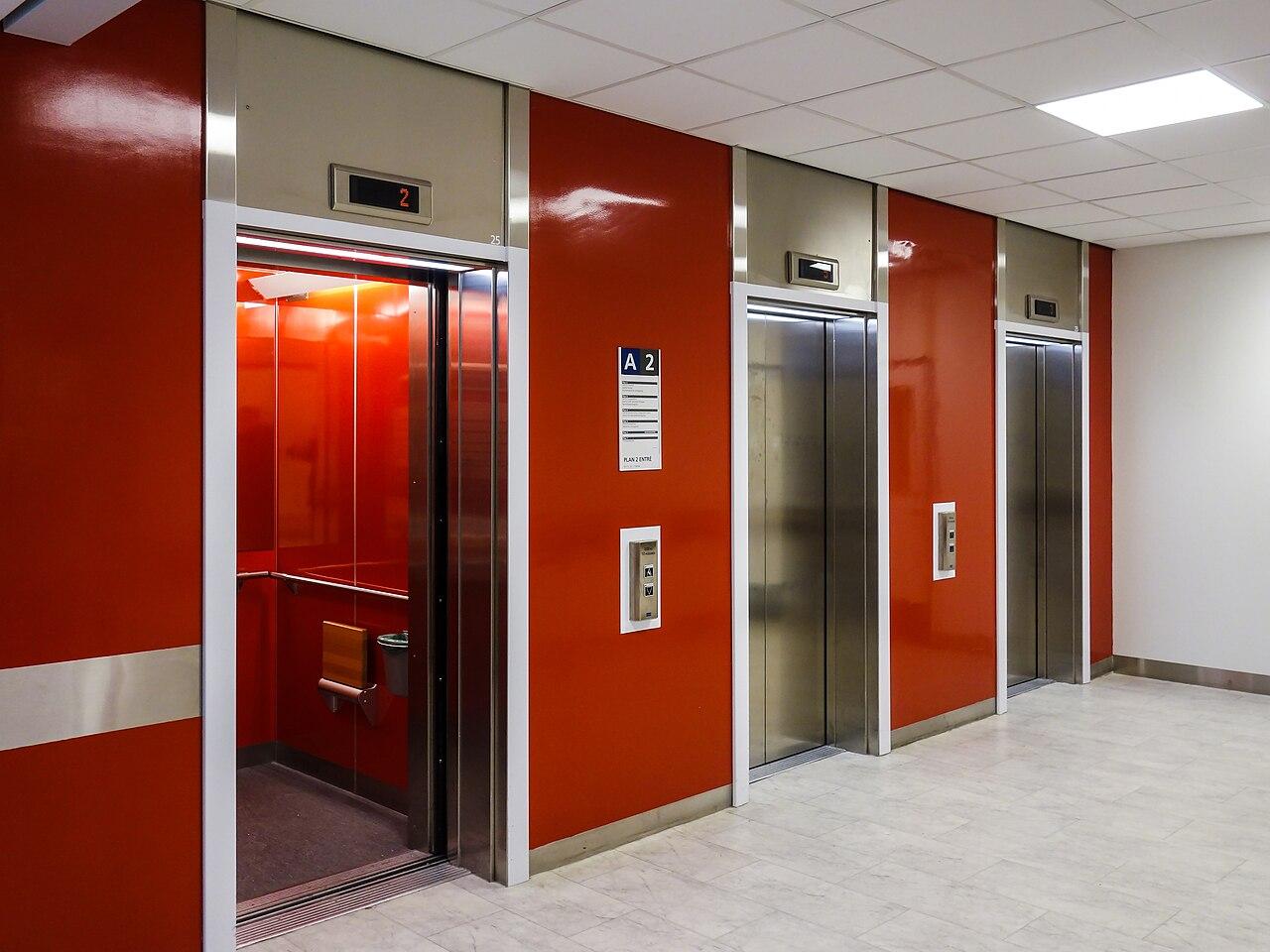
Lift sizing is a traffic problem, not a simple floor-area calculation. The right car size and speed depend on how many people use the building, when they travel and how long they are willing to wait.
01
Capacity is more than the number on the door
Rated load, car floor area and door width together determine how many people can board comfortably. A car rated for 8 people may feel crowded at 8 if the door is narrow or the layout is awkward.
For apartments, consider the number of flats, residents per flat and peak-hour patterns. For offices, the peak is usually the morning up-peak and the evening down-peak. For hotels, luggage and service traffic matter.
02
Speed should follow height and stops
A faster lift does not always shorten the journey. If the building has few stops, acceleration and door time dominate. If it has many stops, a higher speed can help, but the controller and door system must keep up.
A traffic study can estimate handling capacity and average waiting time. For a small residential building, experience-based sizing may be enough; for a large office or hospital, a proper study is worth the effort.
03
Door width and car shape
A wide door speeds boarding and makes stretcher or luggage access easier. The car shape should suit the door position: a deep car may be better for stretchers, while a wider car can feel more comfortable for groups.
Check the landing approach and the space in front of the lift. A large car behind a narrow corridor does not improve traffic flow.
04
Plan for the building's future
A building may change use, add floors or increase occupancy. Specify a lift that can handle a reasonable future load without over-sizing the shaft today. The structural and electrical provisions should also leave room for modernization.
Ask for the traffic assumptions behind the recommendation. A clear calculation is easier to review than a car size chosen by habit.
In short
Key takeaways
- Size for peak traffic, not average occupancy.
- Door width and car shape matter as much as rated load.
- Speed should match height and number of stops.
- Ask for the traffic assumptions in writing.
Further reading
Sources and standards
- Elevator, WikipediaOverview of traction, hydraulic, machine-room-less and safety systems.
- National Building Code of India 2016, Part 8 Section 5AIndian planning and installation requirements for lifts and escalators.
- BIS lift standards listing (IS 14665, IS 14671, IS 15259, IS 15785)Indian Standards for electric traction, hydraulic, home and machine-room-less lifts.
Related pages