Technology · 9 min read
Traction vs hydraulic vs MRL: which lift drive is right?
A practical comparison of the three drive systems most owners are asked to choose between, without the sales language.
Updated November 2026 · Justin Elevators engineering desk
Most lift projects come down to a choice between traction, hydraulic and machine-room-less systems. The right answer depends on height, usage, space and the building's structure, not on which technology sounds the most modern.
01
Traction: the default for taller buildings
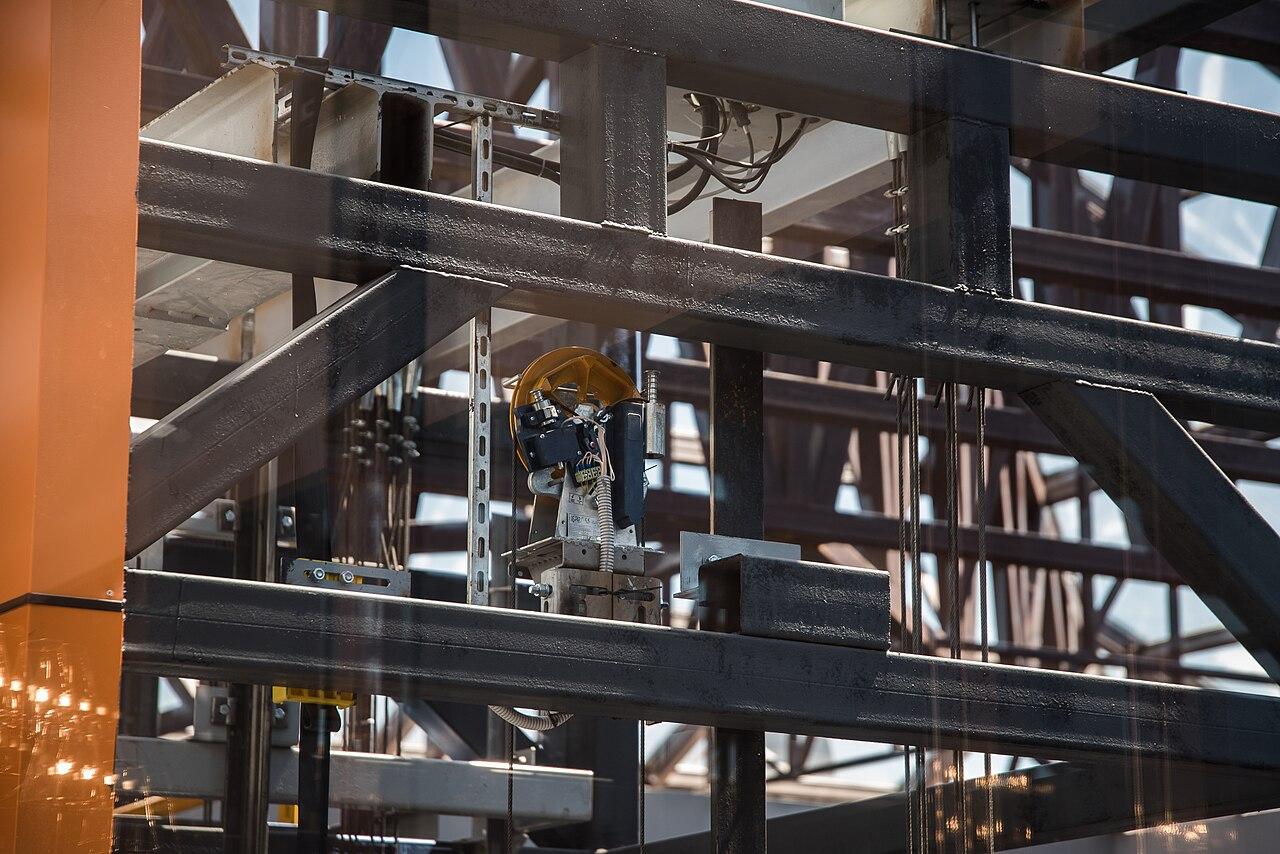
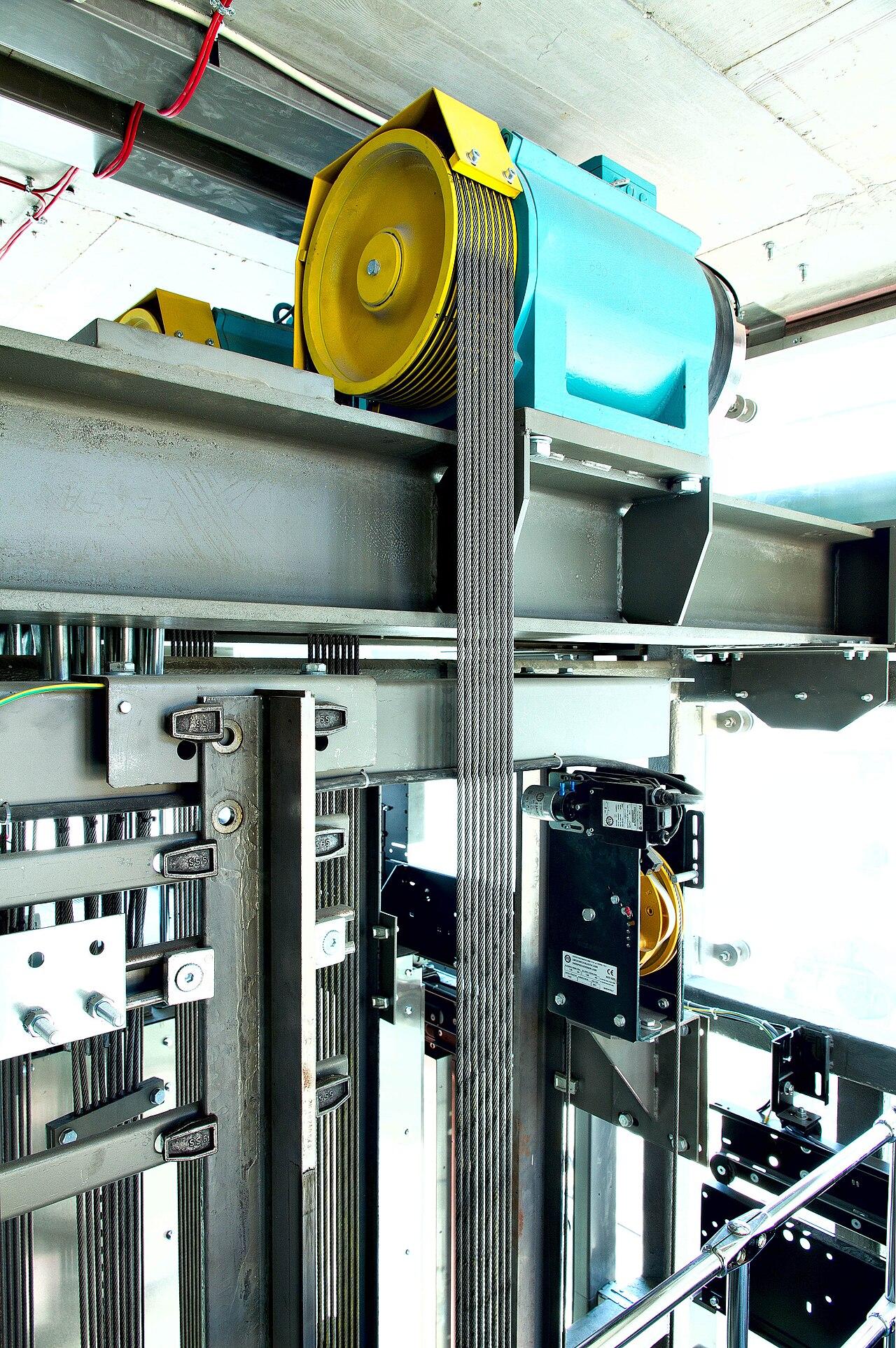
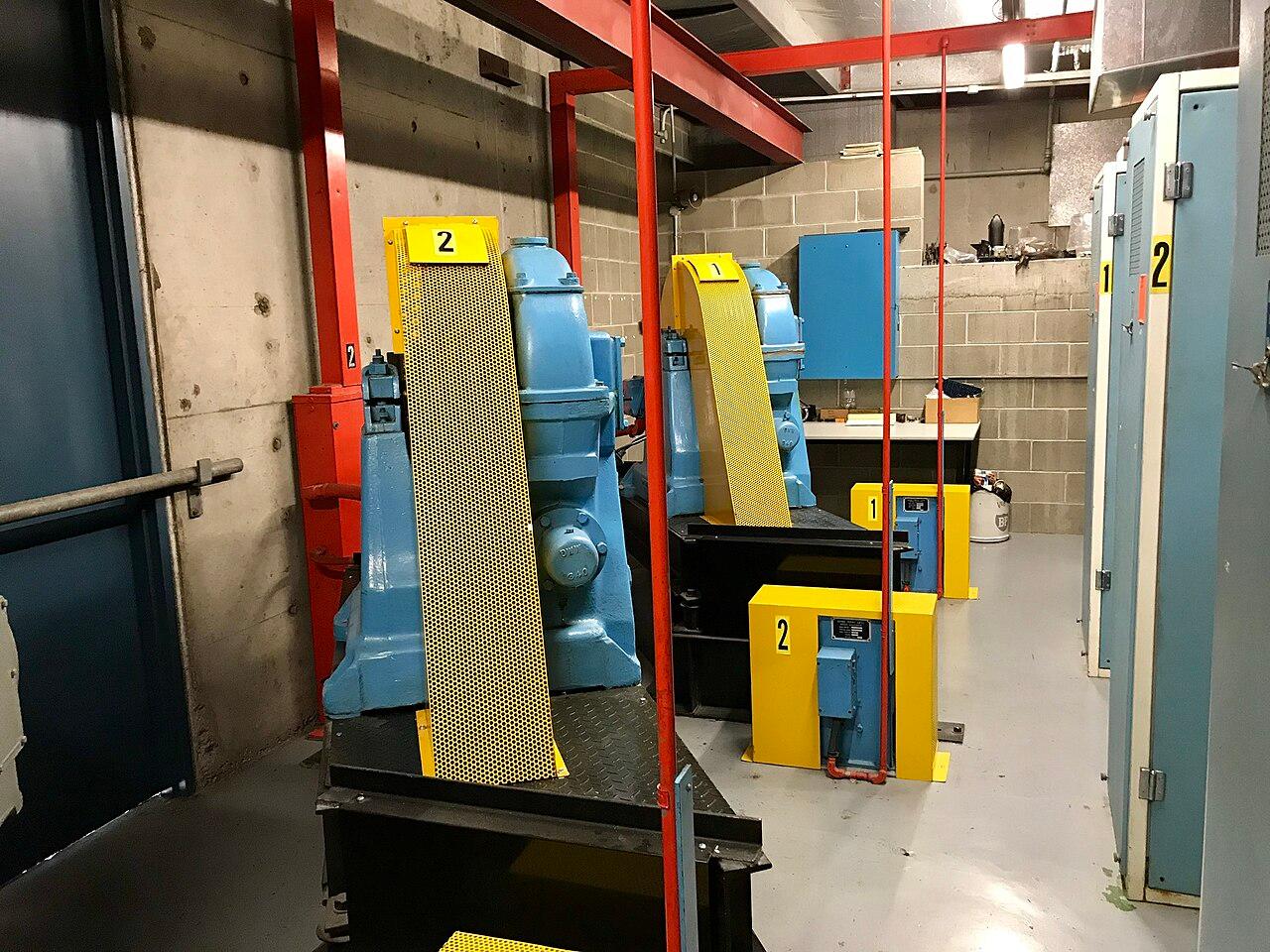
A traction lift hangs the car and counterweight on ropes or belts over a drive sheave. The counterweight reduces the motor's work, which makes traction efficient in regular use and well suited to mid- and high-rise buildings.
The trade-off is space and structure. A conventional traction lift usually needs a machine room, and the counterweight and rope layout need room in the shaft. Gearless and MRL versions reduce the machine footprint but still need a properly designed hoistway.
02
Hydraulic: simple power for low-rise loads
Hydraulic lifts push the car upward with a piston and cylinder. They are simple, robust and good at moving heavy loads over short distances. They are common in villas, low-rise buildings, goods lifts and car stackers.
Travel is limited by cylinder length, speed is lower and the system needs oil maintenance. A rupture valve or burst-disc protection is essential. Hydraulic is often a sensible choice when the building is low-rise and the load is heavy.
03
MRL: space-saving traction
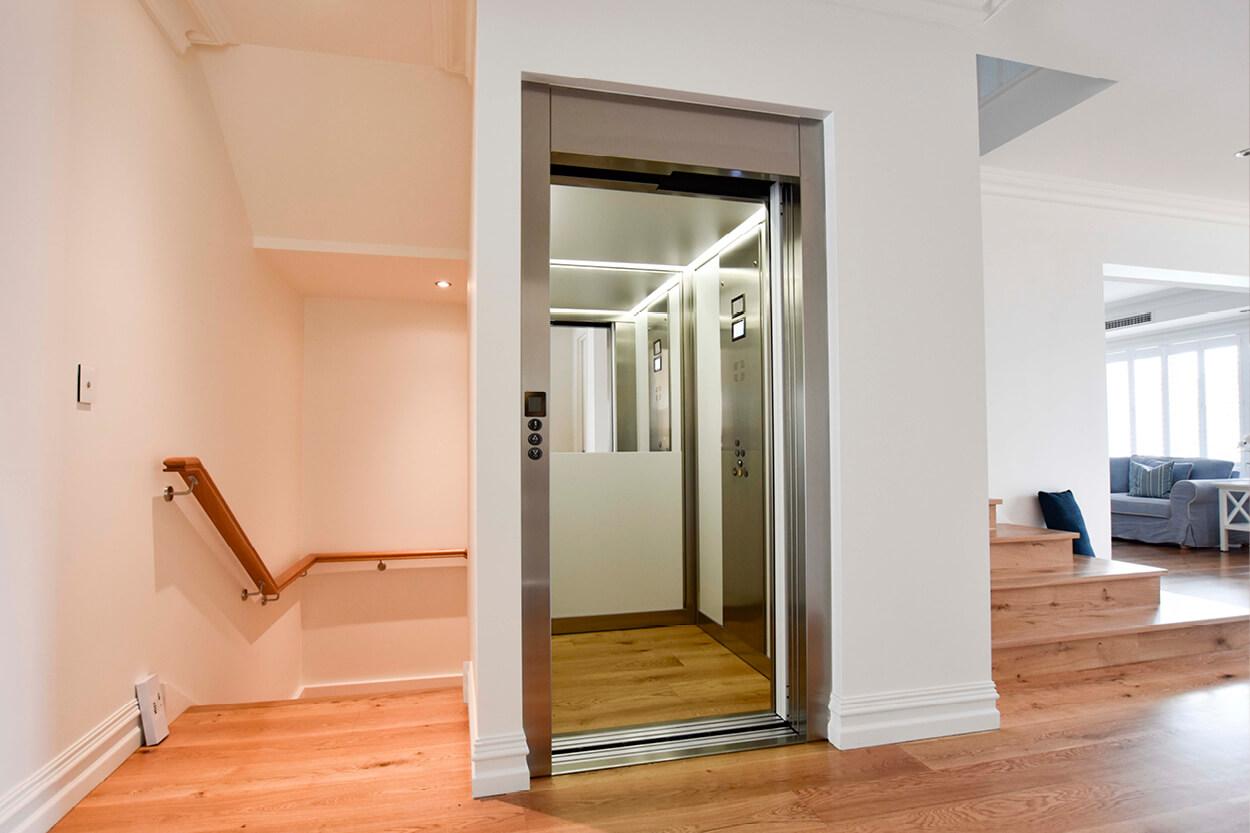
A machine-room-less lift puts a compact gearless machine inside the hoistway. It saves the machine-room footprint and is common in low- and mid-rise apartments, offices and hotels.
MRL is not a separate drive technology; it is a machine location. Most MRL lifts are gearless traction, using ropes or coated belts. The critical questions are service access, headroom, ventilation and local maintenance support.
04
A simple decision framework
For a tall building with regular traffic, start with gearless traction and compare MR and MRL layouts. For a low-rise home or heavy goods application, compare hydraulic and traction on total cost, noise and maintenance.
Do not choose a drive from a brochure alone. Ask for a site-specific comparison covering pit, headroom, machine location, speed, energy, noise and service access. The best system is the one that fits the building and can be maintained well.
- Height and travel: hydraulic is limited, traction scales upward.
- Usage: traction is more efficient in frequent, taller operation.
- Space: MRL saves the machine room but needs hoistway access.
- Load: hydraulic is strong in low-rise heavy-load duties.
- Service: choose a system your local provider can support.
In short
Key takeaways
- Traction is the default for mid- and high-rise buildings.
- Hydraulic suits low-rise, heavy-load and simple layouts.
- MRL saves space but is still a traction system at heart.
- Compare total cost, noise, energy and service access.
Further reading
Sources and standards
- Elevator, WikipediaOverview of traction, hydraulic, machine-room-less and safety systems.
- National Building Code of India 2016, Part 8 Section 5AIndian planning and installation requirements for lifts and escalators.
- BIS lift standards listing (IS 14665, IS 14671, IS 15259, IS 15785)Indian Standards for electric traction, hydraulic, home and machine-room-less lifts.
Related pages