
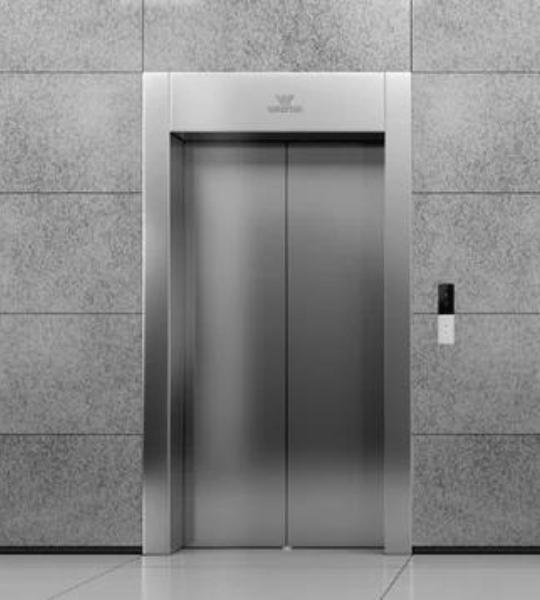
Passenger Elevator
These are the most common types of lifts used in buildings. Passenger lifts come in all sizes as per the weight and size required, ranging between 2 to 20 people.
Read the guideElevator buying guide
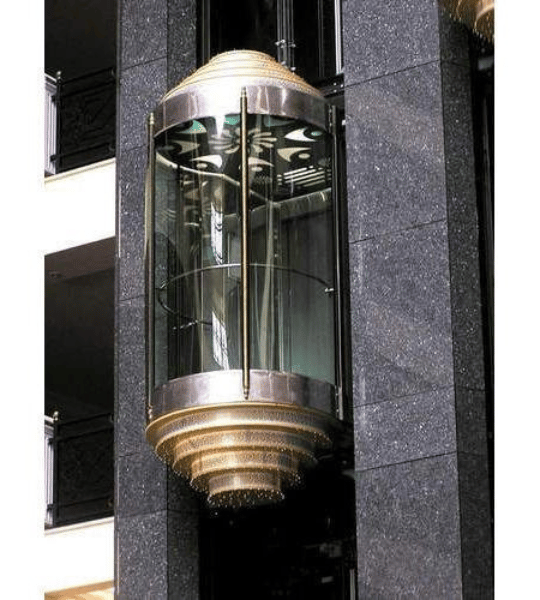
Capsule elevators, also known as glass lifts or panoramic elevators, are specialized passenger elevators designed with extensive glass panels that provide stunning panoramic views. These architectural showpieces are installed on exterior building facades, in grand atriums, or in lobby areas where they serve as dramatic design elements. Called the 'Ornaments of a Building,' capsule elevators combine engineering excellence with aesthetic sophistication.
7 min read · Updated November 2026 · Justin Elevators engineering desk
Typical capacity
8–15 persons
Typical speed
0.5–1.5 m/s
Drive options
Traction or hydraulic
Typical stops
2–12
Quick verdict
Hotels, showrooms, malls, lobbies and signature residential projects
Choose it if
Think twice if
01
A capsule lift is a passenger lift with a glass or mostly glass car, often installed on a building facade or in a lobby. The machinery is the same family as a conventional traction or hydraulic lift; the difference is the car, the shaft enclosure and the architectural integration.
The glass makes the lift visible, so the shaft structure, guide rails, ropes and door mechanism become part of the design. That demands better coordination between the architect, structural engineer and lift supplier.
02
Use laminated safety glass in the car and shaft where required, and confirm the structural design for wind, seismic and impact loads. An outdoor capsule lift needs weather sealing, drainage, ventilation and a cleaning strategy for the glass.
Solar gain is a common mistake. A glass car in direct afternoon sun can become uncomfortable and increase cooling load. Consider low-e or tinted glass, shading, ventilation and a car fan or air-conditioning system.
03
A capsule lift is a showpiece, but it still has to be a reliable lift. Door opening, levelling, acceleration and noise are noticed more because passengers are looking out and often riding for the experience. Specify a smooth VVVF drive and a well-tuned door system.
Lighting inside the car should be comfortable at night and should not create reflections on the glass. Handrails, a mirror or a destination display can help, but keep the interior uncluttered so the view remains the focus.
04
Glass shows dust, fingerprints and water spots. Include a cleaning routine in the building's facility plan and confirm who is responsible for external glass. The lift service should cover door tracks, ropes or hydraulic system, safety gear and the controller.
If the lift is outdoors, inspect seals and drainage before the monsoon and check for corrosion on exposed fixings. A capsule lift is an architectural asset; it needs an owner who will maintain both the machinery and the finish.
Balance
Advantages
Trade-offs
Before you order
Questions
Yes, external capsule lifts are common, but they need weather sealing, drainage, corrosion protection, solar control and a safe cleaning plan. The shaft structure must be designed for wind and other loads.
Yes when it uses the correct laminated safety glass, structural fixings and a properly designed shaft. Safety glass and the lift's mechanical safety systems are separate but equally important.
It usually costs more than a standard passenger lift because of the glass car, structural enclosure, finishes and detailing. The final difference depends on size, drive, glass specification and whether the shaft is external.
Internal glass is cleaned as part of normal housekeeping. External glass needs a planned access method, such as reach-and-wash equipment, rope access or a safe platform. Agree this before installation.
Further reading
These references are for general education. Every installation must be designed for the actual building and confirmed against the applicable local lift rules and Indian Standards.
Engineering
01
Multi-layer safety glass providing panoramic views while meeting all safety requirements. Typically clear or tinted options available.
02
Structural metal framework designed to support glass panels and maintain the transparent aesthetic.
03
Architectural lighting system that highlights the glass interior and creates dramatic visual effects.
04
Automatic glass doors that match the transparent theme of the capsule car.
05
Bottom-lit marble floors, designer ceilings, and premium handrails that complete the luxury experience.
06
Drive system configured for the specific building requirements and capsule configuration.
07
Enhanced vibration control to prevent glass panel movement and visual distortion.
08
Enhanced HVAC system to manage solar heat gain through glass panels.
Use cases
Shopping malls and retail centers, boosts sales through atrium visibility
Luxury hotels and resorts, impressive guest experience
Corporate headquarters, prestigious architectural statement
Exterior building facades, dramatic architectural feature
Convention centers and exhibition halls
Luxury residential developments
Museums and cultural institutions
Any building where design impact matters
Safety
Options
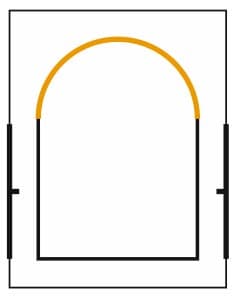
Semi-circular Type
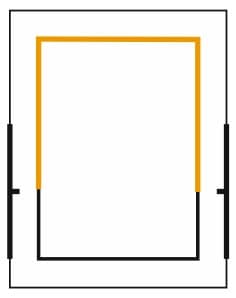
Square Type
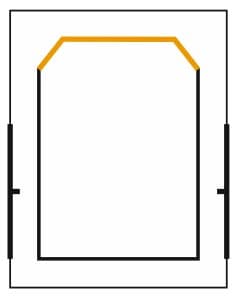
Octagonal Type
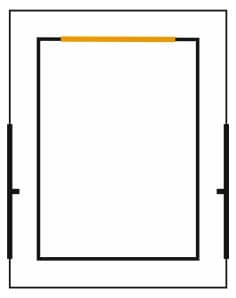
Future Prospects
Related elevators
These are the most common types of lifts used in buildings. Passenger lifts come in all sizes as per the weight and size required, ranging between 2 to 20 people.
Read the guide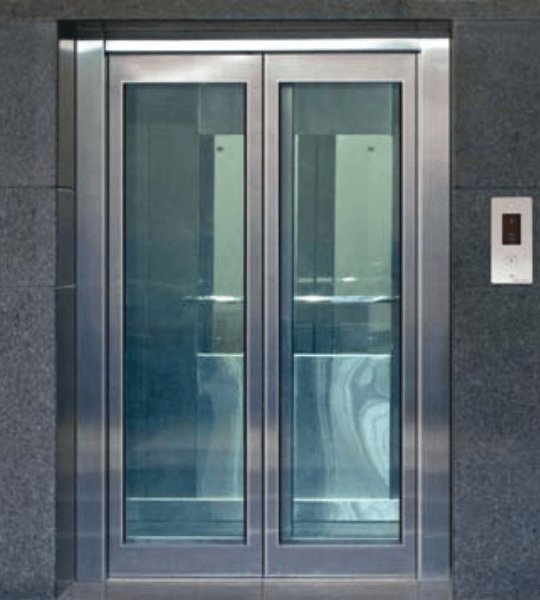
JUSTIN ELEVATORS has been engineered with full automatic doors. Fabricated with the most advanced lift controls, appreciated for high speed, smooth travel, and perfect leveling.
Read the guide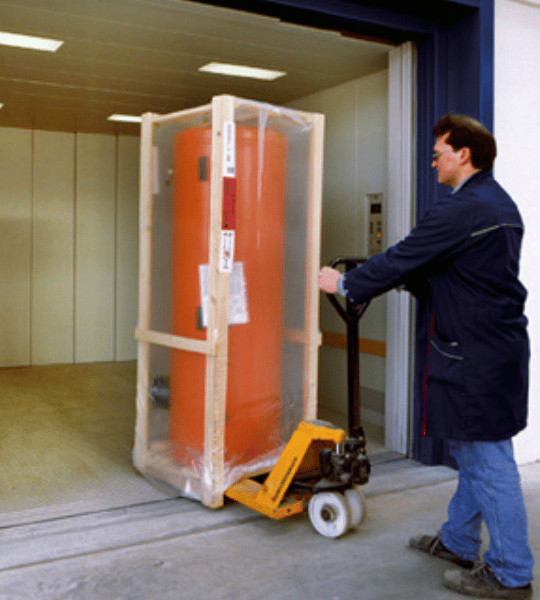
Justin elevators come with a powerful hoisting machine and ensure durability to cope with rough treatment while having a smooth ride to handle fragile loads.
Read the guideNext step
Send us your building details and we will advise on capacity, shaft dimensions, drive system and finishes, with no obligation.