
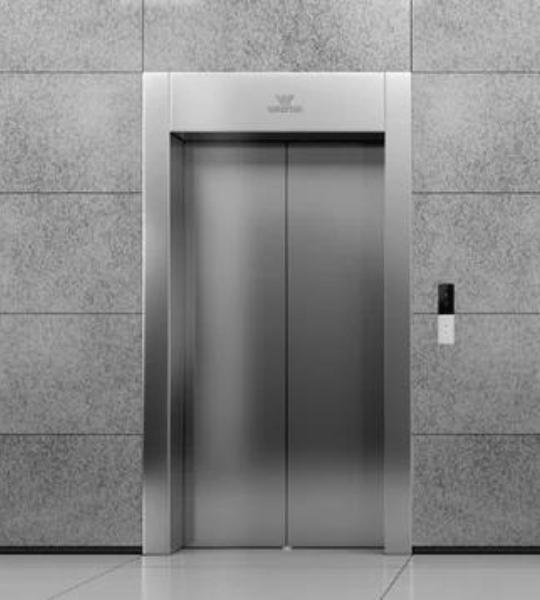
Passenger Elevator
These are the most common types of lifts used in buildings. Passenger lifts come in all sizes as per the weight and size required, ranging between 2 to 20 people.
Read the guideElevator buying guide
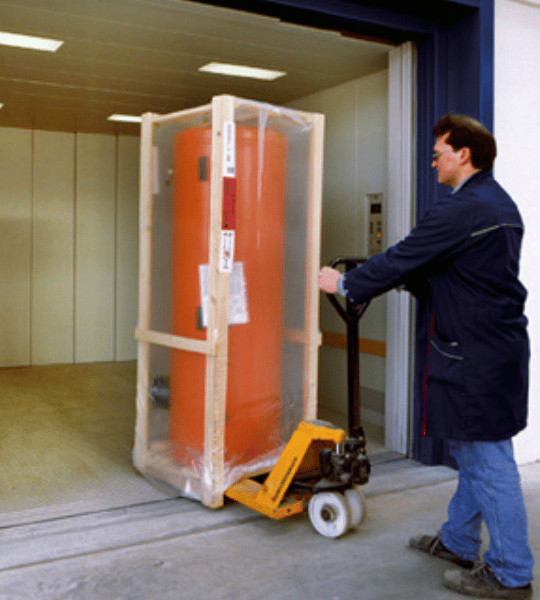
Goods elevators (also called freight elevators) are heavy-duty vertical transportation systems designed specifically for moving goods, materials, and equipment. Unlike passenger elevators, goods elevators prioritize load capacity, durability, and practical functionality over aesthetic finishes. They feature reinforced construction, powerful hoisting machines, and specialized door systems to withstand the rigors of daily freight handling.
8 min read · Updated November 2026 · Justin Elevators engineering desk
Typical capacity
500–5,000 kg
Typical speed
0.25–1.0 m/s
Drive options
Traction or hydraulic
Typical stops
2–10
Quick verdict
Warehouses, factories, commercial kitchens and retail back-of-house
Choose it if
Think twice if
01
A goods lift, also called a freight lift, is built around the load rather than passenger comfort. Cars have heavier floors, protective wall panels, reinforced frames and wider doors. The drive, guide rails and safety gear are selected for the actual load and duty cycle.
A goods lift is not automatically a passenger lift. Unless it is specifically designed, tested and certified for passenger use, it should be operated by trained personnel and kept for goods movement.
02
List the heaviest item, the heaviest trolley or pallet, and the number of trips per hour. Then add a sensible margin for uneven loading and future use. A car that is too small becomes a bottleneck; a car that is oversized wastes shaft space and energy.
The building structure must support the loaded car, guide rails and machine. Floor loading at the landing, the pit and the machine support all need checking. For heavy goods lifts, a structural engineer should review the loads before the equipment is ordered.
03
Wide doors and a clear approach make loading faster and safer. Manual doors may suit low-use sites, while power-operated doors improve speed and reduce operator fatigue. Protective car panels, bump rails and a heavy-duty floor finish extend the life of the lift.
For kitchens and food service, stainless steel and easy-clean surfaces matter. For warehouses, impact protection and a robust door track are more important. The right specification follows the actual handling method.
04
Goods lifts need door interlocks, overload detection, slack-rope or rupture-valve protection, emergency stop controls and clear warning signage. If the car can be loaded unevenly, the guide shoes and car frame must be able to handle the resulting forces.
Service should include door tracks, rollers, ropes or hydraulic hoses, brake condition and the load-weighing system. Keep the pit clean and confirm that the landing gates and locks are not being bypassed in daily use.
Balance
Advantages
Trade-offs
Before you order
Questions
Only if it is specifically designed, tested and certified for passenger transport. A goods-only lift should not be used for passengers, even for short trips.
Start with the heaviest loaded pallet or trolley and the handling method. A 1,000–2,000 kg lift is common, but heavy industrial loads can require 3,000–5,000 kg or more.
Hydraulic drives suit low-rise, heavy loads and simple machine-room layouts. Traction drives are better for higher travel and frequent use. The choice depends on height, duty cycle and available space.
They normally need a dedicated hoistway with landing doors or gates. A separate shaft keeps goods traffic away from passenger lifts and makes safety and access control easier.
Further reading
These references are for general education. Every installation must be designed for the actual building and confirmed against the applicable local lift rules and Indian Standards.
Engineering
01
Heavy-duty structural steel frame designed to support loads from 500 kg to 5,000+ kg with floor reinforcement.
02
Slip-resistant steel floor plating that withstands heavy wheel loads from pallet jacks and hand trucks.
03
Heavy-duty traction or hydraulic machine sized for the rated load capacity with safety margin.
04
Manual or automatic doors designed for heavy-duty use. Options include vertical bi-parting, horizontal sliding, or hinged types.
05
Electronic load sensor that prevents operation if the car is overloaded beyond rated capacity.
06
Microprocessor controller with specialized logic for freight operation, including continuous loading and dual-entry configurations.
07
Heavy-duty rail system with reinforced brackets to handle the lateral forces from off-center loading.
08
Complete safety suite including overspeed governor, safety gear, and buffers rated for the full load capacity.
Use cases
Warehouses and distribution centers
Factories and manufacturing facilities
Hotels, for laundry, food, and supply movement
Hospitals, for supplies, equipment, and linen
Retail stores and department stores
Restaurants and commercial kitchens
Libraries and archival storage facilities
Any building requiring heavy material movement between floors
Safety
Related elevators
These are the most common types of lifts used in buildings. Passenger lifts come in all sizes as per the weight and size required, ranging between 2 to 20 people.
Read the guide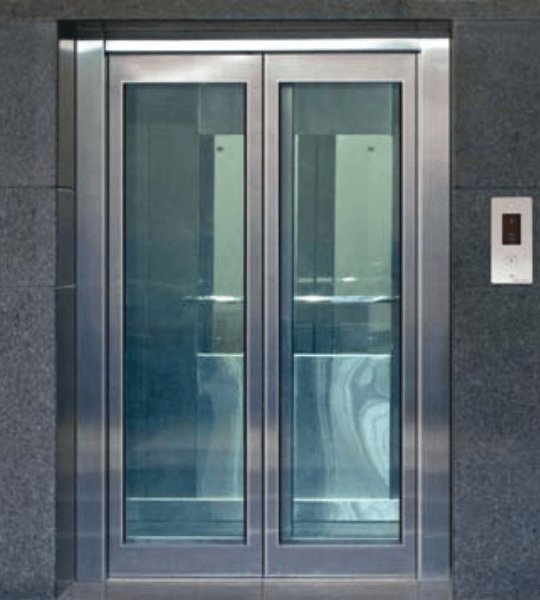
JUSTIN ELEVATORS has been engineered with full automatic doors. Fabricated with the most advanced lift controls, appreciated for high speed, smooth travel, and perfect leveling.
Read the guide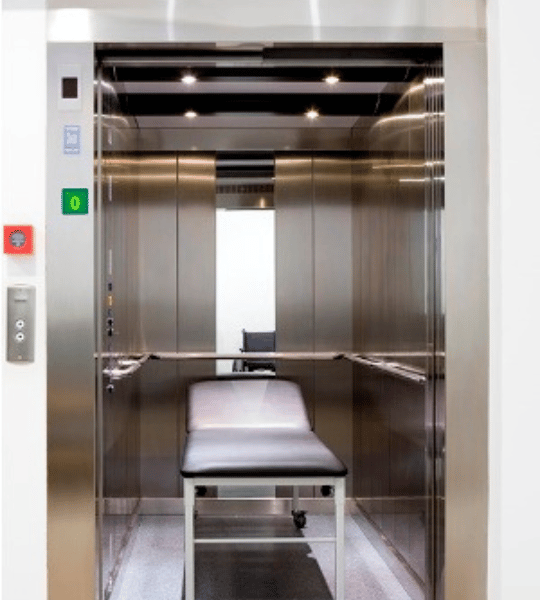
Stretcher or Bed elevators are solutions for hospitals and are renowned for quality and robust performance. A wide range of car dimensions is available.
Read the guideNext step
Send us your building details and we will advise on capacity, shaft dimensions, drive system and finishes, with no obligation.