
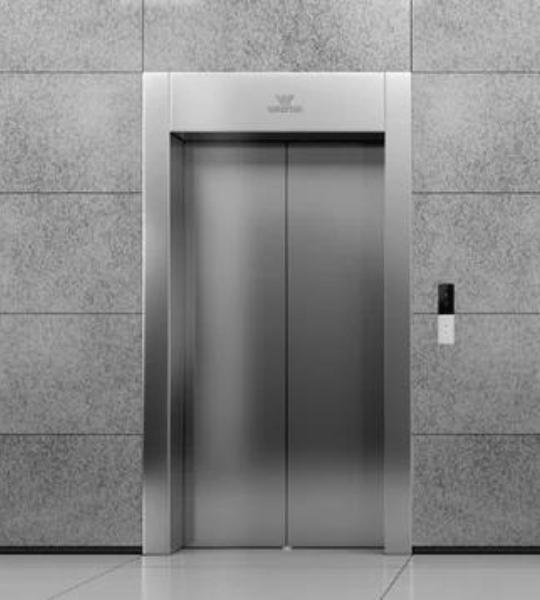
Passenger Elevator
These are the most common types of lifts used in buildings. Passenger lifts come in all sizes as per the weight and size required, ranging between 2 to 20 people.
Read the guideElevator buying guide
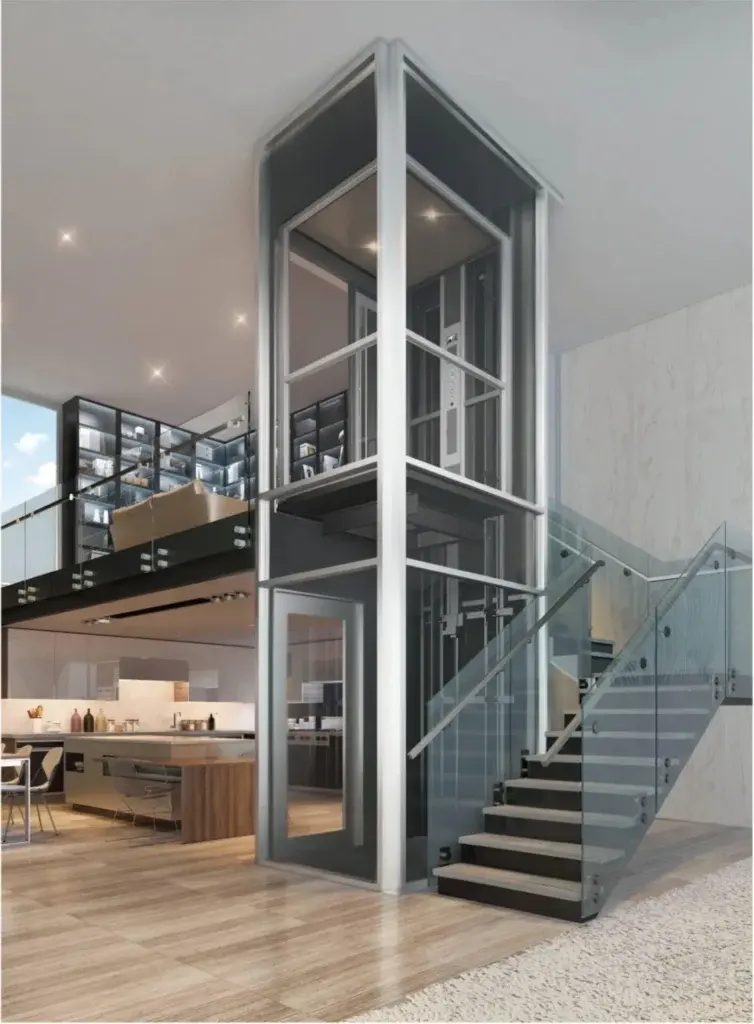
Villa elevators are premium residential elevator systems designed specifically for luxury homes, villas, and high-end residences. These elevators combine cutting-edge gearless technology with exquisite craftsmanship to provide a perfect blend of performance, aesthetics, and comfort. Engineered for residential use, villa elevators offer whisper-quiet operation, space-efficient design, and a wide range of customization options.
7 min read · Updated November 2026 · Justin Elevators engineering desk
Typical capacity
2–6 persons
Typical speed
0.3–0.6 m/s
Drive options
Hydraulic or traction
Typical stops
2–4
Quick verdict
Luxury villas, duplexes and private residences
Choose it if
Think twice if
01
A villa elevator should feel like part of the architecture. The car size, door style, lighting, handrails and finishes should be chosen with the interior designer, not after the civil work is complete.
Glass, stainless steel, wood veneer, stone and powder-coated finishes can all work, but they have different maintenance and weight implications. Confirm the finish samples in the actual lighting of the house.
02
In a private home, noise and vibration are noticed more than in a commercial building. A gearless traction or well-isolated hydraulic system, accurate rail alignment and a solid machine mounting reduce noise.
Door operation should be smooth and quiet. Soft-close or low-noise operators, good floor levelling and a comfortable acceleration profile make the lift feel considered rather than industrial.
03
The lift can sit in a staircase void, a dedicated shaft or an external glass structure. The position affects travel, door access and the amount of civil work. A compact self-supporting shaft can sometimes be installed with less disruption.
Plan the landing thresholds, floor finishes and lighting together. A flush threshold and a well-lit landing make the lift safer and more elegant.
04
A villa lift is a long-term installation, so choose a provider who will still be available for service and spares. Confirm the AMC scope, response time and emergency rescue procedure.
Keep the machine area ventilated and accessible. Test the alarm, emergency lighting and automatic rescue device regularly, especially if the lift is the main access for an older resident.
Balance
Advantages
Trade-offs
Before you order
Questions
The terms overlap. A villa elevator usually implies a more bespoke design, larger finish range and closer integration with the architecture, while a home lift can be a more standard compact product.
Yes. Compact MRL or hydraulic packages can often avoid a separate machine room, but the house still needs suitable headroom, pit and shaft space.
A well-specified and well-installed lift can be very quiet, but the result depends on the drive, machine isolation, rail alignment and door operator. Ask to experience a comparable installation.
The lift itself may take a few weeks, but the full project depends on civil work, finishes, power supply and commissioning. Plan the lift early in the construction programme.
Further reading
These references are for general education. Every installation must be designed for the actual building and confirmed against the applicable local lift rules and Indian Standards.
Engineering
01
Permanent Magnet Synchronous Motor providing ultra-quiet, efficient operation. Saves up to 40% power compared to conventional systems.
02
Direct-mounted sheave that engages the hoist ropes with minimal noise and vibration.
03
Advanced electronic controller providing smooth acceleration and precise speed control.
04
Premium elevator car with customizable interior finishes, lighting, and materials.
05
Center opening or telescopic doors matching the villa's interior design aesthetic.
06
Full-height infrared curtain with multiple crossing beams for passenger safety.
07
Efficient counterweight balancing the car for reduced energy consumption.
08
Compact control system that can be located in a small closet or machine room.
Use cases
Luxury villas and premium residences
Homes with elderly family members requiring accessibility
Homes with family members using wheelchairs
Multi-story vacation homes and holiday villas
New home construction projects
Existing villa modernization and accessibility upgrades
Premium apartment penthouses
Any residential setting where elegance and performance matter
Safety
Related elevators
These are the most common types of lifts used in buildings. Passenger lifts come in all sizes as per the weight and size required, ranging between 2 to 20 people.
Read the guide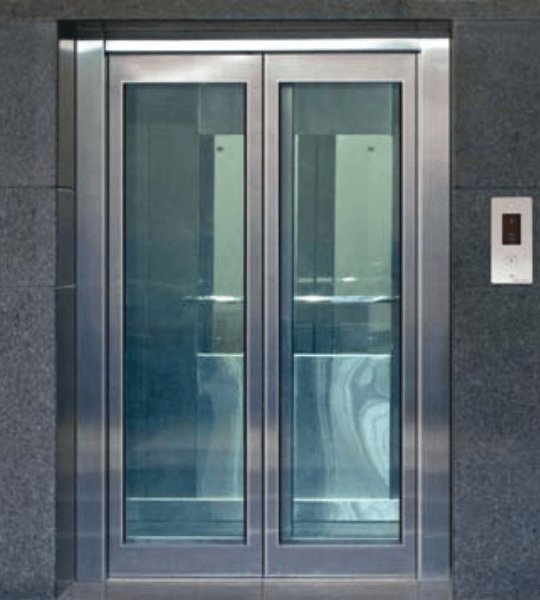
JUSTIN ELEVATORS has been engineered with full automatic doors. Fabricated with the most advanced lift controls, appreciated for high speed, smooth travel, and perfect leveling.
Read the guide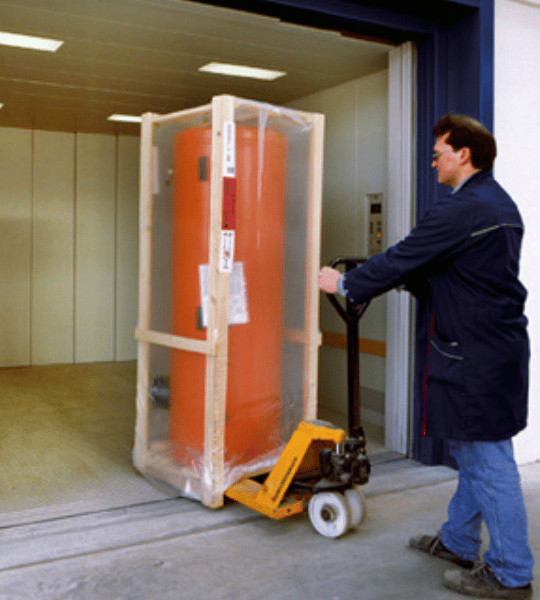
Justin elevators come with a powerful hoisting machine and ensure durability to cope with rough treatment while having a smooth ride to handle fragile loads.
Read the guideNext step
Send us your building details and we will advise on capacity, shaft dimensions, drive system and finishes, with no obligation.