Engineering

The right drive system,
not the default one.

We work with five proven elevator technologies and recommend the one that matches your building height, traffic, space and budget.

5

Drive systems available

0.5–6+

Metres per second

MRL

Machine-room-less options

IS 14665

Design reference standard

Reference photography is representative. Final machine, rope or belt selection is confirmed by a site-specific engineering survey.

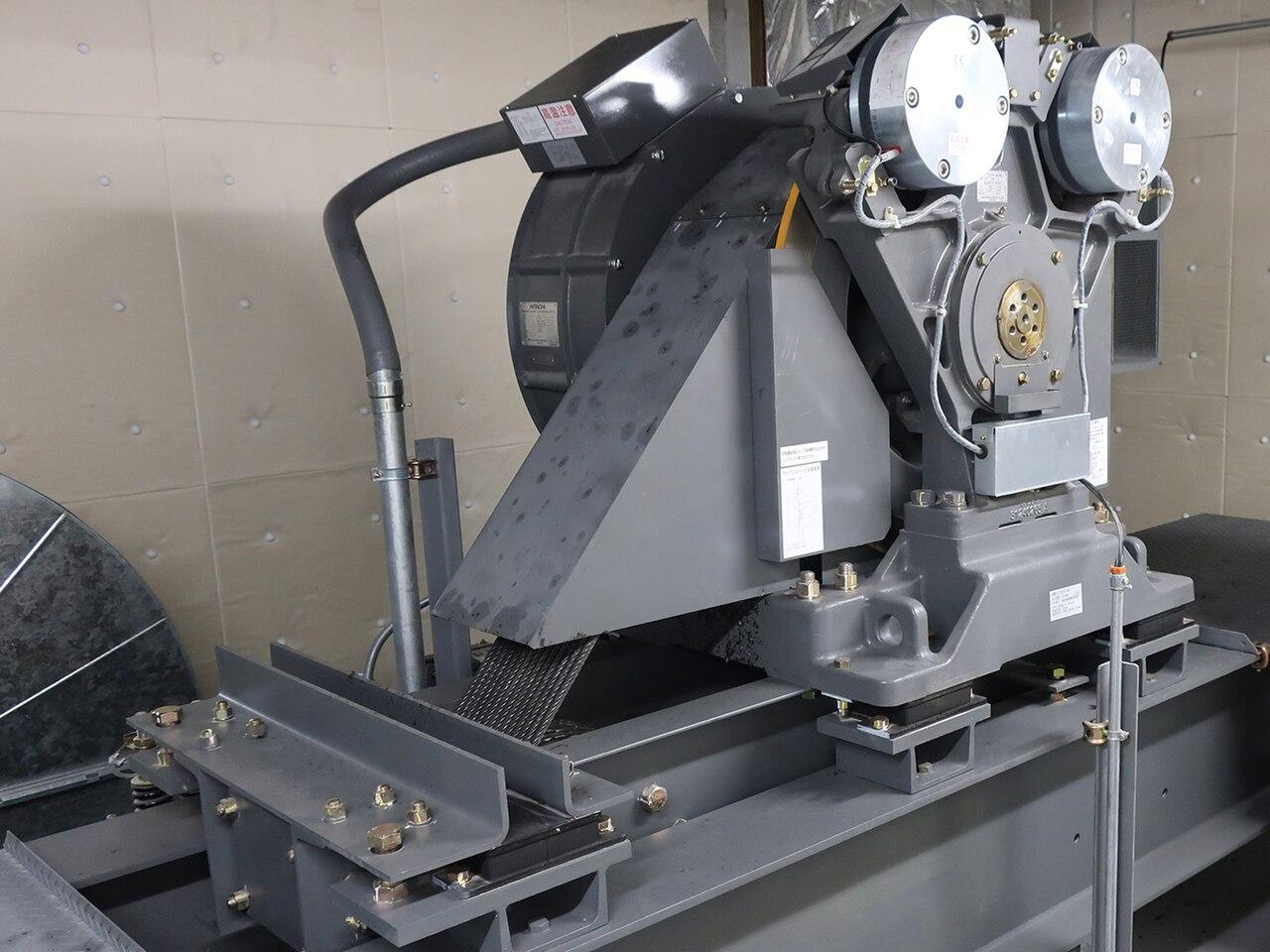
Gearless elevator machine in a modern machine room

Technology range

Five systems. One considered recommendation.

Each technology has a clear sweet spot. We will explain the trade-offs in plain language before you commit.

TRACTION ELEVATOR technology

Elevator system

Traction Elevator

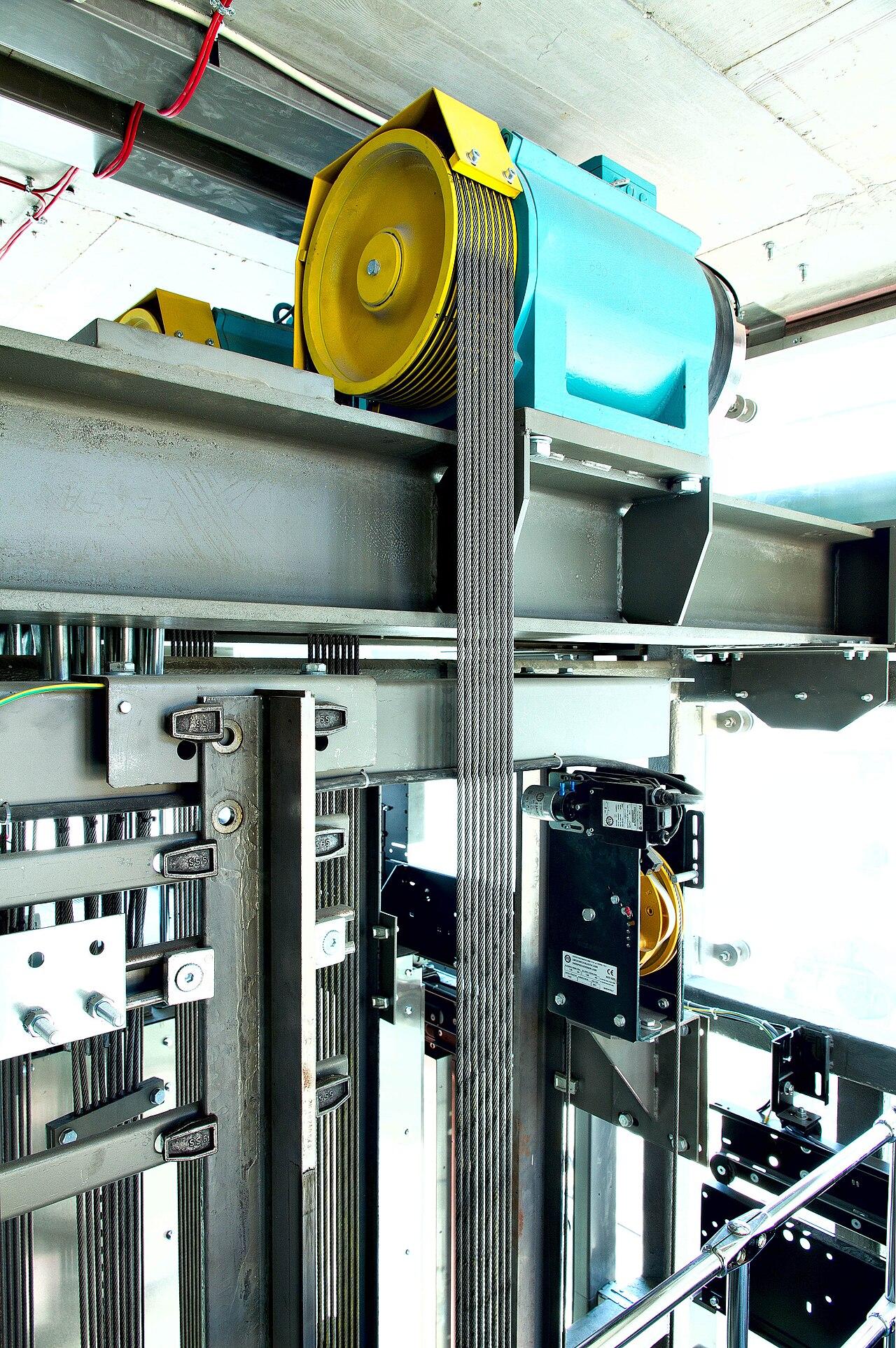
When you need to move a lot of people in a little time, economically, comfortably and reliably, you need a traction elevator. Ideal for high and medium-rise buildings.

  • High speed capability, from 0.5 m/s to over 20 m/s for super high-rise buildings
  • Superior energy efficiency, consuming 30-50% less energy than hydraulic elevators
  • Exceptionally smooth and quiet ride with precise floor leveling
Explore technology
GEARLESS ELEVATOR technology

Innovative Space

Gearless Elevator

It saves energy and space. JUSTIN intelligent machine room-less passenger elevator knows very well of environment protection concept. It saves energy and reduces consumption.

  • Over 33% energy savings compared to geared traction elevators
  • Ultra-quiet operation, no gear noise, ideal for residential and hotel environments
  • Exceptionally smooth ride quality with precise speed control
Explore technology
HYDRAULIC ELEVATOR technology

Elevator system

Hydraulic Elevator

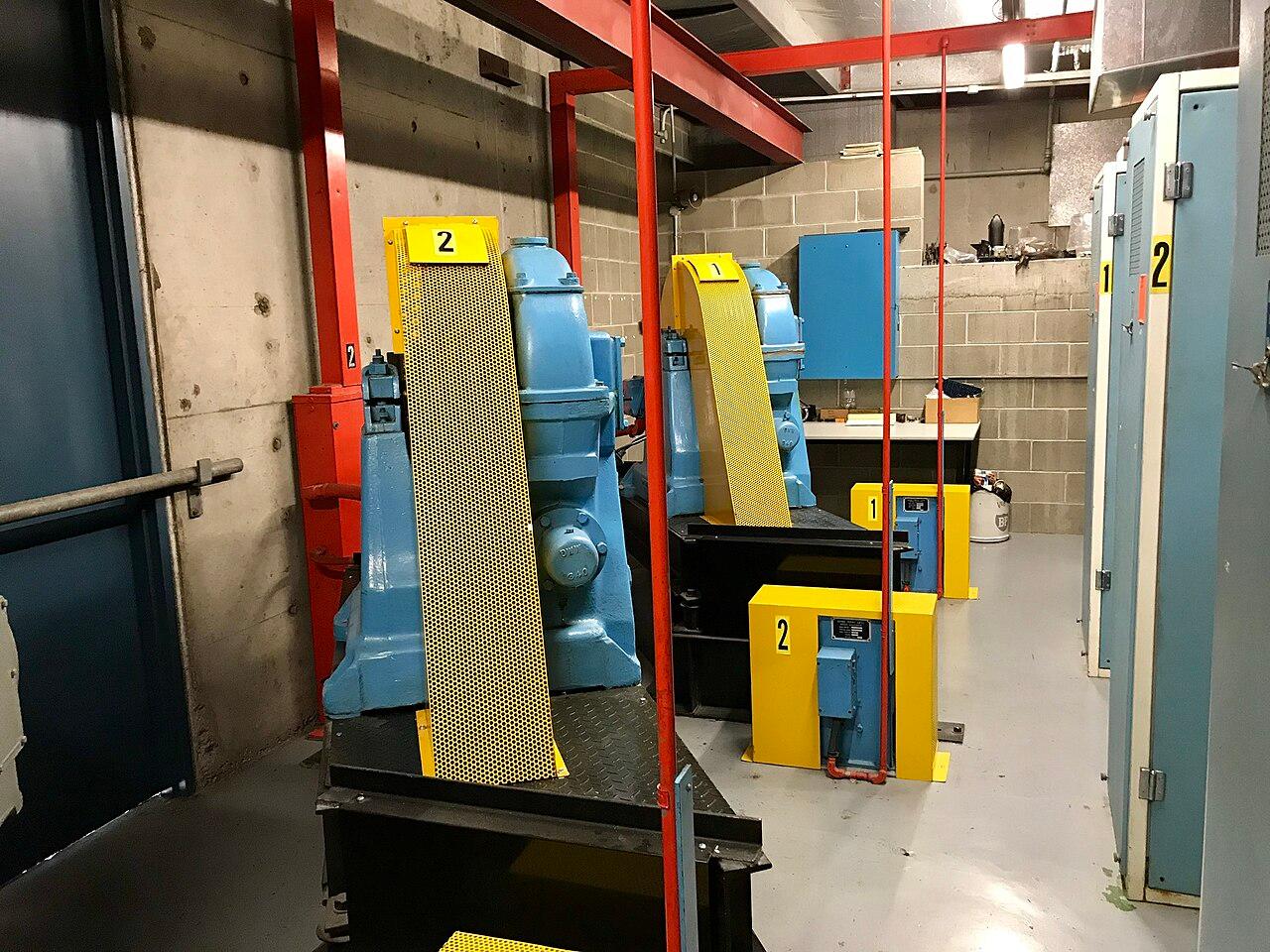
Hydraulic elevators are powered by a piston that travels inside a cylinder. An electric motor is used to pump hydraulic oil into the cylinder to move the piston, thus smoothly lifting the elevator cab.

  • Lower initial cost compared to traction elevators for low-rise applications
  • Simpler mechanical design with fewer moving parts
  • Lower ongoing maintenance costs in many cases
Explore technology
BELT DRIVE ELEVATOR technology

Machine Roomless Elevator

Belt Drive Elevator

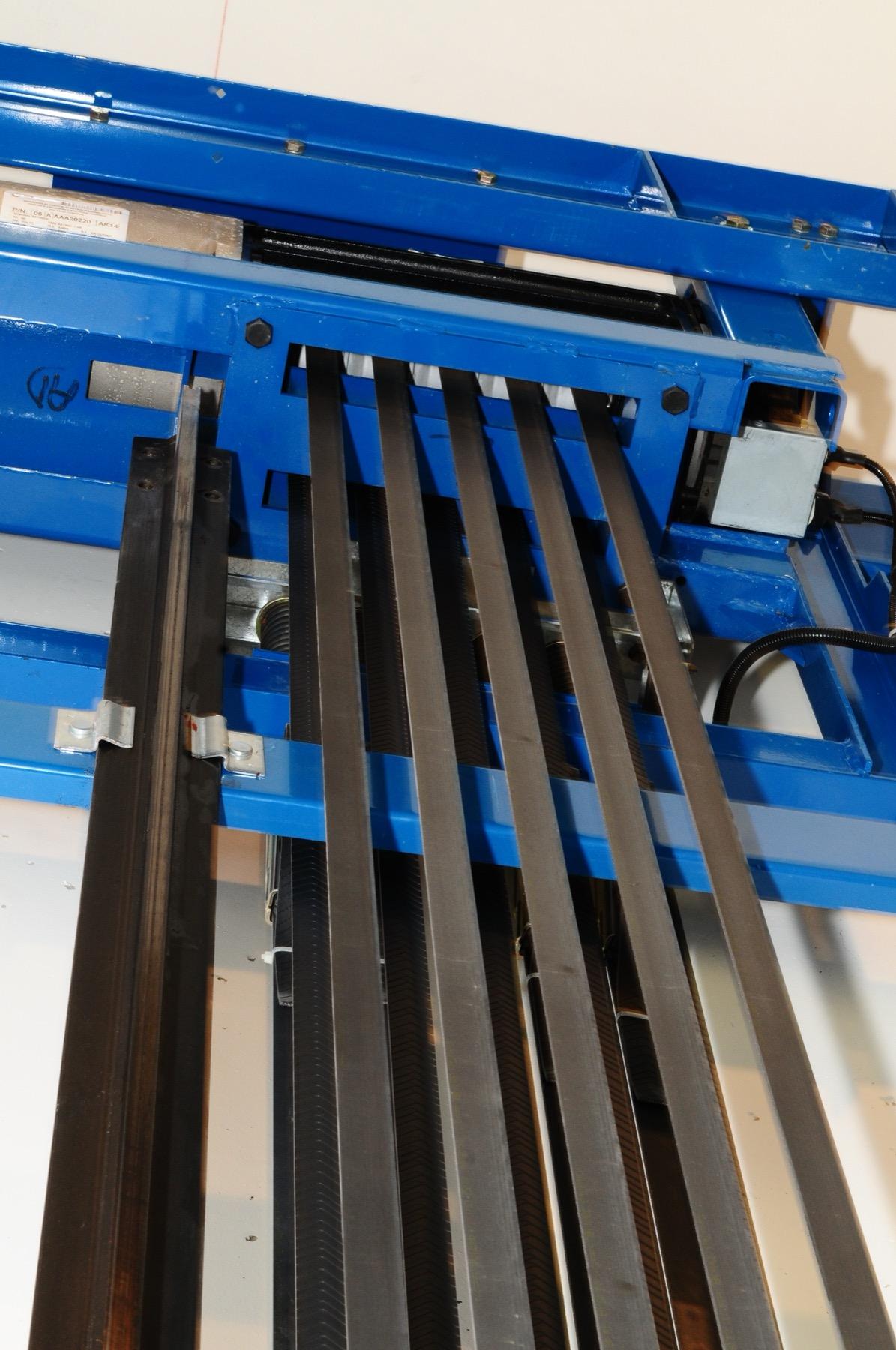
The Belt Drive Elevator delivers superior performance in a space-saving design. Coated steel belts have a significantly smaller bending radius as compared to wire ropes.

  • Space-saving design, machine mounts inside the hoistway, eliminating the machine room
  • Superior energy efficiency, some of the lowest energy consuming elevators available
  • Exceptionally quiet operation, belts are inherently quieter than steel ropes
Explore technology
MRL ELEVATOR technology

Machine Roomless Elevator

Mrl Elevator

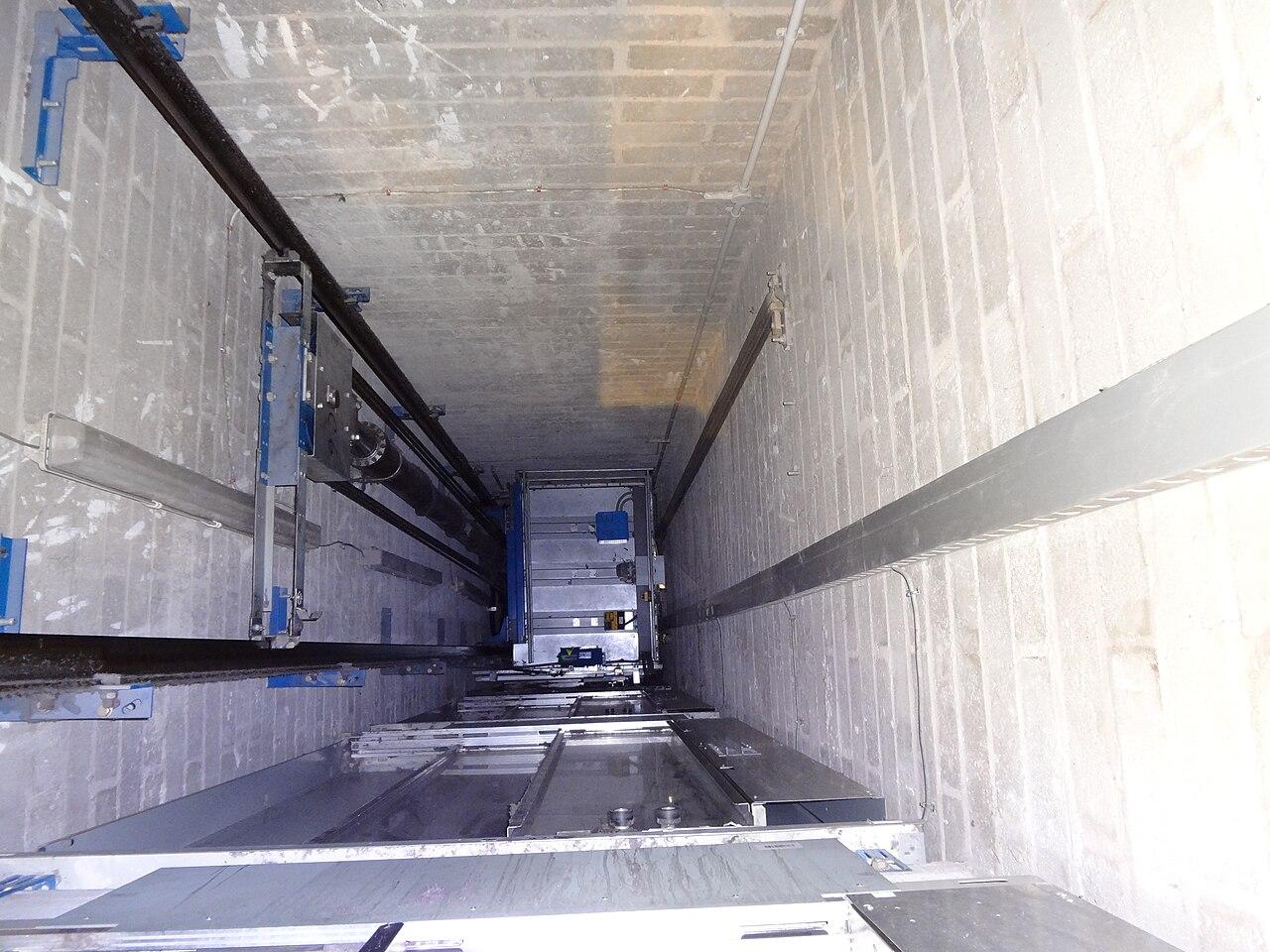
The Machine room-less elevator (MRL) can be used if there is no dedicated machine room space available. Machines and governors are located in the hoistway.

  • Eliminates the machine room, saving 25-40% of total elevator equipment area
  • Reduces building construction costs, no penthouse structure needed
  • Increases rentable floor area by eliminating machine room footprint
Explore technology

How we choose

Four factors decide the system

There is no single "best" elevator technology. The right choice depends on your building and how it will be used.

01

Building height & travel

Hydraulic lifts suit low-rise buildings. Traction and gearless systems are better for taller buildings and higher speeds.

02

Traffic & usage

Apartment complexes, offices and hotels need higher duty cycles and faster door operation than a private home lift.

03

Space & machine room

MRL and belt drive systems eliminate the machine room, freeing valuable floor area in space-constrained projects.

04

Energy & maintenance

Gearless and belt drive machines use less energy and need less maintenance than older geared systems.

Not sure which technology fits your building?

Send us your floor count, usage and approximate shaft dimensions. We will recommend a drive system and capacity with a clear rationale.