Elevator technology

Belt Drive Elevator

Machine Roomless Elevator

Belt-drive lifts replace steel ropes with flat coated steel belts. The smaller sheave makes the machine compact, quiet and well suited to MRL designs.

Typical speed
0.5–2.5 m/s
Typical rise
Low- to mid-rise
Machine room
Machine-room-less
Suspension
Coated steel belts
Best for
Residential, hotels and offices
Noise
Low

7 min read · Updated November 2026

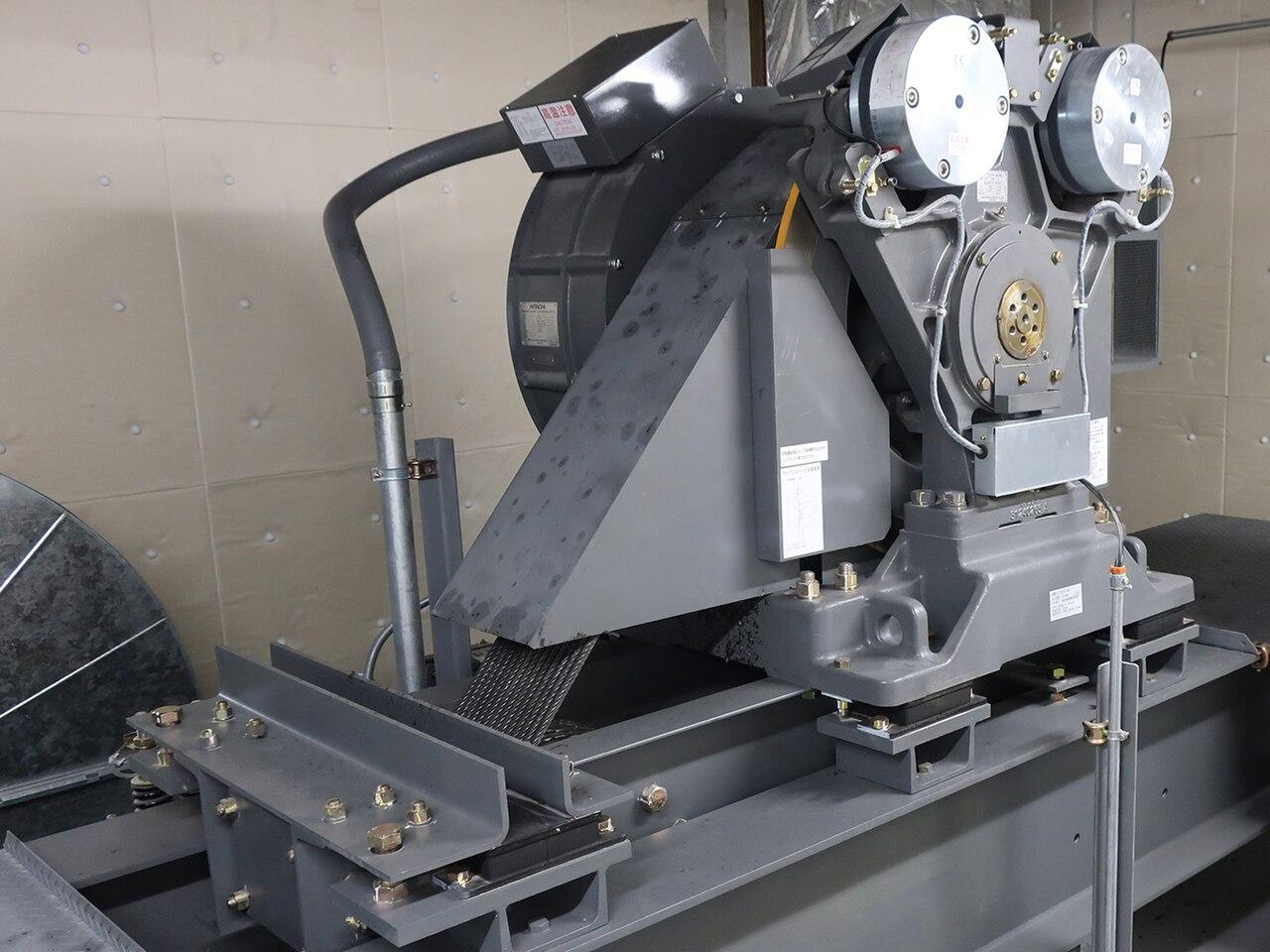
Otis flat polyurethane-coated steel belts on an elevator machine

Reference photography is representative. Final system selection is confirmed after a site survey.

Justin Elevators engineering desk · Bengaluru

How it works

The engineering,
made clear.

Belt drive elevators represent a significant leap forward in elevator technology, replacing traditional steel wire ropes with advanced coated steel belts. This innovation, pioneered by leading elevator manufacturers, enables smaller sheave diameters, more compact machines, and quieter, smoother operation. Belt drive technology is particularly well-suited for machine room-less (MRL) applications where space optimization is critical.

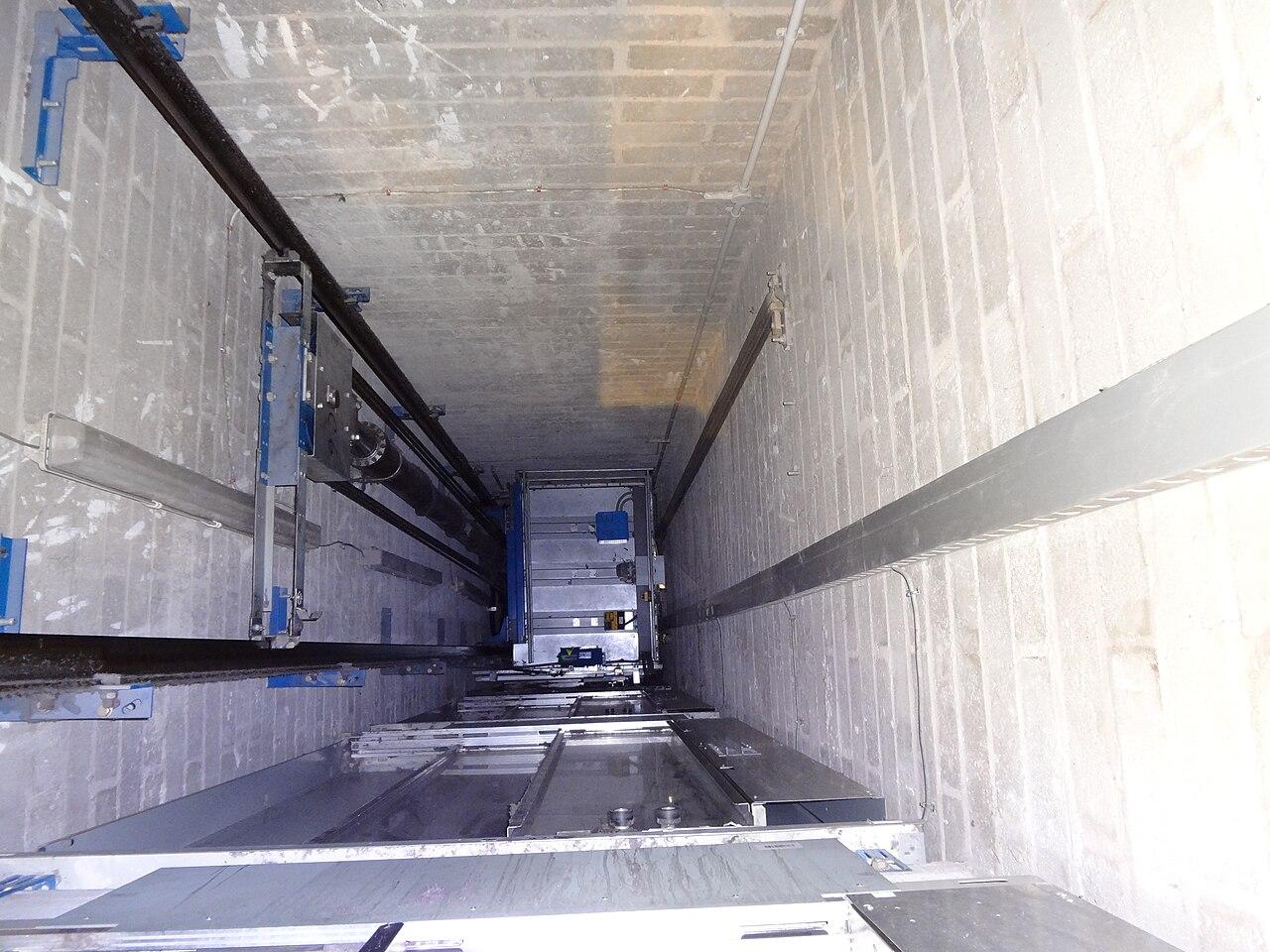
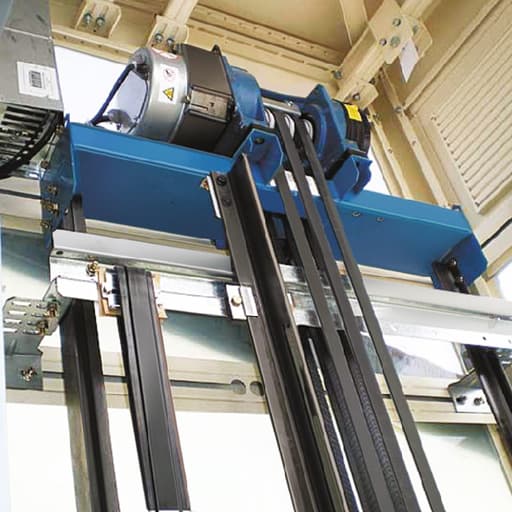
Belt Drive Elevator system diagram

01

How coated steel belts differ from ropes

A coated steel belt is a flat suspension member made of small steel cords encased in a polyurethane jacket. The jacket protects the cords, grips the sheave and helps reduce noise.

Because the cords are small, the belt can bend around a much smaller sheave than a conventional wire rope. That allows a compact, low-torque gearless machine and a smaller hoistway head.
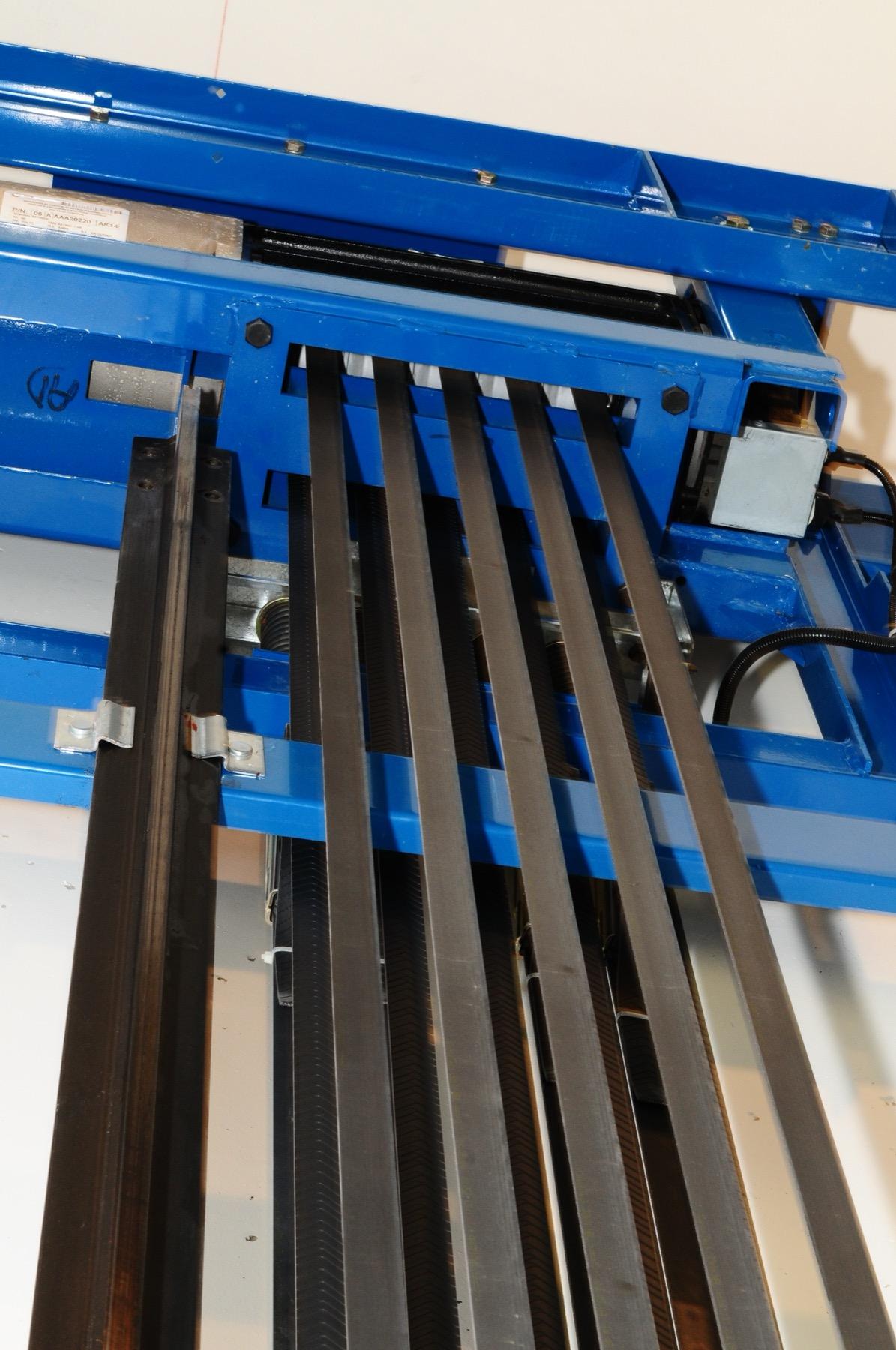
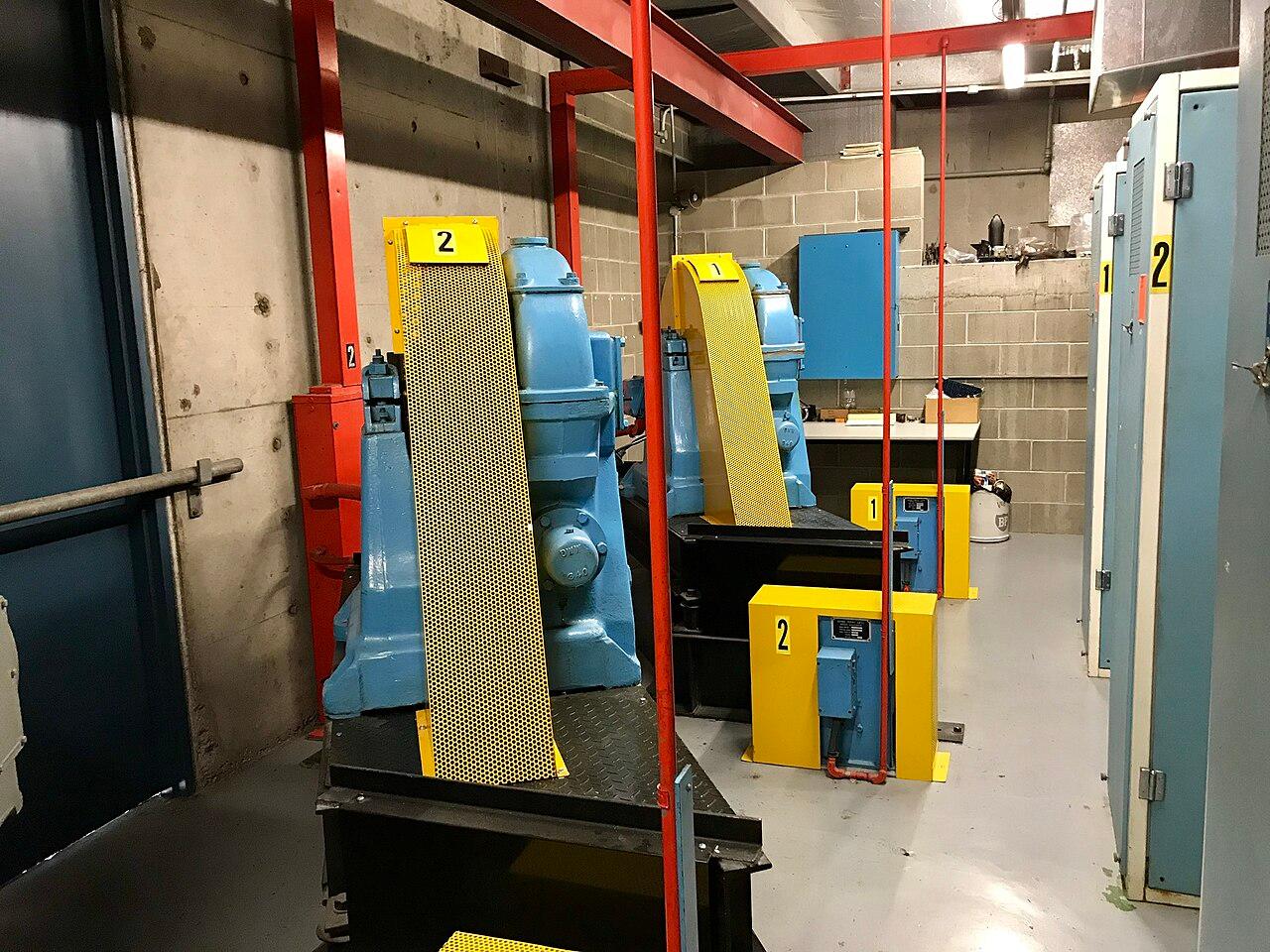
Otis flat polyurethane-coated steel belts on an elevator machine

02

The monitoring system is not optional

The steel inside a belt is hidden, so condition cannot be judged by counting broken wires as with a rope. Belt-drive lifts use a monitoring device that detects loss of residual strength and stops the car at the next landing before the belt falls below its safety threshold.

The monitor must be tested regularly and must never be bypassed. Belt replacement criteria include exposed cords, protruding strands, rouge, impact damage and residual-strength limits. Follow the manufacturer's instructions, not a generic rope-replacement rule.

  • Residual-strength monitoring device
  • Regular simulation testing
  • Jacket and cord inspection
  • Manufacturer-specific replacement criteria

03

Where belt drive makes sense

Belt drive is common in low- and mid-rise residential and commercial buildings where a compact MRL machine is valuable. The quiet operation is particularly useful in hotels, homes and offices.

For very tall buildings or very high speeds, conventional rope systems or other high-rise solutions may be more appropriate. Belt performance and wear depend on sheave size, alignment and duty.

04

Service and replacement planning

Ask who will service the belts, how they will inspect them and what replacement will cost. A belt lift is not maintenance-free; it needs a different maintenance skill set from a rope lift.

Keep the machine area clean and dry, check sheave condition and belt tracking, and record monitoring-device tests. If the building changes to heavier use, review the belt duty with the manufacturer.

Inside the system

The parts that do the work

A belt drive elevator is more than a motor and a car. These are the assemblies that determine safety, ride quality and service life.

Space

The compact system provides architects with greater design flexibility and building owners with more rentable space. The machine room-less design maximizes usable floor area.

Efficiency

Our patented flat-belt technology, pioneering drives, and gearless machines make the elevator among the most energy-efficient on the planet. Significant operational cost savings.

Comfort

Our systems minimize noise and vibration, rendering the elevator's movement barely perceptible. Passengers enjoy a quiet, comfortable ride every time.

01

Coated Steel Belts

Flat belts with embedded steel cords and polyurethane coating. Superior flexibility and grip compared to steel ropes.

02

Compact Drive Sheave

Small-diameter sheave (110mm+) designed specifically for flat belt engagement. Enables a more compact gearless machine.

03

Permanent Magnet Motor

High-efficiency PMSM designed for compact belt drive systems. Lightweight and powerful.

04

Belt Tensioning System

Maintains optimal belt tension for reliable traction and extended belt life.

05

Guide Sheaves

Smaller diameter sheaves that guide the belts through the hoistway, made possible by the belts' small bending radius.

06

Controller with VFD

Sophisticated electronic control system managing motor speed, torque, safety circuits, and floor positioning.

07

Counterweight

Balances the car weight, typically in a compact frame sized for the more efficient belt drive system.

08

Machine Room-less Configuration

The compact machine mounts inside the hoistway, eliminating the need for a separate machine room.

Where it fits

Best-fit applications

  • 01Low to mid-rise residential apartment buildings
  • 02Office buildings and commercial complexes
  • 03Hotels seeking quiet, comfortable elevator operation
  • 04Building modernization projects where machine room space is unavailable
  • 05New construction projects targeting maximum rentable floor area
  • 06Buildings with restricted overhead space in the hoistway
  • 07Projects requiring green building certification
  • 08Healthcare facilities where quiet operation is essential

Safety

Protection that is not optional

  • Multiple belt redundancy, each elevator uses 3-6 belts, any one can support the full load
  • Belt monitoring system that detects wear, damage, or elongation
  • Overspeed governor with mechanical safety gear activation
  • Dual disc brakes on the motor shaft for fail-safe stopping
  • Emergency rescue operation with manual lowering capability
  • Automatic rescue device for power failures
  • Advanced door interlock and reopening systems
  • Real-time diagnostic monitoring of all critical systems

Advantages

What it does well

  • Compact machine and small sheave
  • Quiet, smooth operation
  • No rope lubrication
  • Well suited to machine-room-less layouts
  • Saves hoistway headroom

Trade-offs

What to weigh up

  • Belt condition is hidden and needs monitoring
  • Replacement criteria are manufacturer-specific
  • Not ideal for every high-speed or very tall application
  • Service network must be trained on the system

Before you order

Site checklist

  • Confirm the belt system is supported locally
  • Check machine and sheave access
  • Plan monitoring-device testing
  • Review belt replacement cost and lead time
  • Confirm headroom and hoistway ventilation
  • Record belt tracking and sheave condition at commissioning

Questions

What owners ask us

The answers below are general guidance. Your building, local code and intended use determine the final specification.

Are coated steel belts as strong as steel ropes?

They are engineered suspension members with their own safety factors and replacement rules. They are not interchangeable with ropes; the manufacturer's design and monitoring requirements must be followed.

Do belt-drive lifts need lubrication?

The belts themselves are designed to run without rope lubrication. Lubricant can damage the jacket and reduce traction, so follow the manufacturer's instructions.

How long do elevator belts last?

Belt life depends on load, sheave size, alignment and duty. It is assessed through monitoring and inspection, not a single calendar interval. Plan replacement based on the manufacturer's criteria.

Can belt drive be used in high-rise buildings?

It is mainly used in low- and mid-rise MRL applications. Very tall or high-speed projects usually use conventional rope systems or other high-rise technologies.

Justin Elevators, Bengaluru

Choose the system, then engineer it properly

We compare belt drive elevator systems against your building, traffic and maintenance needs before recommending an installation.