Elevator technology

Traction Elevator

Traction is the workhorse of modern vertical transport. This guide explains the ropes, sheave, counterweight and machine choices behind a reliable traction lift.

Typical speed
0.5–6 m/s; higher for tall towers
Typical rise
Low to very high
Machine room
Usually required; MRL variants exist
Efficiency
High, especially gearless
Best for
Mid- and high-rise buildings
Suspension
Steel ropes or coated belts

8 min read · Updated November 2026

Modern traction elevator machine room with motor and controller

Reference photography is representative. Final system selection is confirmed after a site survey.

Justin Elevators engineering desk · Bengaluru

How it works

The engineering,
made clear.

Traction elevators are the most widely used elevator type globally, accounting for over 90% of the elevator market. They operate using an electric motor that drives a sheave, with steel ropes connecting the elevator car to a counterweight. The friction between the ropes and the sheave enables smooth, efficient vertical movement. Traction elevators are the preferred choice for mid to high-rise buildings due to their superior speed, energy efficiency, and ride comfort.

Traction Elevator system diagram

01

The traction principle

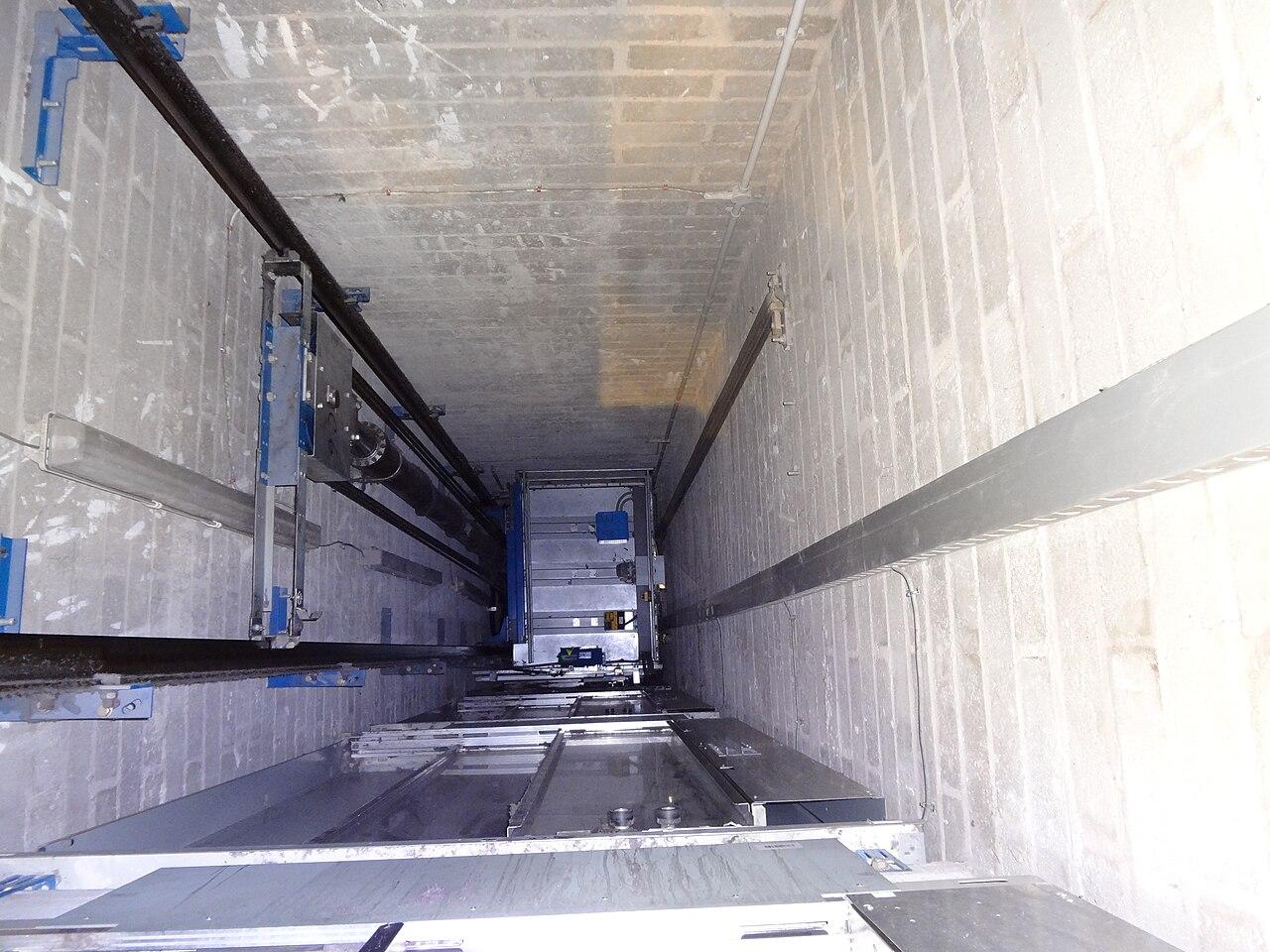
A traction lift hangs the car on one side of a hoist rope and a counterweight on the other. The rope passes over a grooved drive sheave. When the motor turns the sheave, friction between the rope and the groove moves the car.

The counterweight balances most of the car's weight, so the motor mainly overcomes the difference between the car load and the counterweight. That is why traction lifts are more efficient than lifting the full car weight directly.
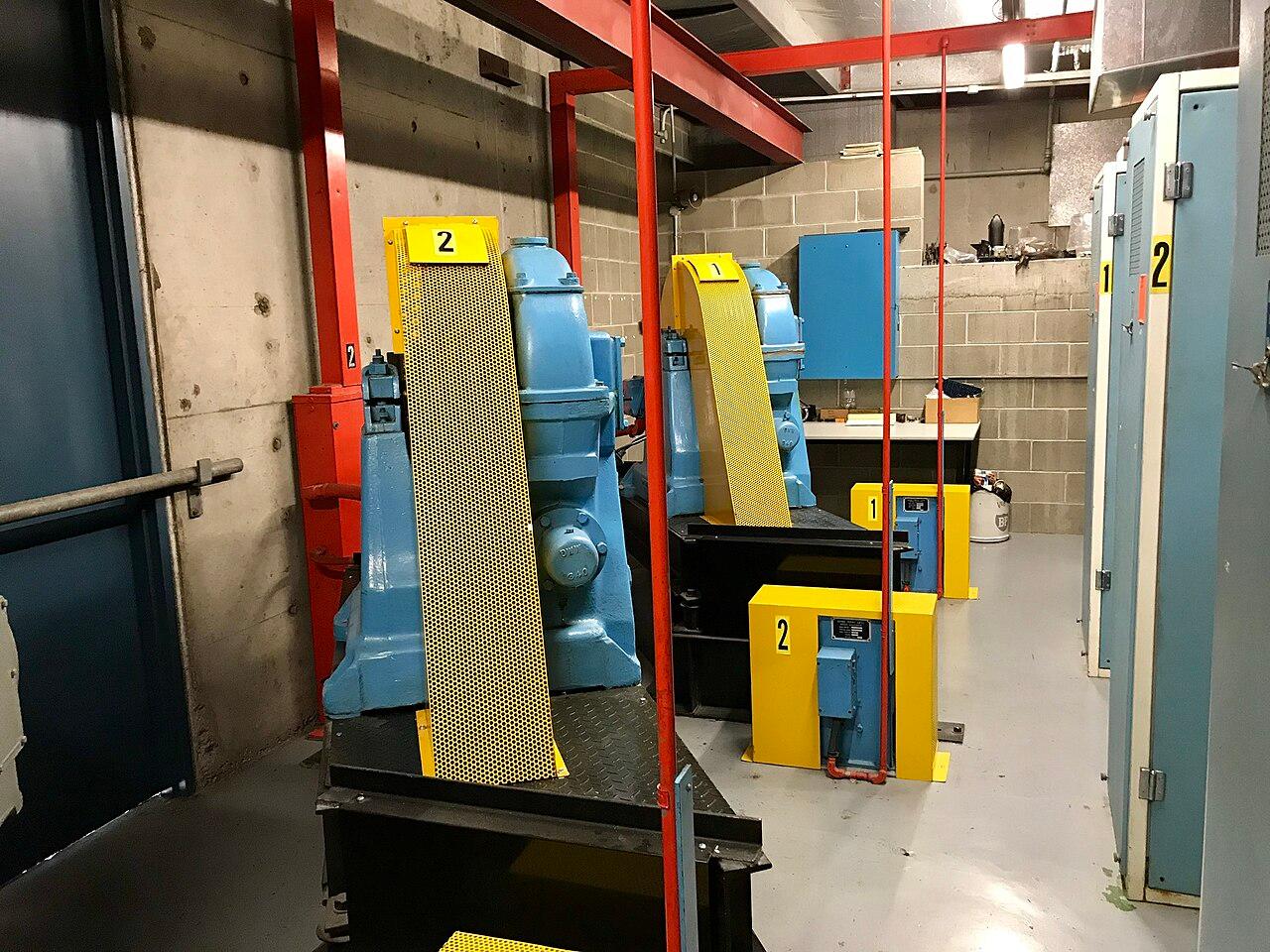
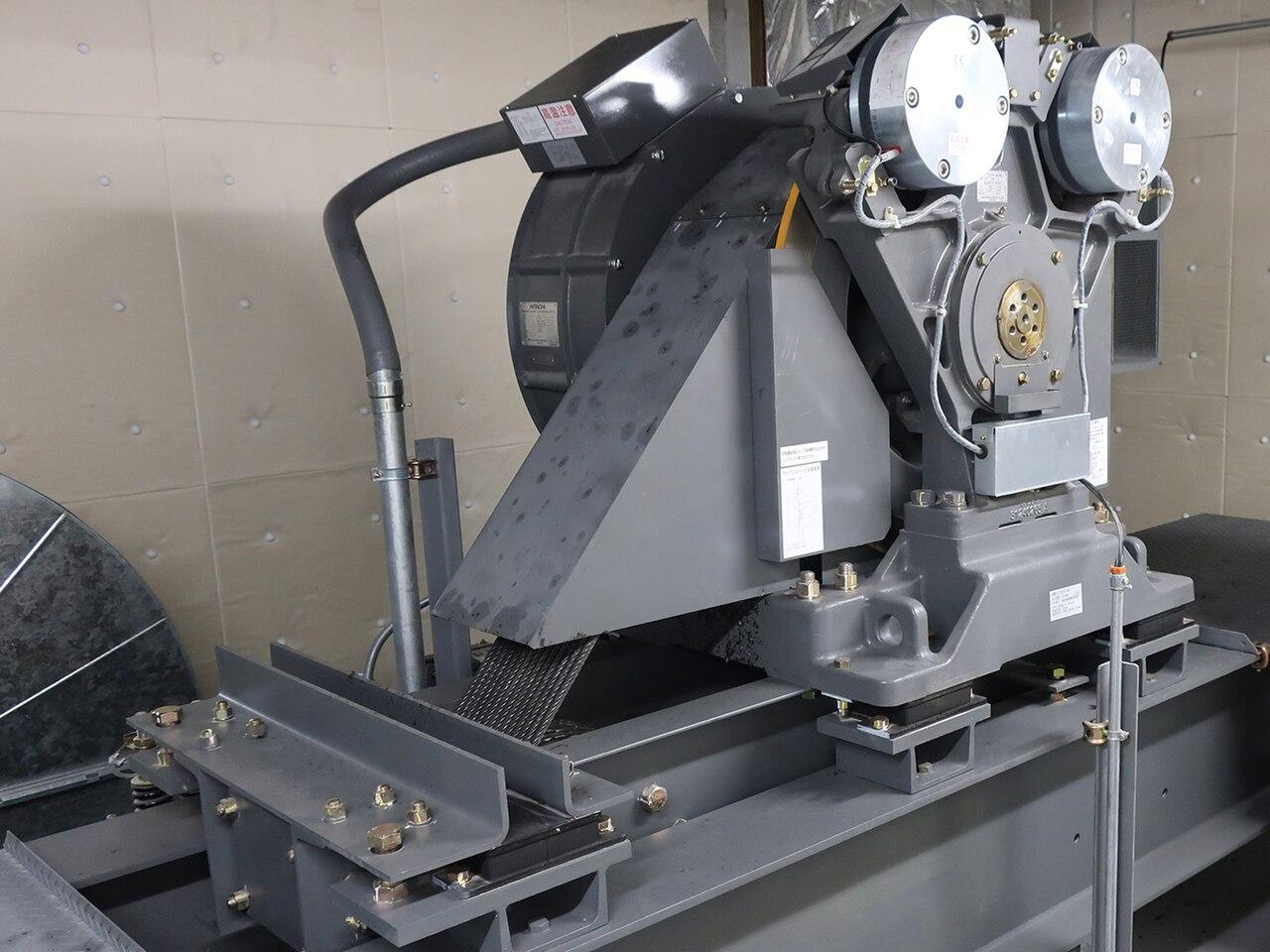
Modern traction elevator machine room with motor and controller

02

Geared, gearless and machine-room-less

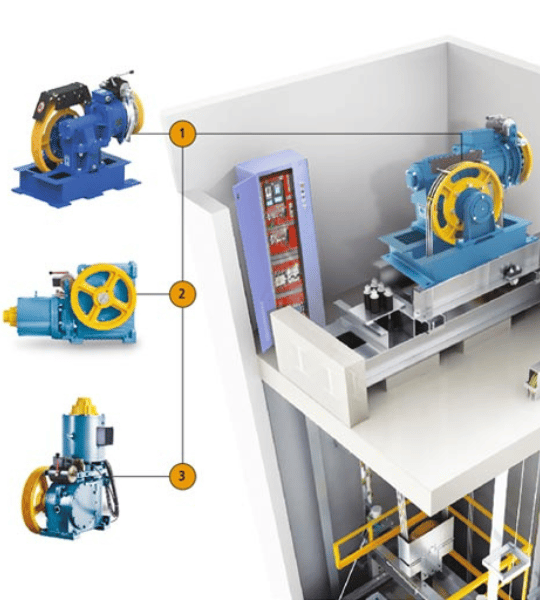
A geared machine uses a gearbox to multiply torque. It is robust and familiar, but the gearbox adds friction, noise and maintenance. A gearless machine couples the sheave directly to a permanent-magnet motor, reducing losses and improving ride quality.

Machine-room-less traction packages move a compact gearless machine into the hoistway. They save building space and are common in low- and mid-rise projects. The trade-off is that service access and heat dissipation need to be designed carefully.

  • Geared: lower initial cost, more noise and maintenance
  • Gearless: smoother, quieter and more efficient
  • MRL: no dedicated machine room, compact shaft head
  • Belt drive: coated belts and very small sheaves

03

Where traction works best

Traction is the default for buildings above five or six floors because hydraulic travel becomes impractical. It is also the better choice for high traffic, where speed and energy efficiency matter over the building's life.

For a low-rise villa with occasional use, a hydraulic lift may be simpler and cheaper. For an apartment building with daily traffic, traction is usually the better long-term investment.

04

What maintenance should cover

The service visit should inspect rope condition and equal tension, sheave grooves, brake performance, guide shoes, governor and safety gear, door operation and controller faults. Rope replacement should be planned from measured wear, not left until a failure.

Keep the machine room ventilated and clean. Record brake adjustments, rope measurements and safety-gear tests so the building has an auditable maintenance history.

Inside the system

The parts that do the work

A traction elevator is more than a motor and a car. These are the assemblies that determine safety, ride quality and service life.

01

Traction Machine

The heart of the system, consisting of an electric motor, drive sheave, and brake. It generates the rotational force that moves the elevator car.

02

Drive Sheave

A grooved wheel that transmits the motor's power to the hoist ropes through friction. The groove design is critical for traction performance.

03

Hoist Ropes (Steel Cables)

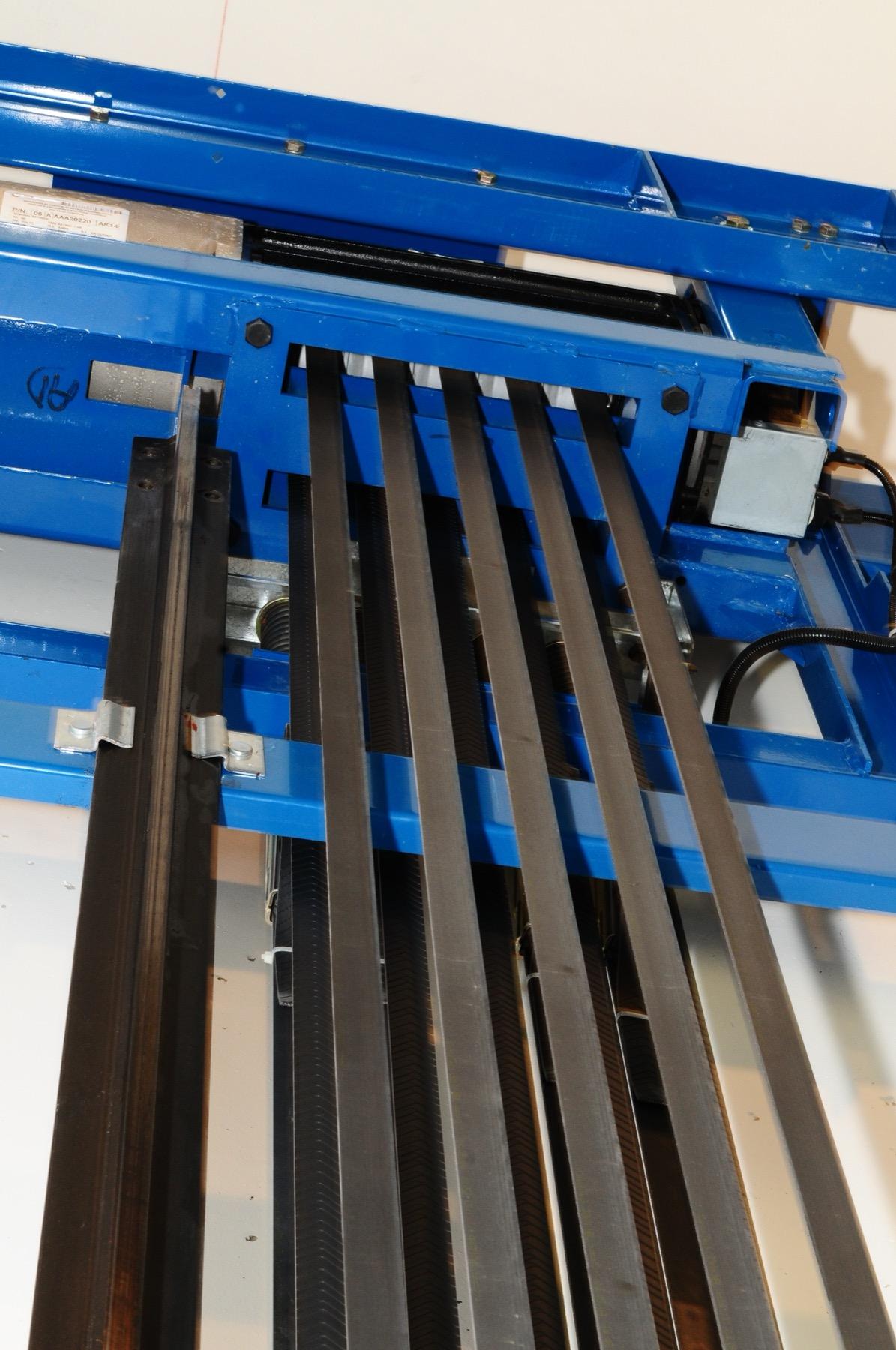
Multiple steel wire ropes (typically 4-8) that connect the car to the counterweight. Each rope alone can support the full load for redundancy.

04

Counterweight

A weighted frame that balances the car's weight, reducing motor workload by approximately 40-50%. Moves on its own guide rails.

05

Elevator Car

The passenger or goods compartment that travels within the hoistway. Includes the car frame, platform, walls, ceiling, and doors.

06

Guide Rails

Vertical steel rails that guide the car and counterweight, ensuring smooth and precise movement throughout the hoistway.

07

Controller System

The electronic brain that manages all operations, speed, acceleration, floor positioning, door operation, and safety monitoring.

08

Overspeed Governor

A critical safety device that activates the safety gear if the elevator exceeds its rated speed by more than 15%.

Where it fits

Best-fit applications

  • 01High-rise residential apartment buildings and condominiums
  • 02Commercial office towers and corporate headquarters
  • 03Hotels and hospitality establishments
  • 04Shopping malls and retail complexes
  • 05Hospitals and healthcare facilities
  • 06Educational institutions and universities
  • 07Government and public buildings
  • 08Transportation hubs like airports and railway stations

Safety

Protection that is not optional

  • Overspeed governor with mechanical safety gear, activates if the car exceeds safe speed
  • Multiple hoist ropes, each rope can independently support the full load
  • Automatic braking system that engages when power is interrupted
  • Car emergency stop button and alarm system
  • Door interlocks preventing operation when doors are open
  • Emergency lighting and communication system
  • Terminal limit switches preventing over-travel at top and bottom
  • Buffers at the pit bottom for emergency energy absorption

Advantages

What it does well

  • Suitable for low-, mid- and high-rise buildings
  • High speed capability with good ride comfort
  • Energy-efficient, especially with gearless drives
  • Long service life with planned maintenance
  • Can use ropes or coated belts

Trade-offs

What to weigh up

  • Usually needs a machine room unless designed as MRL
  • Counterweight and rope layout need shaft space
  • More mechanical components than a hydraulic lift
  • Rope and sheave condition must be monitored

Before you order

Site checklist

  • Confirm shaft size and counterweight position
  • Check machine-room or MRL headroom
  • Review structural loads for machine and guide rails
  • Confirm rope or belt suspension choice
  • Plan power, ventilation and service access
  • Set a rope and brake inspection schedule

Questions

What owners ask us

The answers below are general guidance. Your building, local code and intended use determine the final specification.

How high can a traction elevator go?

Traction lifts can serve very tall buildings, with speeds well above 6 m/s in high-rise applications. The practical limit depends on the machine, rope or belt system, building sway and code requirements.

Is traction more efficient than hydraulic?

For regular use in taller buildings, yes. The counterweight reduces the energy needed to move the car. In very low-use buildings, standby power and the hydraulic system's simplicity can change the comparison.

Does a traction lift always need a machine room?

No. Machine-room-less traction systems place a compact machine in the hoistway. A conventional geared or larger gearless machine may still need a dedicated machine room.

How long do traction ropes last?

Rope life depends on load, sheave condition, alignment and maintenance. It is measured by inspection, not by a fixed calendar interval. Replace ropes when the manufacturer's wear criteria are reached.

Justin Elevators, Bengaluru

Choose the system, then engineer it properly

We compare traction elevator systems against your building, traffic and maintenance needs before recommending an installation.