Elevator technology

Gearless Elevator

Innovative Space

A gearless lift eliminates the gearbox and couples the sheave directly to a permanent-magnet motor. The result is a quieter, more efficient and more compact machine.

Typical speed
0.5–10 m/s
Typical rise
Mid- to high-rise
Machine room
Compact or machine-room-less
Efficiency
Very high
Best for
Premium residential, hotels and offices
Noise
Low; no gear mesh

7 min read · Updated November 2026

Gearless elevator motor mounted in a machine room

Reference photography is representative. Final system selection is confirmed after a site survey.

Justin Elevators engineering desk · Bengaluru

How it works

The engineering,
made clear.

Gearless elevators represent the pinnacle of elevator technology, where the drive sheave is mounted directly on the motor shaft without any gearbox in between. This direct-drive configuration eliminates mechanical losses, reduces maintenance requirements, and delivers unparalleled efficiency and ride quality. Gearless elevators are the preferred choice for high-rise buildings and premium applications where speed, comfort, and energy efficiency are paramount.

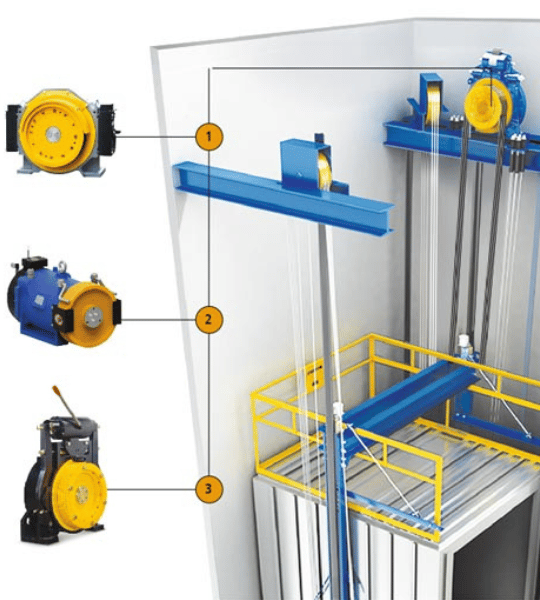
Gearless Elevator system diagram

01

What direct drive changes

A gearless machine connects the drive sheave directly to the motor shaft. There is no gearbox, so there is no gear friction, gear oil or gear noise. Every rotation of the motor moves the rope directly, which improves efficiency and control.

Permanent-magnet synchronous motors provide high torque in a small package. That compactness is what makes modern machine-room-less and low-headroom lifts possible.
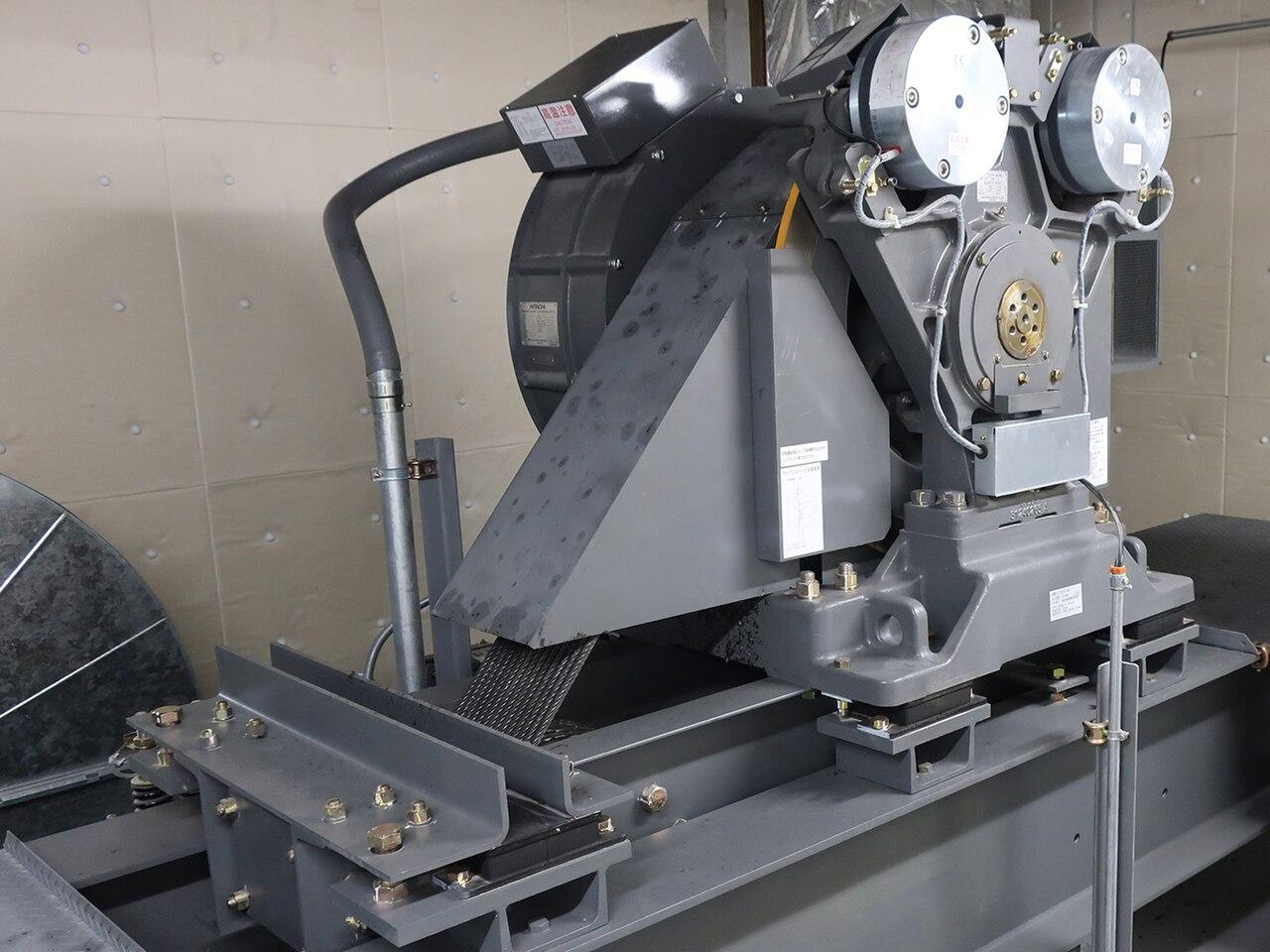
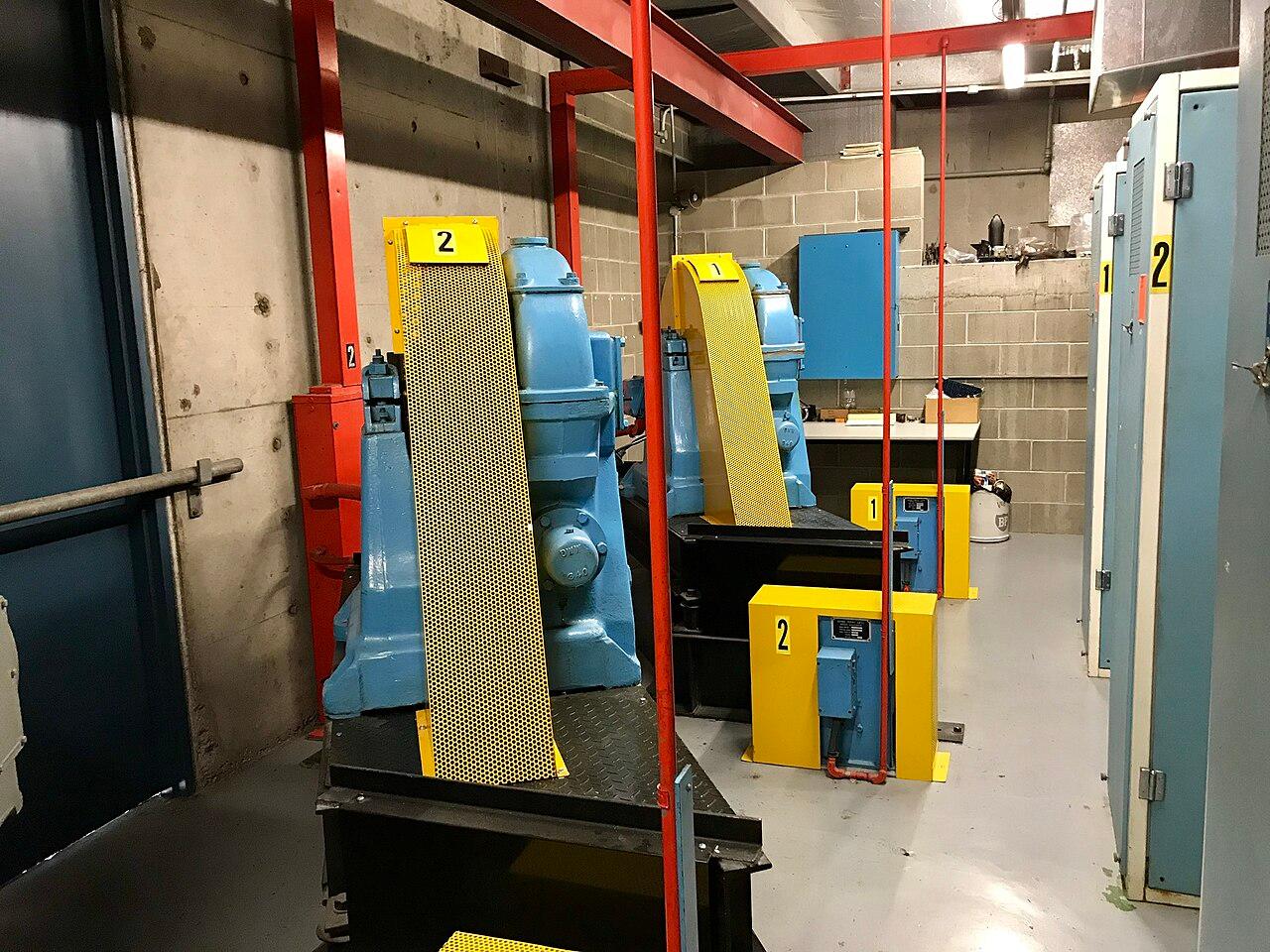
Gearless elevator motor mounted in a machine room

02

Ride quality and VVVF control

A gearless machine is only half the story. The variable-frequency drive controls acceleration, deceleration and levelling. Good tuning makes the start and stop feel smooth and keeps the car level with the landing.

Because the machine is compact, installation and alignment matter. A poorly aligned sheave or rope set can spoil the ride even with a premium motor. Ask for the commissioning records and a ride test.

03

Where gearless makes sense

Gearless drives are common in mid- and high-rise residential, hotel and office projects. They are also used in premium low-rise buildings where quiet operation and a compact machine are worth the investment.

For a small villa with occasional use, the energy saving may not justify the higher first cost. The decision should consider usage, building height, noise sensitivity and available space.

04

Maintenance and monitoring

Gearless machines have fewer mechanical wear points than geared machines, but they still need brake inspection, bearing checks, rope or belt monitoring and controller diagnostics. The machine must remain clean, dry and ventilated.

Modern controllers can log faults and operating data. Use that data to catch door faults, overloads and levelling drift before they become breakdowns.

Inside the system

The parts that do the work

A gearless elevator is more than a motor and a car. These are the assemblies that determine safety, ride quality and service life.

01

Permanent Magnet Synchronous Motor (PMSM)

The direct-drive motor that powers the system. Uses rare-earth permanent magnets for high efficiency and torque density.

02

Drive Sheave

Mounted directly on the motor shaft. Its grooved surface creates the friction needed to move the hoist ropes.

03

Brake System

Dual spring-applied, electrically released disc brakes that provide fail-safe stopping power.

04

Hoist Ropes

High-strength steel wire ropes that connect the car and counterweight with superior flexibility and longevity.

05

Counterweight

Balances approximately 50% of the car's loaded weight, reducing energy consumption significantly.

06

Variable Frequency Drive (VFD)

Advanced electronic controller that precisely manages motor speed, torque, and direction for optimal ride quality.

07

Car Frame and Sling

The structural framework that supports the elevator car, mounted on guide shoes that run along the guide rails.

08

Controller Cabinet

Houses the microprocessor-based control system, safety circuits, and communication interfaces.

Where it fits

Best-fit applications

  • 01Premium residential apartment towers
  • 02Luxury hotels and resorts
  • 03Class A commercial office buildings
  • 04High-rise mixed-use developments
  • 05Hospitals requiring silent, smooth operation
  • 06Buildings with space constraints where machine room size matters
  • 07Projects targeting green building certification (LEED, GRIHA)
  • 08Modernization of existing buildings with outdated geared systems

Safety

Protection that is not optional

  • Dual independent braking systems for complete redundancy
  • Overspeed governor with centrifugal trip mechanism
  • Safety gear that physically locks the car to the guide rails in an overspeed condition
  • Advanced door interlock system preventing car movement with open doors
  • Emergency rescue operation with manual lowering capability
  • Real-time monitoring of motor temperature, rope tension, and bearing condition
  • Automatic rescue device for power failure situations
  • Seismic protection systems for earthquake-prone regions

Advantages

What it does well

  • Very quiet operation with no gear mesh
  • High energy efficiency
  • Compact machine enables MRL designs
  • Smooth ride and precise levelling
  • Lower routine maintenance than a geared machine

Trade-offs

What to weigh up

  • Higher first cost than a basic geared or hydraulic lift
  • Compact machine access must be planned
  • Requires skilled commissioning
  • Benefits are greatest in regular, taller buildings

Before you order

Site checklist

  • Confirm the machine can be installed and serviced safely
  • Check headroom and hoistway ventilation
  • Review rope or belt monitoring requirements
  • Confirm VVVF drive and controller specification
  • Plan brake and bearing inspection access
  • Ask for commissioning and ride-quality records

Questions

What owners ask us

The answers below are general guidance. Your building, local code and intended use determine the final specification.

Is a gearless lift the same as an MRL lift?

Not exactly. Gearless describes the machine; MRL describes the machine location. A gearless machine can be in a machine room or in the hoistway, and an MRL lift can use a gearless machine or another compact drive.

How much energy does a gearless lift save?

It depends on the building, usage and baseline. Gearless drives avoid gearbox losses and are generally more efficient than geared systems, but the actual saving must be compared over a full operating cycle.

Are gearless lifts more reliable?

They have fewer mechanical wear points, but reliability still depends on installation, maintenance and component quality. A well-maintained geared lift can be reliable too.

Can a gearless machine be installed in an existing building?

Sometimes, especially in a retrofit with a suitable hoistway and machine location. The shaft, headroom, structural loads and service access must be checked first.

Justin Elevators, Bengaluru

Choose the system, then engineer it properly

We compare gearless elevator systems against your building, traffic and maintenance needs before recommending an installation.