Elevator technology

Hydraulic Elevator

Hydraulic lifts use fluid pressure to push the car upward. They are simple, powerful and well suited to low-rise and heavy-load applications.

Typical speed
0.3–1.0 m/s
Typical rise
Up to about 18 m
Typical capacity
Up to 5,000 kg
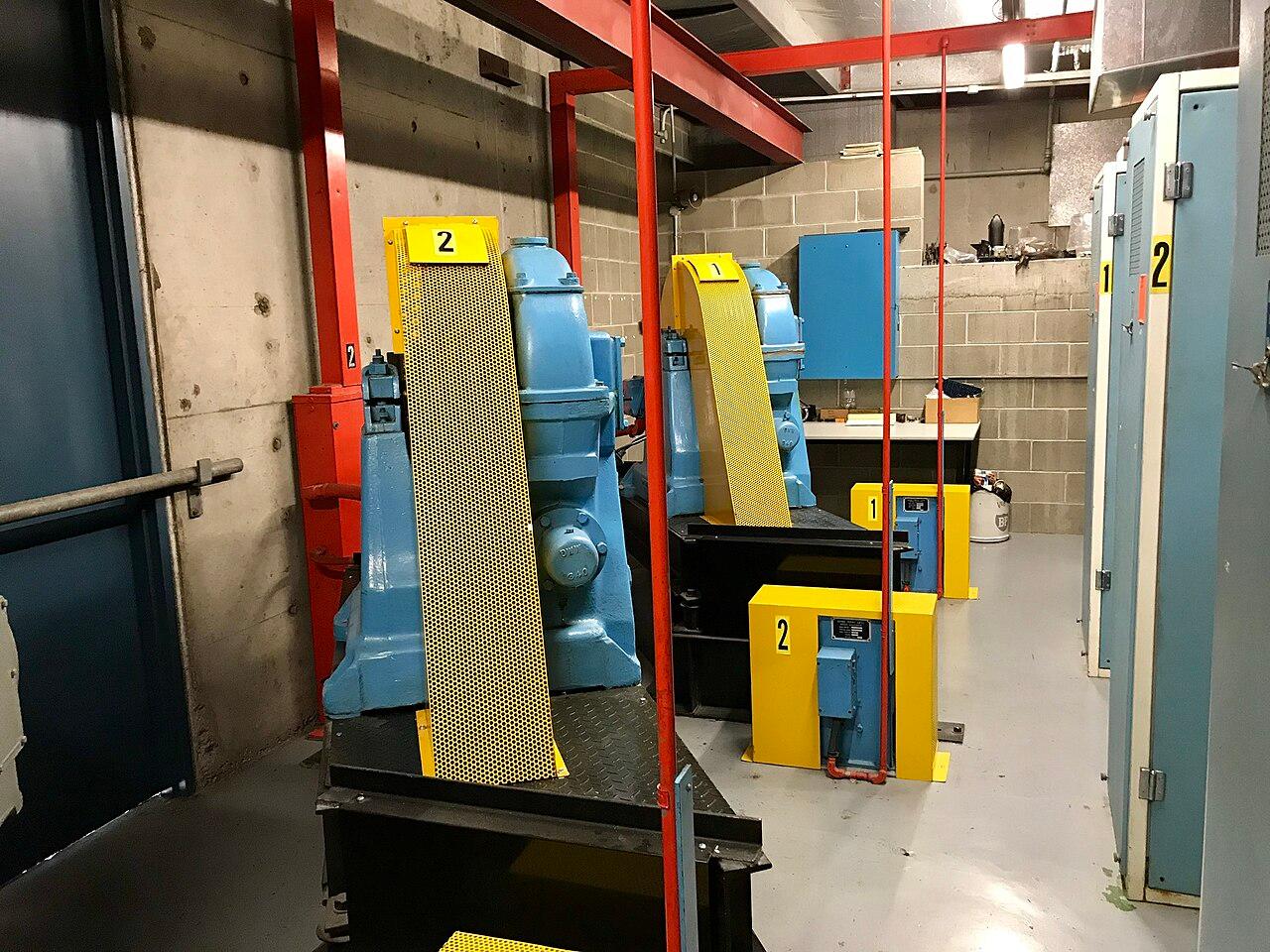
Machine room
Small power-unit room
Best for
Low-rise, heavy loads and simple layouts
Counterweight
None in direct-acting systems

7 min read · Updated November 2026

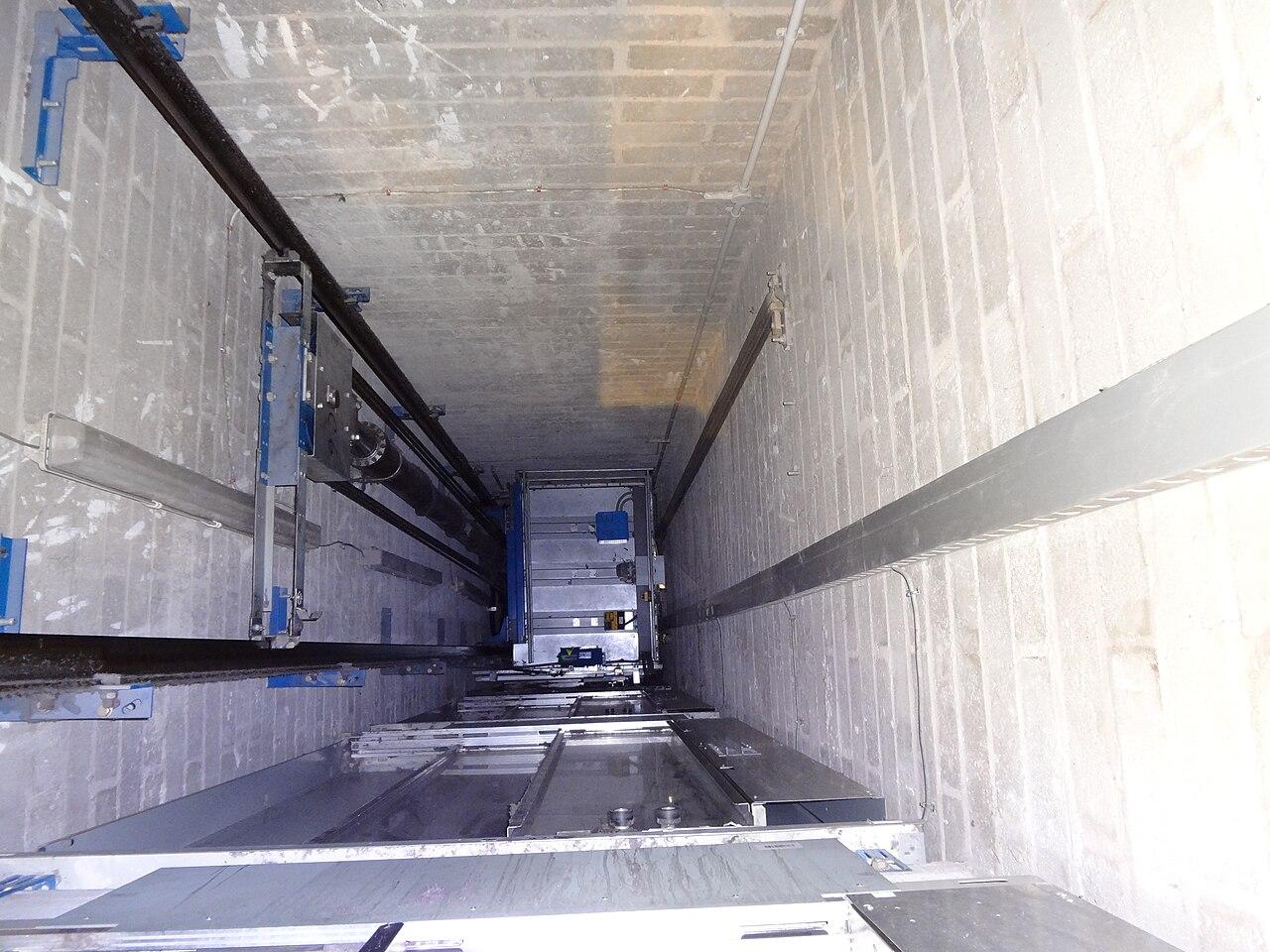
Hydraulic elevator shaft showing the ram and car

Reference photography is representative. Final system selection is confirmed after a site survey.

Justin Elevators engineering desk · Bengaluru

How it works

The engineering,
made clear.

Hydraulic elevators have been a trusted vertical transportation solution for over a century, using fluid power to move elevator cars with remarkable simplicity and reliability. These systems are ideal for low to mid-rise buildings (up to 5-6 stories) and applications where heavy loads need to be moved. While traction elevators dominate high-rise applications, hydraulic elevators remain the most cost-effective and practical choice for many building types.

Hydraulic Elevator system diagram

01

Pascal's principle in practice

A hydraulic power unit pumps oil into a cylinder. The pressure pushes a piston, which lifts the car. To descend, a valve releases oil back to the reservoir and the car lowers under gravity.

Because the car is pushed from below, there is no counterweight and no hoist ropes in a direct-acting system. That can simplify the shaft and reduce overhead requirements.
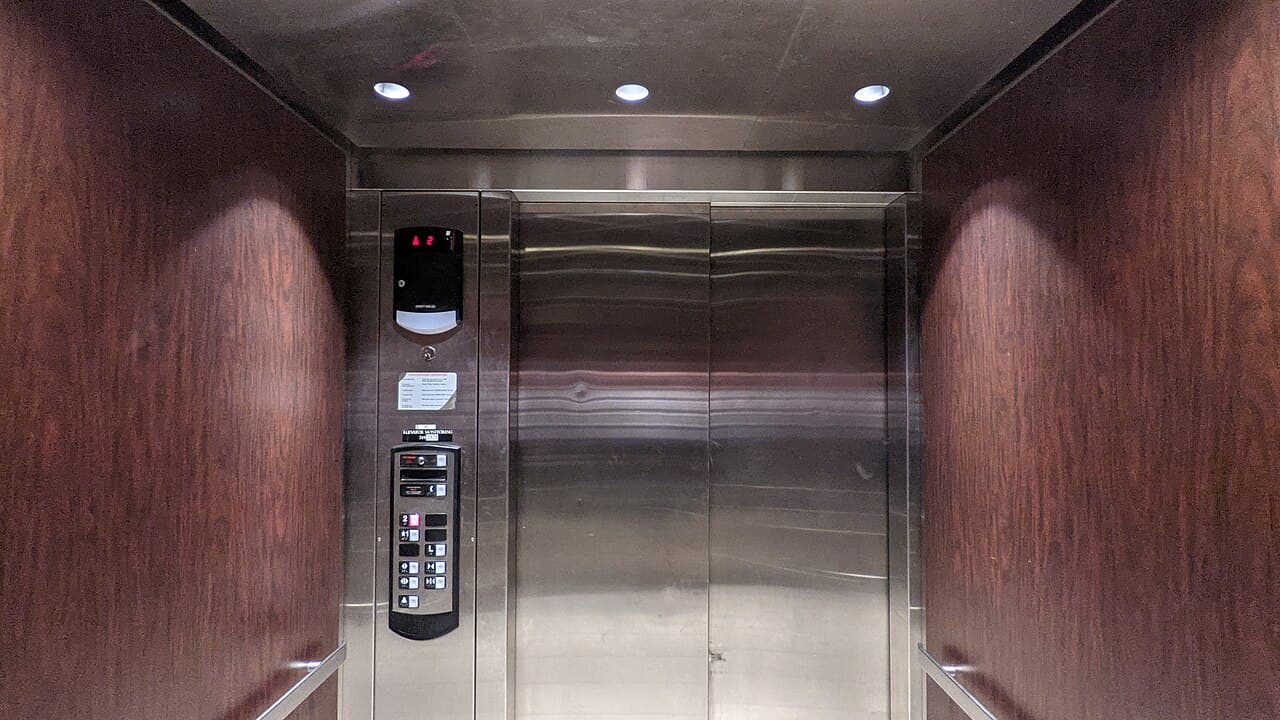
Interior of a hydraulic elevator with cascading doors

02

Cylinder and system types

Direct-acting systems use a single piston and cylinder, often below ground. Hole-less systems use above-ground cylinders and can avoid a deep bore. Roped hydraulic systems use ropes and sheaves to multiply travel, but add mechanical complexity.

The choice depends on travel, load, soil conditions and the available pit. A high water table or contaminated ground can make an underground cylinder expensive or unsuitable.

  • Direct-acting: simple, common for low-rise
  • Hole-less: above-ground cylinder, no deep bore
  • Roped hydraulic: more travel with a shorter cylinder
  • Telescopic: multi-stage cylinder for limited pit depth

03

Where hydraulic works well

Hydraulic lifts are common in villas, low-rise apartments, goods lifts and car stackers. They can move heavy loads at low speed and are often simpler to install in an existing building.

For a building with many floors or heavy daily traffic, traction is usually more efficient. Energy use, heat and oil maintenance all increase with frequent hydraulic operation.

04

Maintenance and environmental care

Hydraulic systems need oil-level checks, filter changes, hose and seal inspection, valve checks and cylinder inspection. A rupture valve or burst-disc protection is essential to prevent uncontrolled descent if a line fails.

Use the specified hydraulic fluid and manage leaks promptly. In sensitive sites, discuss biodegradable fluids and secondary containment with the supplier. Do not assume a hydraulic lift is maintenance-free because it is simple.

Inside the system

The parts that do the work

A hydraulic elevator is more than a motor and a car. These are the assemblies that determine safety, ride quality and service life.

01

Hydraulic Cylinder

The vertical chamber where the piston travels. Can be installed in-ground (buried) or above-ground (hole-less design).

02

Piston (Plunger)

A precisely machined steel shaft that extends from the cylinder to lift the car. May be single-stage or telescopic (multi-stage).

03

Hydraulic Power Unit

Contains the electric motor, hydraulic pump, valve manifold, oil reservoir, and control electronics.

04

Electric Motor and Pump

The motor drives the pump that pressurizes the hydraulic fluid. Typically 10-30 HP depending on load and travel.

05

Control Valves

Proportional solenoid valves that regulate oil flow for smooth acceleration, deceleration, and precise leveling.

06

Oil Reservoir

Tank that stores hydraulic fluid. Sized to accommodate the full volume displaced when the piston is fully extended.

07

Elevator Car and Frame

The passenger compartment mounted on a structural frame that connects to the piston via the car sling.

08

Rupture Valve (Safety Device)

A critical safety component that prevents uncontrolled descent if a hydraulic line fails.

Where it fits

Best-fit applications

  • 01Villas and residential homes
  • 02Low-rise apartment buildings (2-5 floors)
  • 03Small commercial buildings and offices
  • 04Warehouses and industrial facilities requiring freight elevators
  • 05Parking structures with vehicle elevators
  • 06Retail stores and showrooms
  • 07Hospitals for bed/stretcher movement in low-rise wings
  • 08Buildings where machine room cannot be located at the top

Safety

Protection that is not optional

  • Rupture valve, instantly locks the cylinder if a hydraulic line breaks, preventing free fall
  • Burst disc protection on the cylinder
  • Hydraulic pressure relief valve preventing system overpressure
  • Low oil level detection and automatic shutdown
  • Emergency manual lowering valve for power failure situations
  • Mechanical safety gear on car guide rails
  • Door interlocks and car-top emergency stop
  • Overload sensor preventing operation when capacity is exceeded

Advantages

What it does well

  • Lower initial cost for many low-rise applications
  • High load capacity
  • No counterweight in direct-acting systems
  • Less overhead space than some traction layouts
  • Simple, robust operation

Trade-offs

What to weigh up

  • Slower than traction lifts
  • Travel is limited by cylinder length
  • Oil maintenance and leak control are required
  • Energy use is higher in frequent, taller applications

Before you order

Site checklist

  • Confirm travel height and pit conditions
  • Check water table and soil for an underground cylinder
  • Review oil storage, containment and ventilation
  • Confirm rupture-valve and burst-disc protection
  • Plan power unit access and heat dissipation
  • Agree oil testing and hose-replacement intervals

Questions

What owners ask us

The answers below are general guidance. Your building, local code and intended use determine the final specification.

How many floors can a hydraulic lift serve?

Hydraulic lifts are typically used up to about five or six floors, or roughly 18 m of travel. Beyond that, traction becomes more practical.

Do hydraulic lifts need a machine room?

They need a small space for the power unit and controller, but it does not have to be a large overhead machine room. The location depends on the system and building layout.

Are hydraulic lifts safe if a hose breaks?

A rupture valve or burst-disc protection is designed to stop uncontrolled descent if a hydraulic line fails. It must be correctly specified, installed and tested.

Are hydraulic lifts still used?

Yes. They remain a practical choice for low-rise, heavy-load and retrofit applications where their simplicity and load capacity are an advantage.

Justin Elevators, Bengaluru

Choose the system, then engineer it properly

We compare hydraulic elevator systems against your building, traffic and maintenance needs before recommending an installation.