Elevator technology

Mrl Elevator

Machine Roomless Elevator

A machine-room-less lift puts the drive inside the hoistway, freeing building space and changing how the shaft is planned.

Typical speed
0.5–2.5 m/s
Typical rise
Low- to mid-rise
Machine room
None; machine in hoistway
Drive
Compact gearless, rope or belt
Best for
Apartments, offices and hotels
Space saving
No dedicated machine room

7 min read · Updated November 2026

Machine-room-less elevator drive, ropes and overspeed governor inside a hoistway

Reference photography is representative. Final system selection is confirmed after a site survey.

Justin Elevators engineering desk · Bengaluru

How it works

The engineering,
made clear.

Machine Room-Less (MRL) elevators have revolutionized building design by eliminating the traditional machine room. All mechanical and electrical components are housed within the hoistway itself, typically at the top. This innovation saves valuable building space, reduces construction costs, and provides architects with greater design freedom. MRL elevators are the fastest-growing segment of the elevator market, particularly for low to mid-rise buildings.

Mrl Elevator system diagram

01

What machine-room-less means

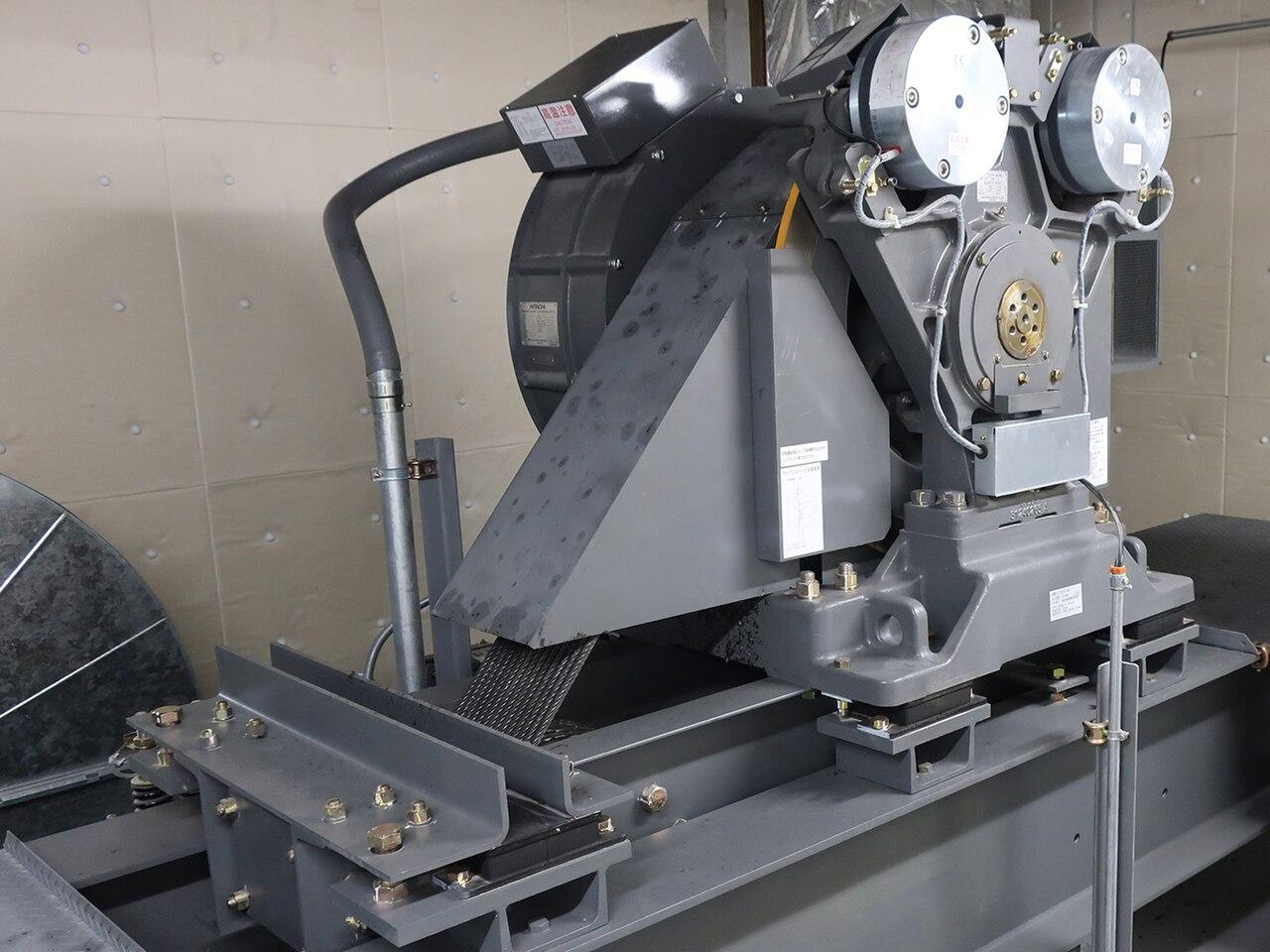
In a conventional traction lift, the machine and controller sit in a rooftop machine room. An MRL lift uses a compact gearless machine mounted inside the hoistway, usually at the top, with a small controller cabinet nearby.

The machine is small enough to fit within the hoistway envelope because permanent-magnet motors provide high torque in a compact package. The result is more usable building space and a simpler rooftop.
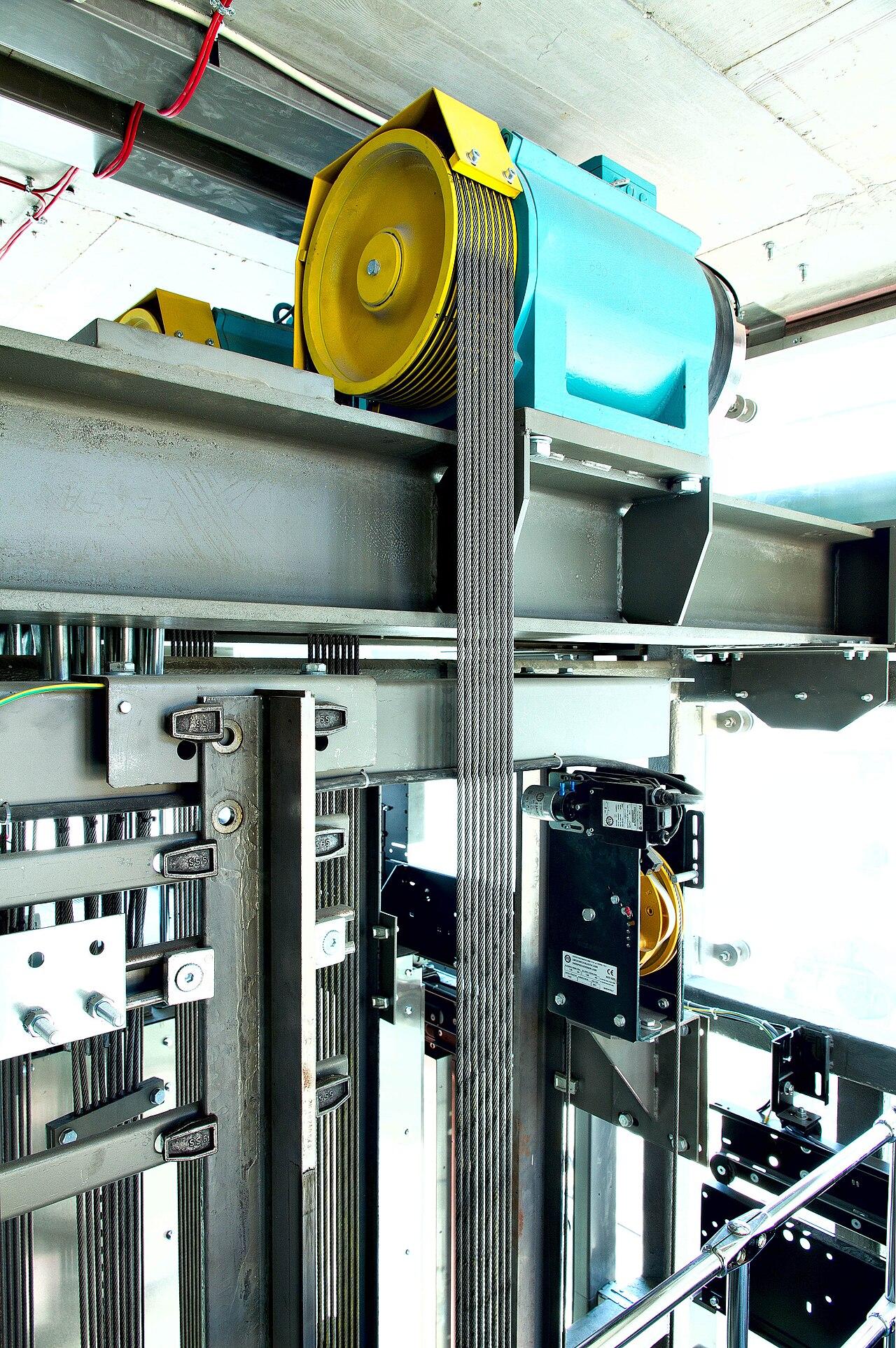
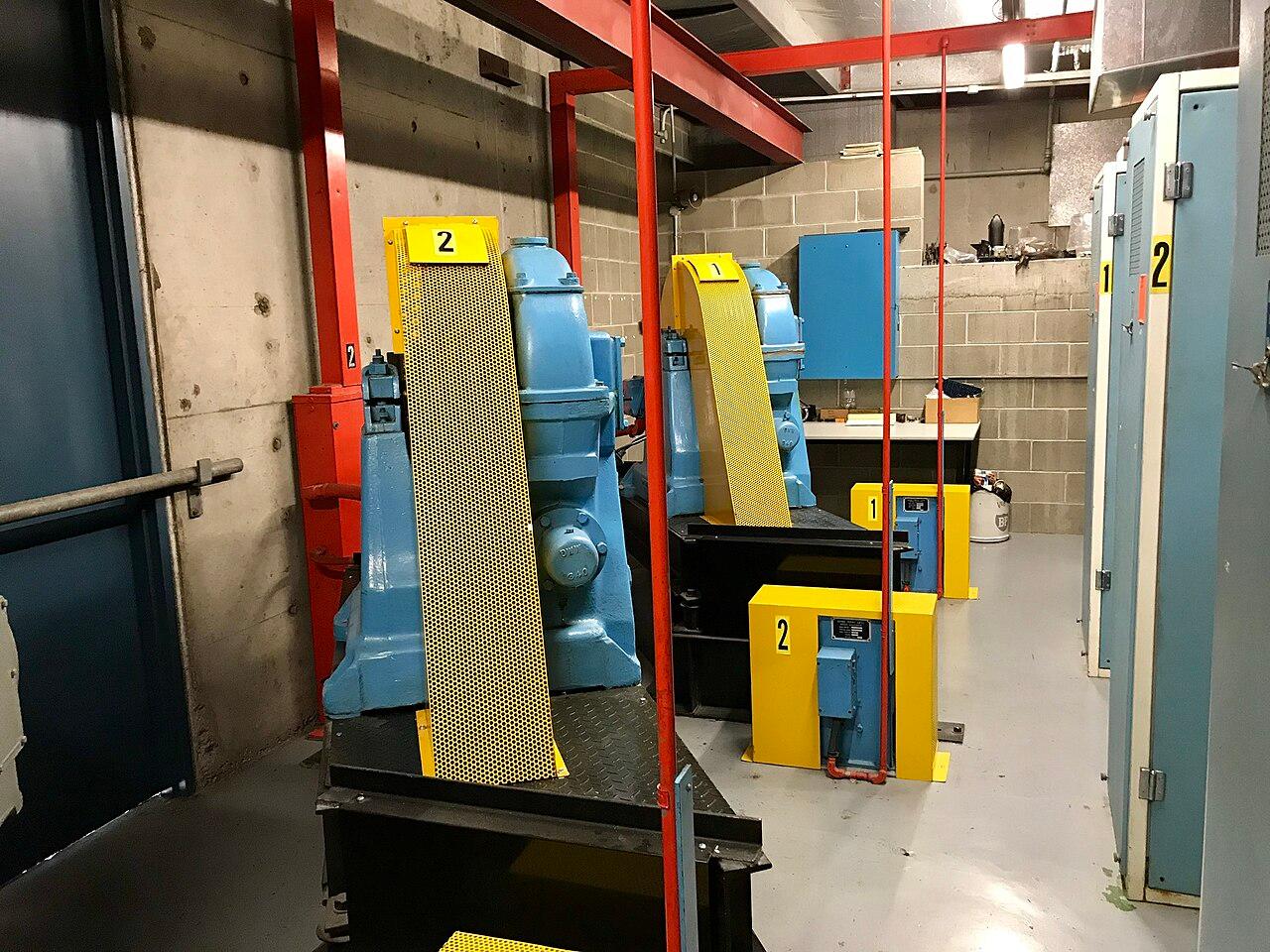
Machine-room-less elevator drive, ropes and overspeed governor inside a hoistway

02

Space savings and design freedom

Removing the machine room can free a meaningful area of the building and reduce structural work on the roof. It also gives architects more freedom for rooftop amenities, solar panels or a cleaner facade.

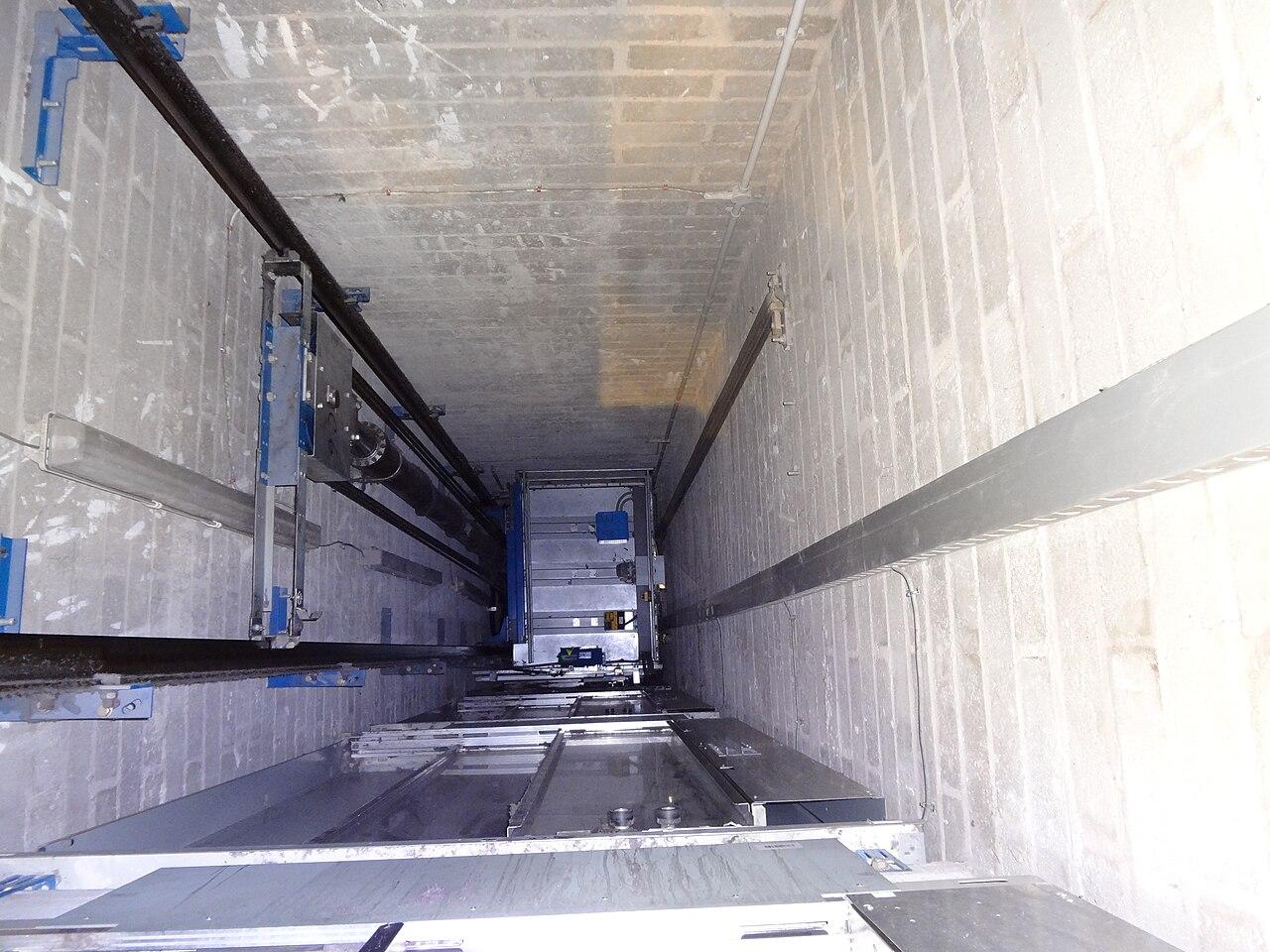
The trade-off is that the hoistway must provide enough overhead space and safe access for service. The machine is above the car, so maintenance procedures and inspection controls must be planned carefully.

  • No dedicated machine room
  • Compact gearless machine in the hoistway
  • Controller in a small cabinet or electrical room
  • Service access and headroom are critical

03

Rope, belt and hydraulic MRL

Most modern MRL lifts are gearless traction systems using steel ropes or coated belts. Hydraulic MRL systems also exist for low-rise applications, but they still need a power unit and oil management.

The choice between rope and belt affects sheave size, headroom, monitoring and maintenance. The building's height, duty and local service support should guide the decision.

04

Service access and maintenance

An MRL lift is not maintenance-free. The machine, brake, governor, ropes or belts and controller still need inspection. Safe access to the hoistway machine is essential and should be designed, not improvised.

Ask for the maintenance procedure, machine access method and emergency rescue plan. Confirm that the service technician can reach the machine safely without disturbing the car or exposing building users to risk.

Inside the system

The parts that do the work

A mrl elevator is more than a motor and a car. These are the assemblies that determine safety, ride quality and service life.

Space Saving

It saves 25% of total elevator equipment area and reduces 40% of space occupation compared to traditional machine-room elevators.

01

Compact Gearless Machine

A low-profile PMSM motor mounted in the hoistway. Provides high torque in a very compact package.

02

Drive Sheave

Small-diameter sheave mounted directly on the motor shaft. Usually 110-200mm diameter.

03

Machine Support Beam

Structural steel beams at the top of the hoistway that support the machine weight and dynamic loads.

04

Hoist Ropes or Belts

Steel wire ropes or coated steel belts connecting the car and counterweight.

05

Controller Cabinet

Compact control panel typically located in a small electrical closet or mounted on the hoistway wall.

06

Counterweight

Standard counterweight assembly but often more compact than in machine-room systems.

07

Overspeed Governor

Mounted within the hoistway, usually on the guide rail at the top. Activates safety gear in overspeed conditions.

08

Car and Guide Rail Assembly

Standard elevator car with guide shoes running on T-shaped steel guide rails.

Where it fits

Best-fit applications

  • 01Mid-rise residential apartment buildings (5-15 floors)
  • 02Commercial office buildings where rentable space is at a premium
  • 03Hotels and hospitality developments
  • 04Building modernization projects, MRL can often use existing hoistways
  • 05Hospitals and healthcare facilities
  • 06Educational institutions
  • 07Buildings with roof design restrictions preventing machine room construction
  • 08New construction projects with tight budgets and space constraints

Safety

Protection that is not optional

  • Overspeed governor with safety gear actuation, the governor is mounted within the hoistway
  • Multiple rope or belt redundancy for fail-safe suspension
  • Fail-safe electromagnetic brakes on the machine
  • Emergency manual lowering device for power failure situations
  • Automatic rescue device that brings the car to the nearest floor during power loss
  • Advanced door interlock system with full-height door protection
  • Car-top inspection controls for maintenance personnel safety
  • Remote monitoring capability for proactive maintenance

Advantages

What it does well

  • Saves the machine-room footprint
  • Compact, energy-efficient gearless drive
  • Quieter than many older geared systems
  • Reduces rooftop structural work
  • Good fit for apartments, offices and hotels

Trade-offs

What to weigh up

  • Machine access is inside the hoistway
  • Headroom and ventilation must be designed correctly
  • Not ideal for every high-rise or high-speed project
  • Service provider must be trained on the specific system

Before you order

Site checklist

  • Confirm hoistway headroom and machine position
  • Review safe service access to the machine
  • Check controller location and ventilation
  • Confirm rope or belt system and monitoring
  • Plan emergency rescue and manual lowering
  • Verify local code acceptance of the MRL design

Questions

What owners ask us

The answers below are general guidance. Your building, local code and intended use determine the final specification.

Is an MRL lift the same as a gearless lift?

No. MRL describes where the machine is located; gearless describes the machine type. Most modern MRL lifts use gearless machines, but the terms are not interchangeable.

Does an MRL lift need a machine room?

It does not need a conventional machine room. It still needs space for a controller and safe access to the machine inside the hoistway.

Are MRL lifts more energy-efficient?

They often are, because they use compact gearless drives. The actual energy use depends on the building, traffic, standby power and controller. Compare full-life energy, not only the motor rating.

Can an MRL lift be installed in an existing building?

Sometimes, if the existing hoistway has enough headroom and the structure can support the machine. A survey is needed before assuming a retrofit is feasible.

Justin Elevators, Bengaluru

Choose the system, then engineer it properly

We compare mrl elevator systems against your building, traffic and maintenance needs before recommending an installation.