Safety · 8 min read
Elevator safety features explained
What an overspeed governor, safety gear, door interlock and automatic rescue device actually do, and what to check during service.
Updated November 2026 · Justin Elevators engineering desk
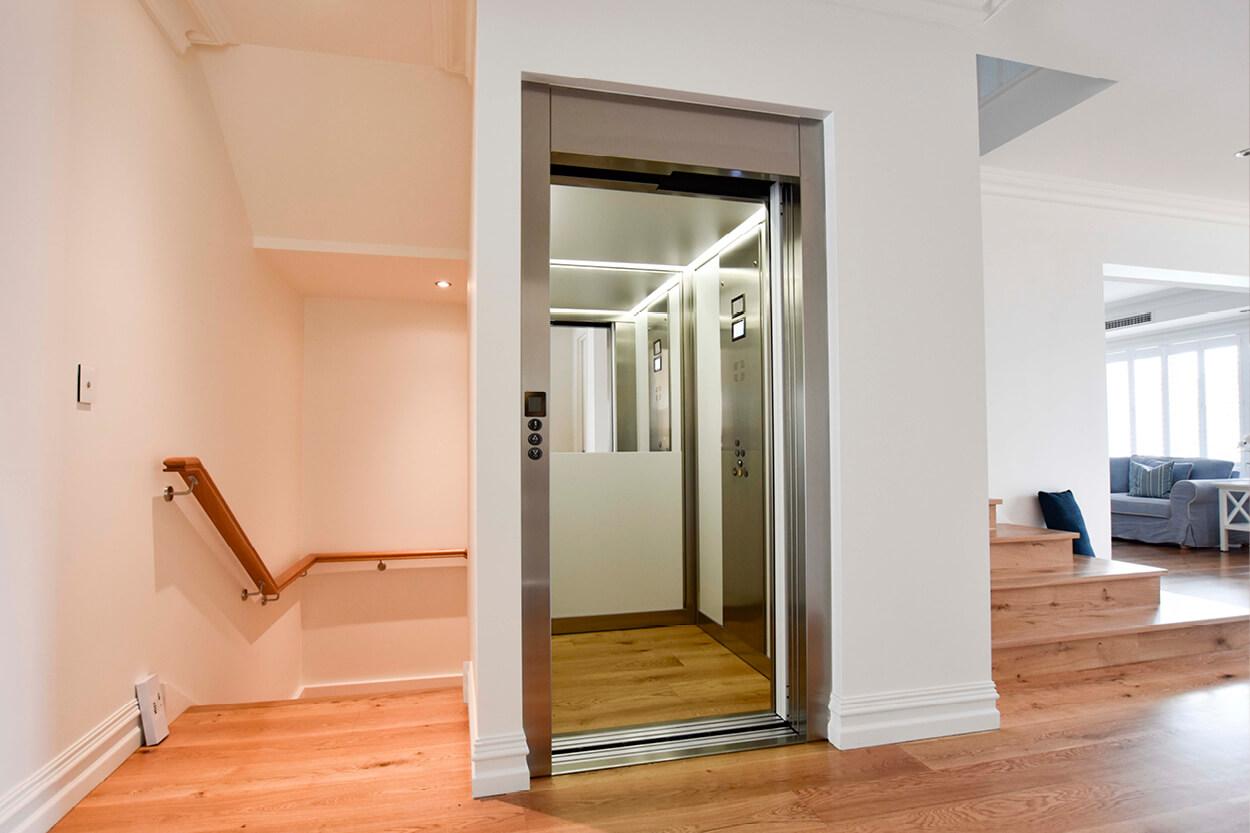
Elevator safety is layered. No single device is responsible for keeping passengers safe; the system relies on mechanical protection, electrical interlocks, door sensors and disciplined maintenance working together.
01
Overspeed governor and safety gear
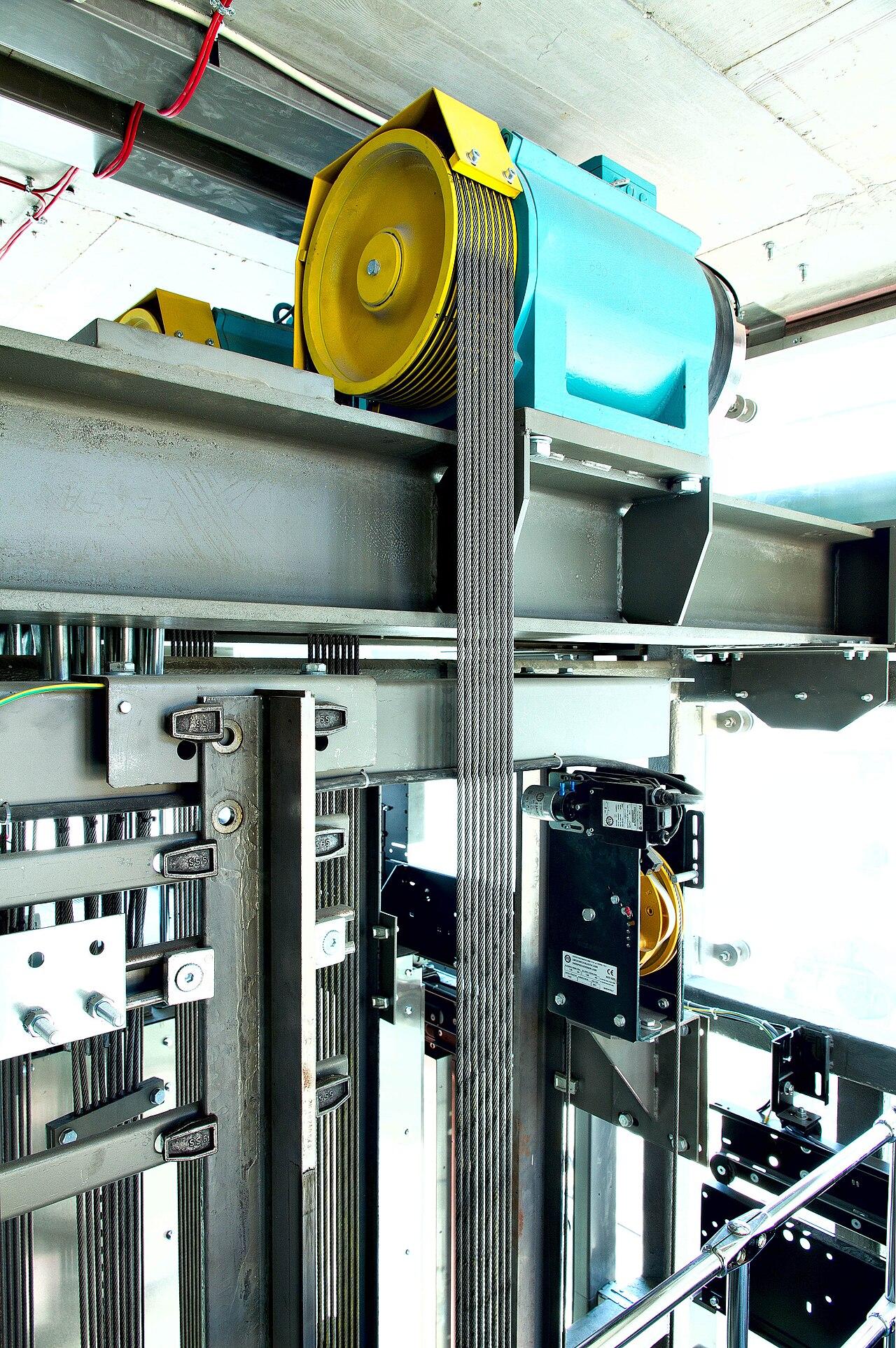
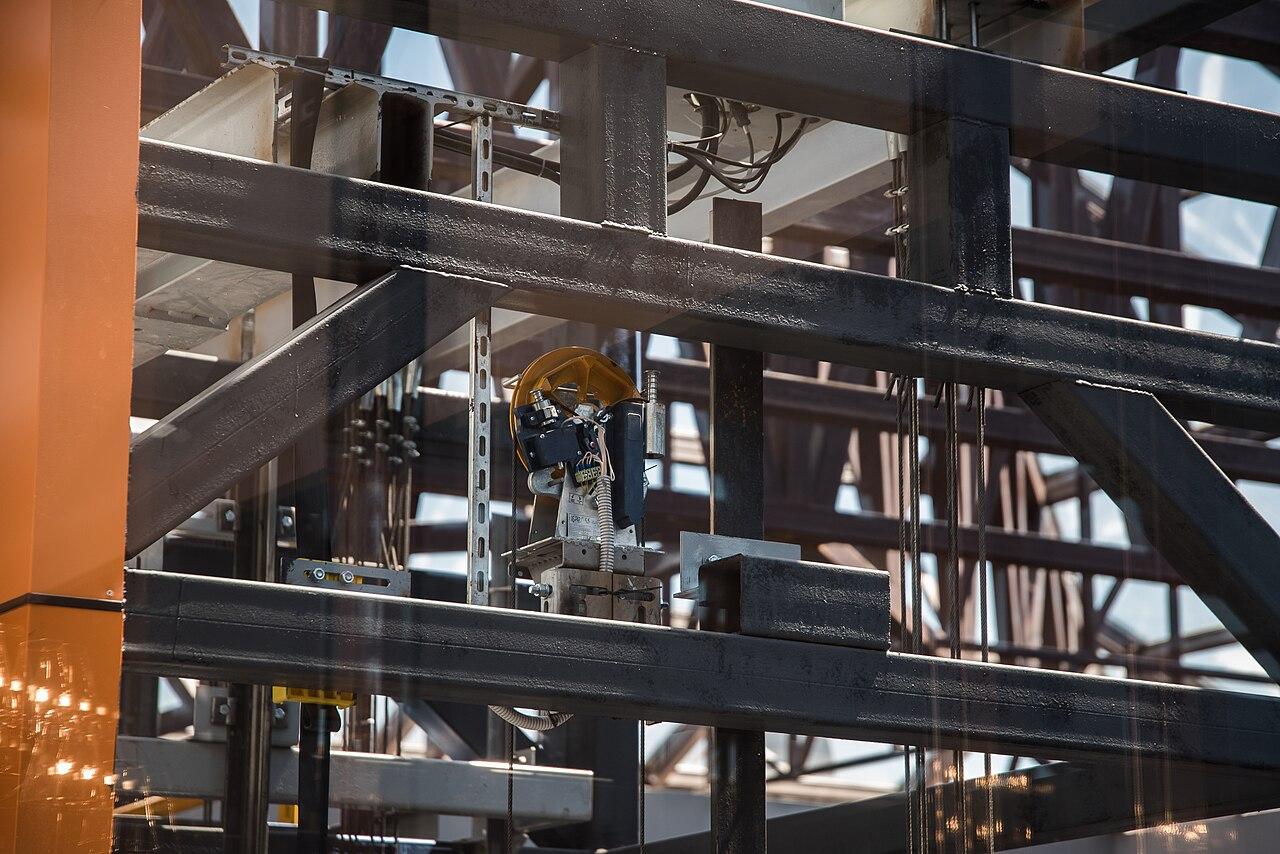
The overspeed governor monitors the car's speed. If the car exceeds its rated speed, the governor trips a mechanism that engages the safety gear, clamping the car to the guide rails.
The governor and safety gear must be tested during maintenance. A visual check is not enough; the linkage, clearances and grip faces need to be inspected and the test recorded.
02
Door interlocks and sensors
A door interlock prevents the car from moving unless the car and landing doors are closed and locked. This is one of the most important protections against falling into an open shaft or being caught between floors.
A full-height infrared light curtain detects obstructions across the doorway and reopens the doors. The reopening force and sensor coverage should be checked, not just the door's ability to close.
03
Emergency lighting, alarm and rescue
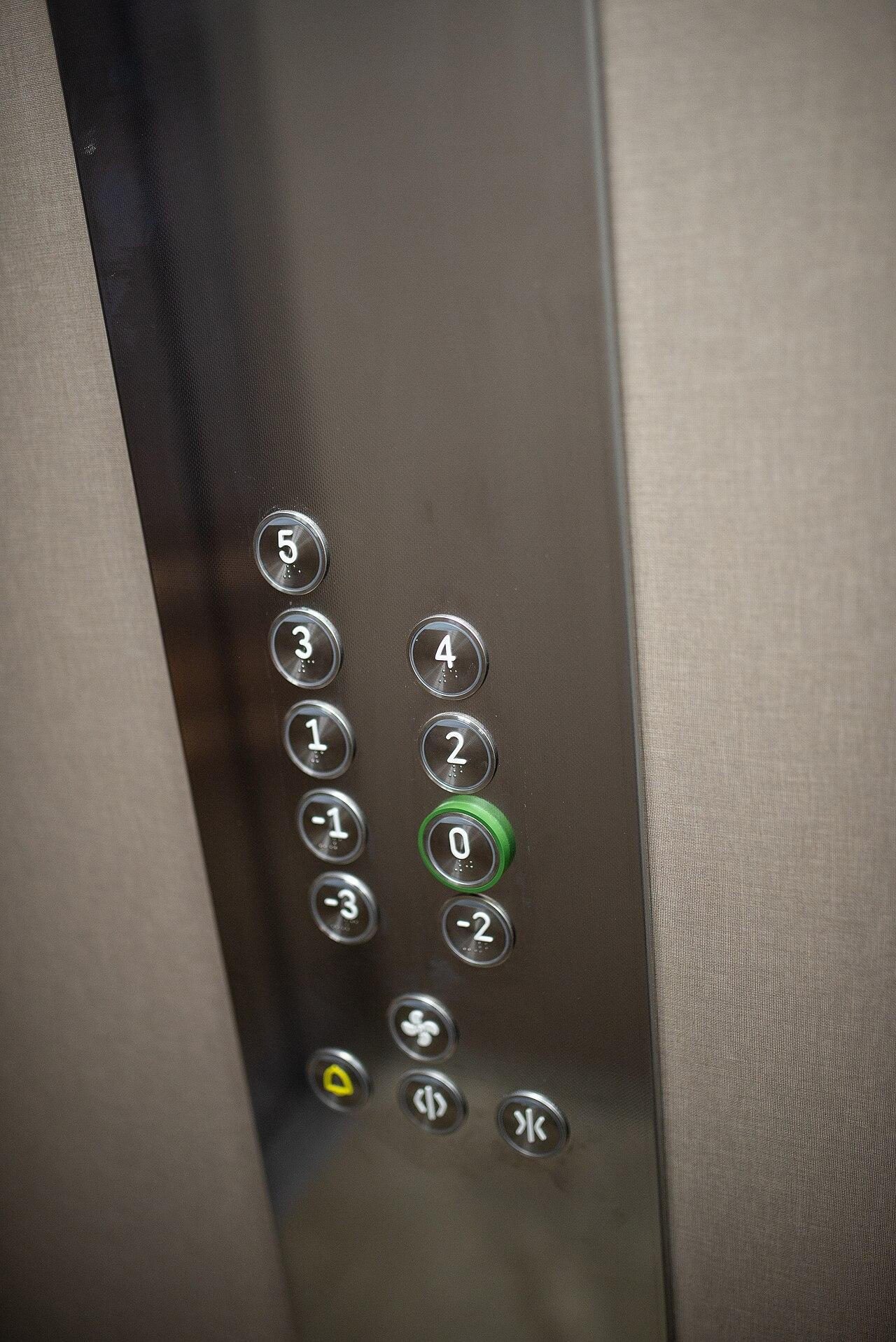
Emergency lighting should remain on if the normal supply fails. A two-way alarm or telephone lets passengers call for help. An automatic rescue device can move the car to the nearest landing and open the doors during a power failure.
Test these systems regularly. A battery that has never been tested is not a reliable emergency system.
04
Why maintenance is a safety feature
Brake wear, rope condition, door alignment, guide shoes, controller faults and safety-circuit bypasses can all undermine the designed protections. Maintenance should find and correct these issues before they cause a failure.
Ask for a service checklist and records. The building should know what was inspected, what was adjusted and what parts were replaced. Safety is not a certificate on the wall; it is the condition of the equipment today.
In short
Key takeaways
- Safety depends on several systems working together.
- Door interlocks and light curtains are daily-life critical.
- Emergency lighting, alarm and ARD need regular testing.
- Maintenance records are part of the safety system.
Further reading
Sources and standards
- Elevator, WikipediaOverview of traction, hydraulic, machine-room-less and safety systems.
- National Building Code of India 2016, Part 8 Section 5AIndian planning and installation requirements for lifts and escalators.
- BIS lift standards listing (IS 14665, IS 14671, IS 15259, IS 15785)Indian Standards for electric traction, hydraulic, home and machine-room-less lifts.
Related pages