Home lifts · 8 min read
How to choose a home lift in Bengaluru
Shaft, drive, doors, finishes and service: the decisions that determine whether a home lift feels effortless or becomes a daily compromise.
Updated November 2026 · Justin Elevators engineering desk
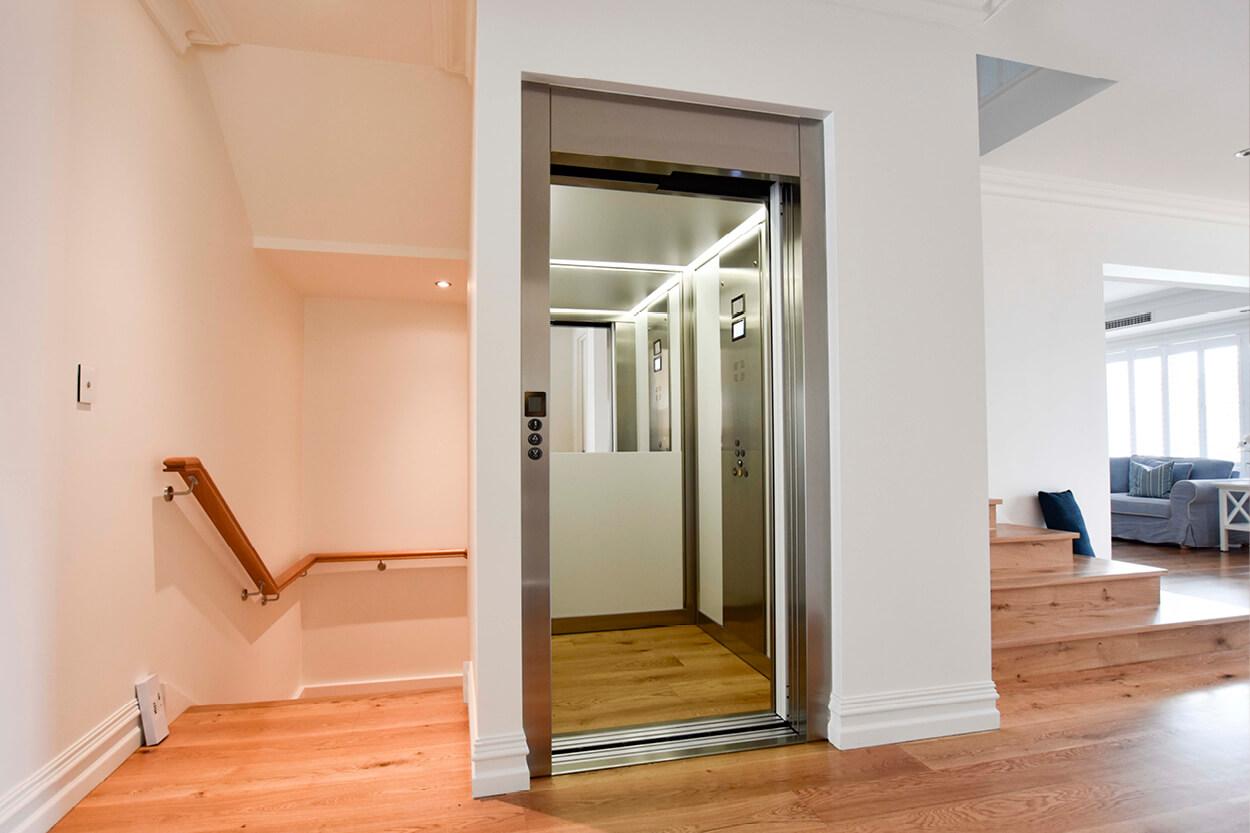
A home lift is a long-term addition to a house. The right choice is not simply the smallest car that fits the staircase; it is the lift that suits the people, the plan and the way the house will be used over the next decade.
01
Start with the house, not the brochure
The shaft location drives everything else. In an existing house, the best options are usually a staircase void, a corner of the plan or an external shaft. Each has a different impact on structure, drainage, headroom and the amount of civil work.
Before comparing cabins, confirm the pit depth, overhead clearance, shaft dimensions and landing space. A lift that looks beautiful in a showroom may not fit the only place the house can accommodate it.
02
Choose the drive around the house
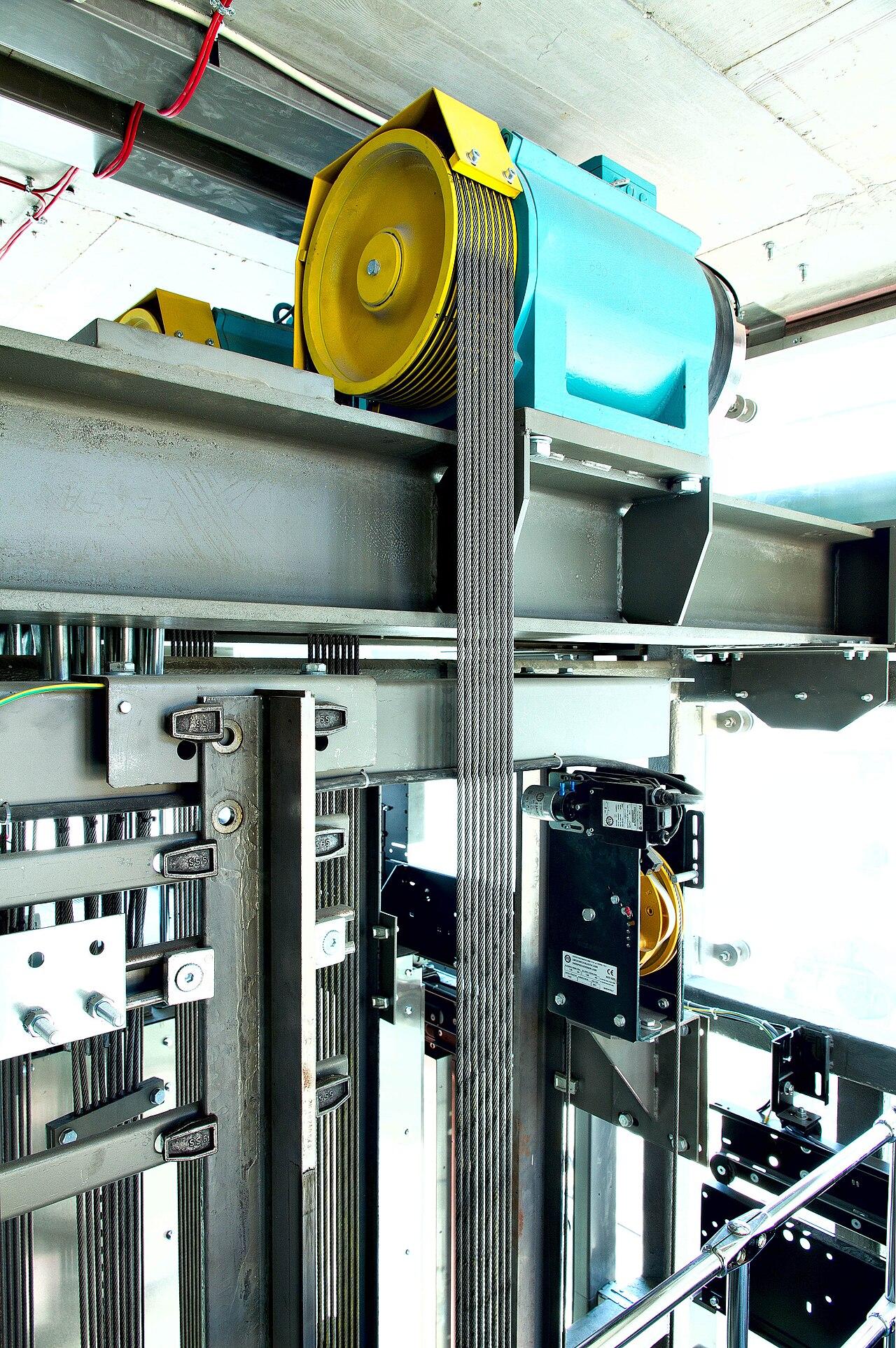
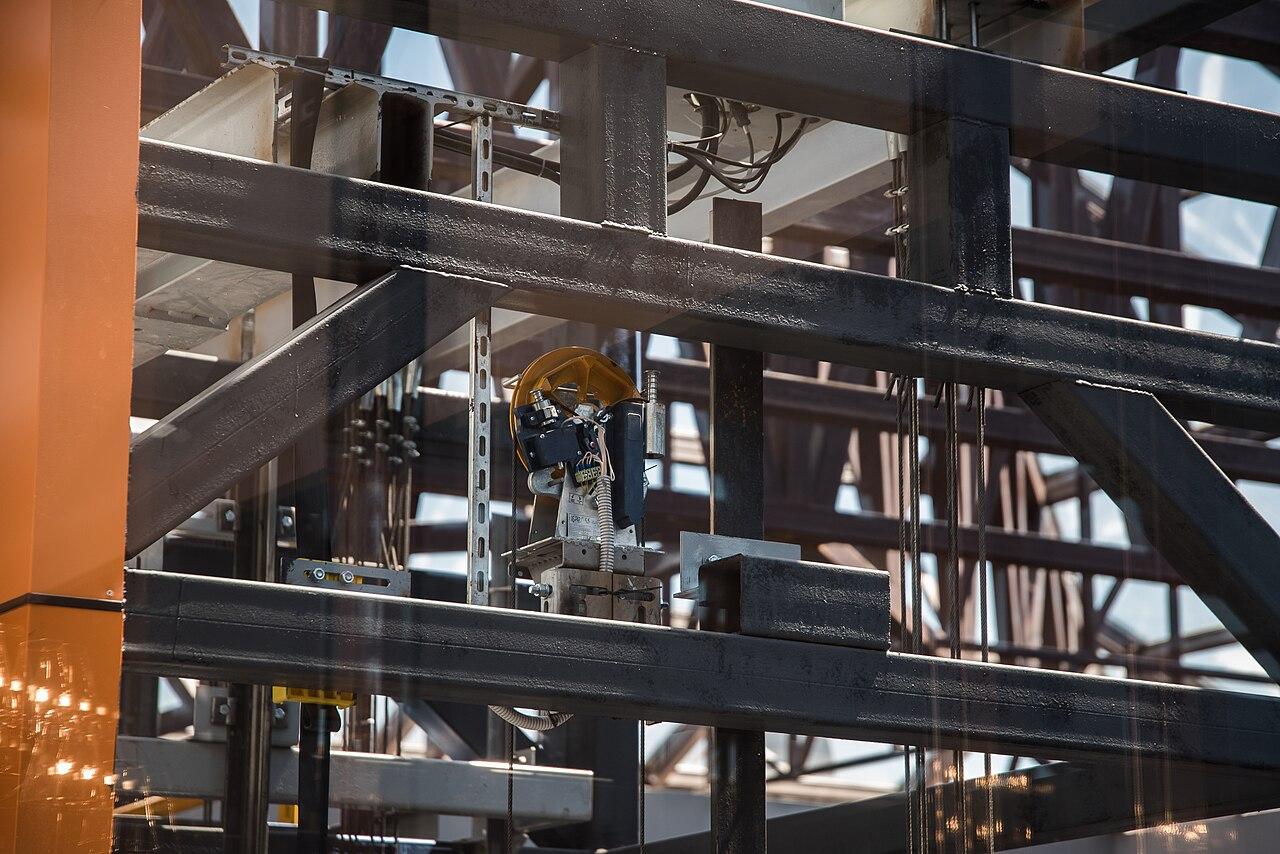
Hydraulic home lifts are common in low-rise houses because they need less overhead space and can fit compact shafts. Traction and MRL home lifts are generally quieter and more efficient in regular use, but they need more headroom and a suitable machine arrangement.
There is no universal winner. Ask for a comparison based on your travel, number of stops, expected daily use, noise sensitivity and maintenance access. A lift for two people using it occasionally is a different proposition from the main access for an elderly parent.
- Number of stops and total travel
- Expected trips per day
- Noise sensitivity and machine location
- Pit and headroom available
- Local service support for the chosen drive
03
Cabin, doors and daily safety
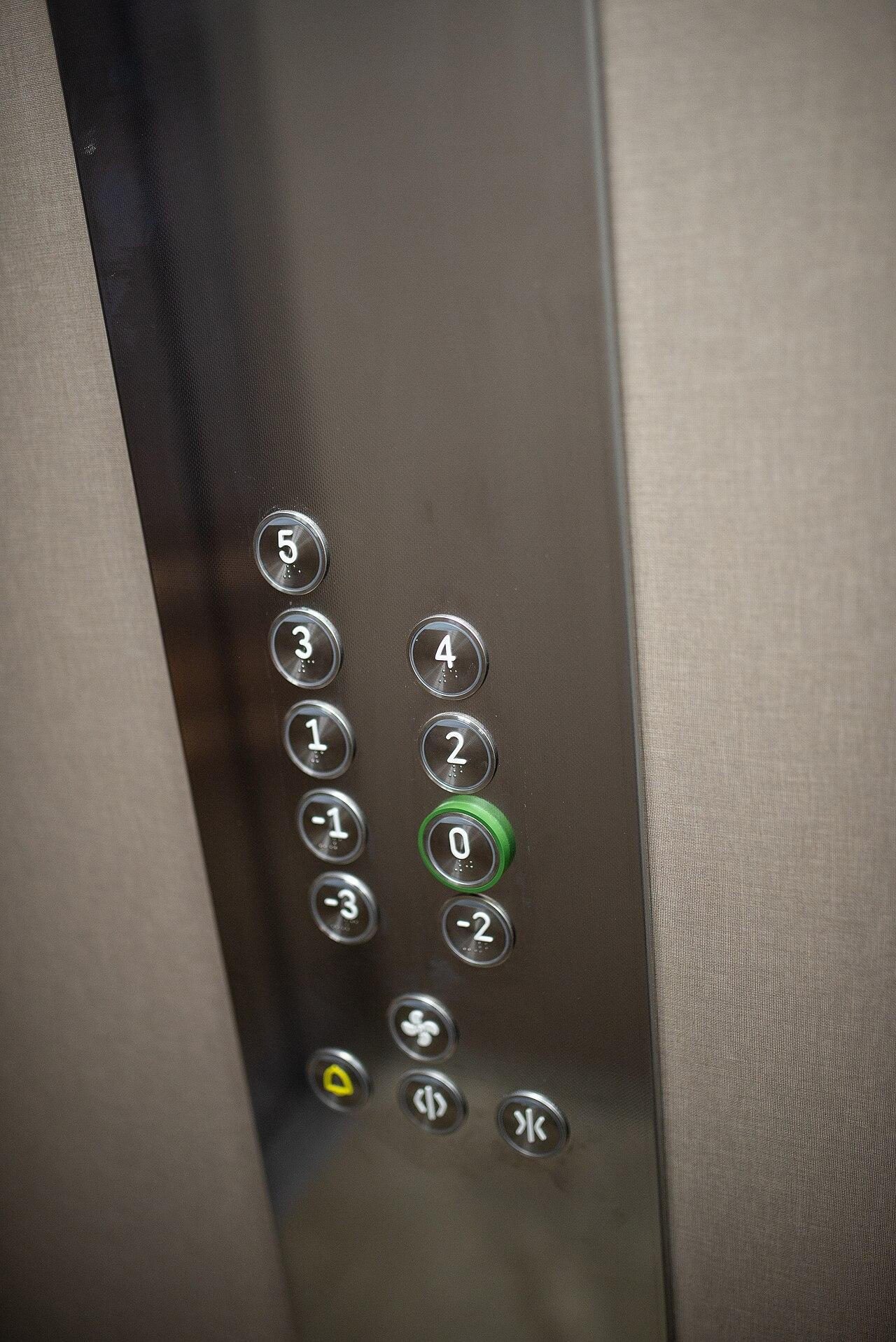
The cabin should be easy to clean and comfortable for children and older adults. Handrails, good lighting, an alarm or telephone and a reliable emergency rescue device matter more than decorative finishes.
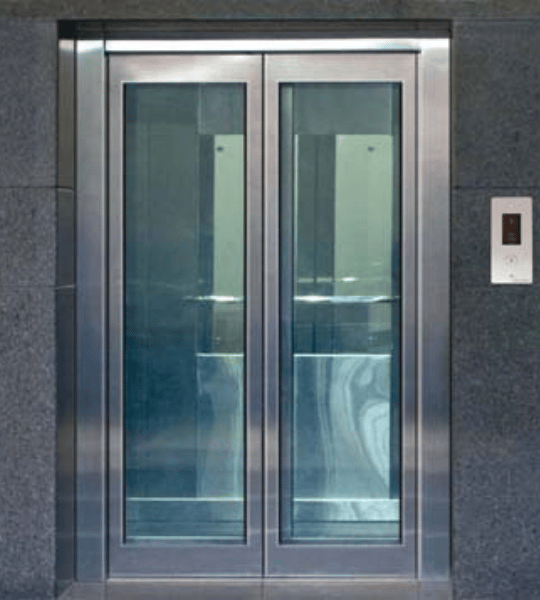
Door choice affects landing space and ease of use. A manual door can reduce cost, but an automatic door is easier for someone with limited mobility. Thresholds should be flush and the floor finish should remain safe when wet.
04
Plan the service before you buy
Ask who will maintain the lift, how quickly they can attend, where spare parts are held and what the AMC includes. A home lift is a mechanical installation; the quality of service determines how reliable it feels after year five.
Keep the machine area accessible and ventilated. Test the alarm, emergency lighting and rescue device regularly, especially if the lift is the primary way an older resident moves between floors.
In short
Key takeaways
- Confirm shaft, pit and headroom before choosing a cabin.
- Match the drive to the house and the people using it.
- Prioritise safety, service access and rescue arrangements.
- Ask for a written AMC scope and local spare-parts support.
Further reading
Sources and standards
- Elevator, WikipediaOverview of traction, hydraulic, machine-room-less and safety systems.
- National Building Code of India 2016, Part 8 Section 5AIndian planning and installation requirements for lifts and escalators.
- BIS lift standards listing (IS 14665, IS 14671, IS 15259, IS 15785)Indian Standards for electric traction, hydraulic, home and machine-room-less lifts.
Related pages