
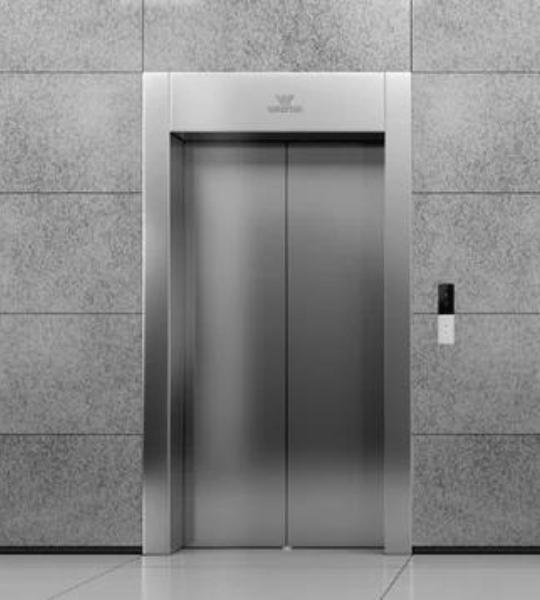
Passenger Elevator
These are the most common types of lifts used in buildings. Passenger lifts come in all sizes as per the weight and size required, ranging between 2 to 20 people.
Read the guideElevator buying guide
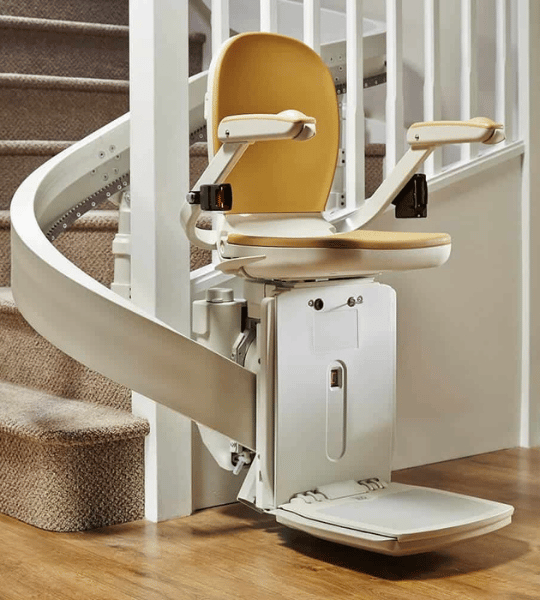
Stairlifts are motorized seating devices installed along staircases to help individuals with mobility challenges navigate between floors safely and comfortably. They provide an affordable, space-efficient accessibility solution for homes and commercial buildings with multiple levels. Stairlifts are ideal for elderly individuals, people with disabilities, or anyone who finds stair climbing difficult.
7 min read · Updated November 2026 · Justin Elevators engineering desk
Typical capacity
1 person, about 120–140 kg
Typical speed
0.1–0.15 m/s
Drive options
Battery-powered rail drive
Typical stops
2 landings
Quick verdict
Existing homes, villas and small buildings with a usable staircase
Choose it if
Think twice if
01
A stairlift is a chair or platform that travels along a rail fixed to the staircase. Most home stairlifts use a battery-powered drive, so they can continue to work during a power failure and can be parked out of the way when not in use.
It is not a substitute for a passenger lift. The user must be able to sit down, fasten the seat belt and transfer safely at the top and bottom. A stairlift is best for a single user or a small number of users with similar needs.
02
A straight stairlift uses a simple rail and is usually faster and less expensive to install. A curved stairlift needs a custom rail that follows landings and turns, which takes longer to survey and manufacture.
Measure the staircase width, headroom, landing space and the position of doors at the top and bottom. A folded stairlift still occupies some space, so check that the hallway remains usable for other people.
03
A stairlift should have a seat belt, swivel seat, pressure-sensitive edges, a key switch, an emergency stop and obstruction detection. Battery-powered units should charge at a parking point at the top or bottom of the stairs.
Confirm the user can operate the controls comfortably and can get in and out without assistance. If the user's mobility changes, a home lift may become the safer long-term choice.
04
Installation is much less disruptive than building a lift shaft, but the rail fixings must be secure and the staircase structure checked. The installer should demonstrate the controls, charging, emergency lowering and daily checks.
Service the battery, rail, rollers, seat and safety edges regularly. Keep the rail clear of dust and obstacles, and do not exceed the rated user weight.
Balance
Advantages
Trade-offs
Before you order
Questions
Most home stairlifts run on batteries that are charged from the mains, so they can complete a trip during a power failure. Confirm the battery condition and charging procedure with the installer.
Sometimes. The folded chair and rail need to leave enough clear width for other users. A site survey will confirm whether the staircase can take a stairlift safely.
A standard seated stairlift requires the user to transfer from the wheelchair. A platform lift or home lift is usually more appropriate for someone who needs to remain in a wheelchair.
A straight stairlift can often be installed in a day. A curved rail must be measured, manufactured and fitted, so it usually takes longer.
Further reading
These references are for general education. Every installation must be designed for the actual building and confirmed against the applicable local lift rules and Indian Standards.
Engineering
01
The powered unit that travels along the rail. Includes the drive motor, gears, and control electronics.
02
Custom-fabricated rail that mounts to the stair treads. Available in straight and curved configurations.
03
Padded, ergonomic seat with folding design. Available in various upholstery options.
04
Simple joystick or push-button controls mounted on the armrest. Includes call/send capability.
05
Rechargeable batteries that power the stairlift. Automatic charging at end stations.
06
2-point or 4-point harness for passenger security during travel.
07
Flip-up foot platform that folds away when not in use to minimize stairway obstruction.
08
Sensors that detect objects or people on the stairs and stop the lift automatically.
Use cases
Private homes and residential properties
Retirement communities and senior living facilities
Assisted living and nursing homes
Churches and community centers
Public buildings requiring accessibility compliance
Multi-level retail stores
Restaurants with multiple floor levels
Any building where stairs present an accessibility barrier
Safety
Related elevators
These are the most common types of lifts used in buildings. Passenger lifts come in all sizes as per the weight and size required, ranging between 2 to 20 people.
Read the guide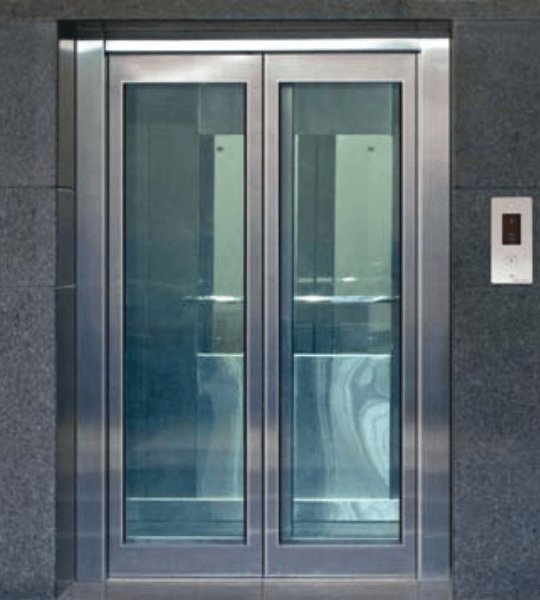
JUSTIN ELEVATORS has been engineered with full automatic doors. Fabricated with the most advanced lift controls, appreciated for high speed, smooth travel, and perfect leveling.
Read the guide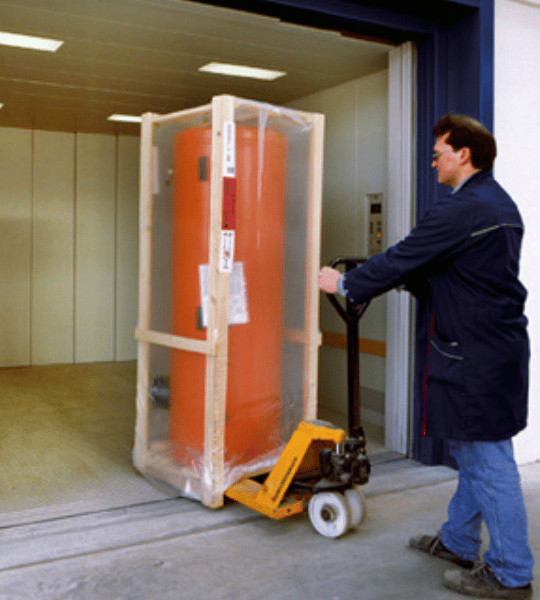
Justin elevators come with a powerful hoisting machine and ensure durability to cope with rough treatment while having a smooth ride to handle fragile loads.
Read the guideNext step
Send us your building details and we will advise on capacity, shaft dimensions, drive system and finishes, with no obligation.