Maintenance · 7 min read
An apartment lift maintenance checklist for associations
A practical monthly and annual checklist for apartment committees managing passenger lifts, AMCs and service records.
Updated November 2026 · Justin Elevators engineering desk
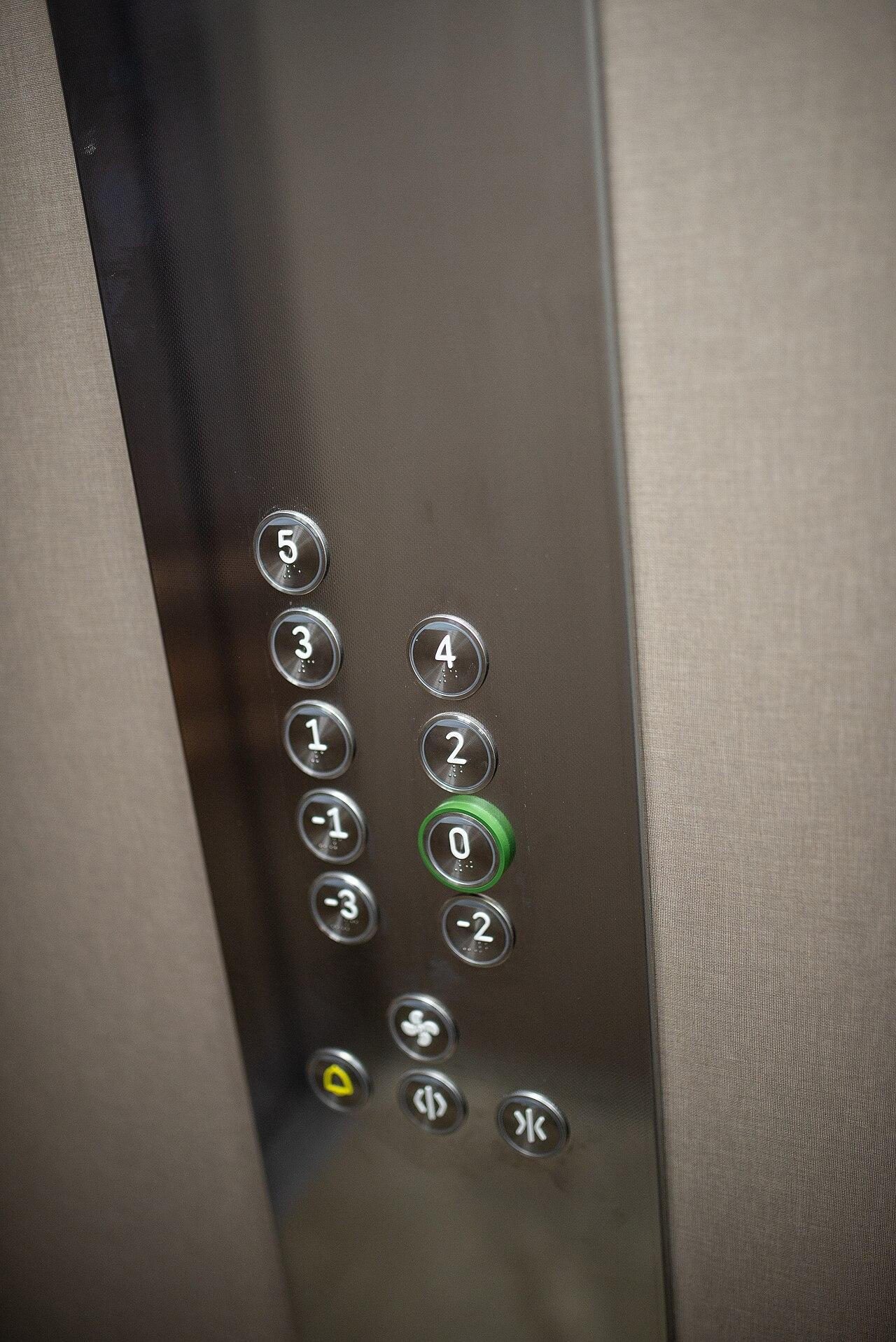
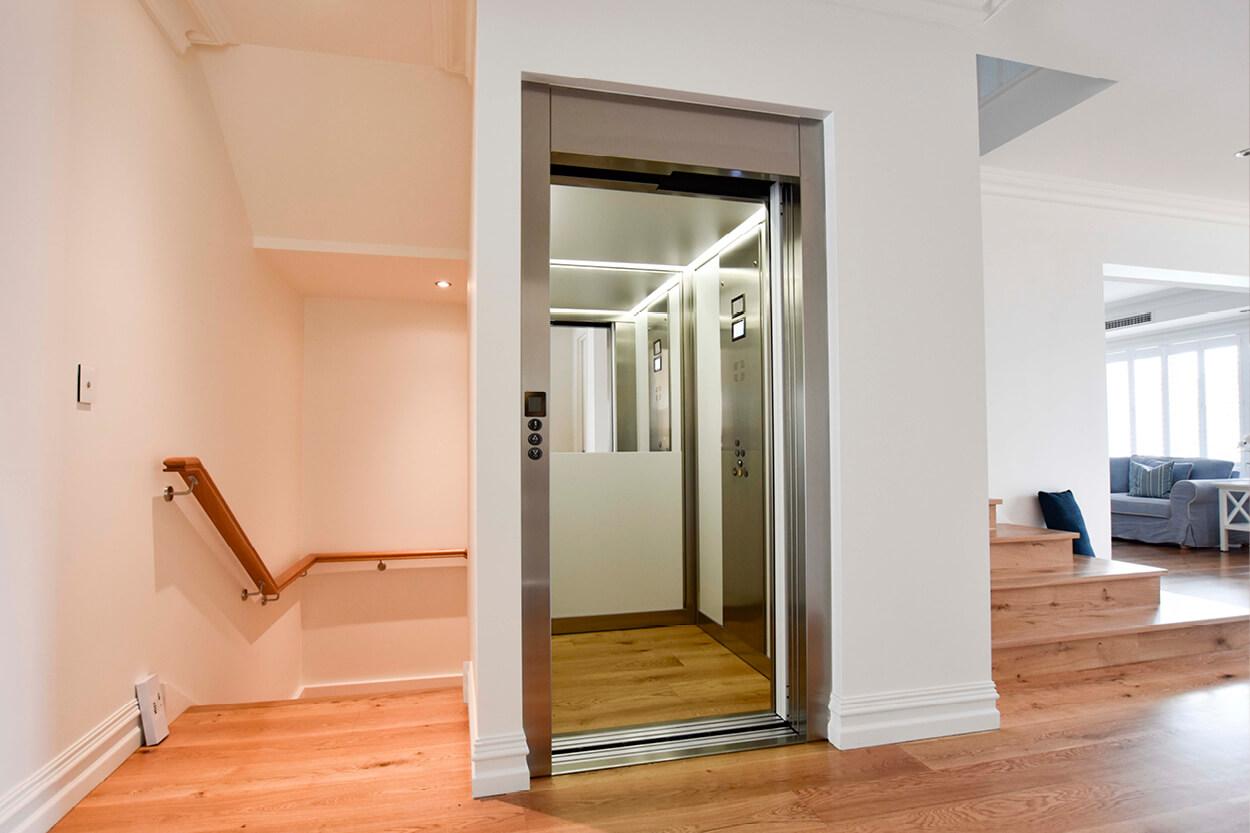
An apartment lift is shared infrastructure. The committee is responsible for keeping it safe, serviceable and transparent to residents, even though the technical work is done by a vendor.
01
What residents can observe each month
Listen for new noises, uneven levelling, door hesitation or a car that seems slower than usual. Check that the alarm and emergency lighting work, and that the landing doors close fully without being forced.
Keep a simple log at the lift or in the society office. A pattern of small faults is easier to fix than a single breakdown that strands residents.
- Unusual noise or vibration
- Door hesitation or repeated reopening
- Uneven floor levelling
- Alarm, light and fan operation
- Any water leakage near the shaft or machine area
02
What the service visit should cover
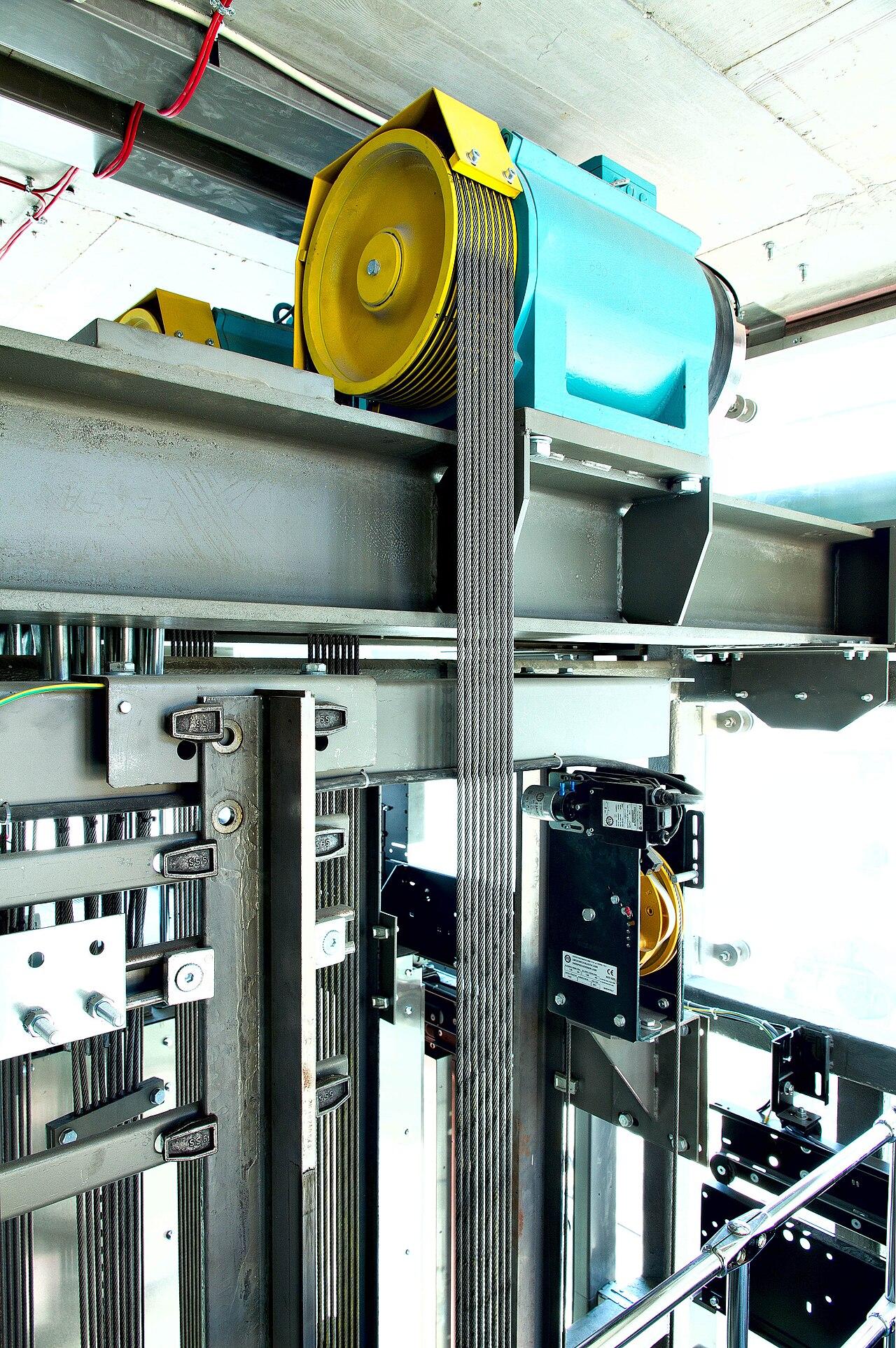
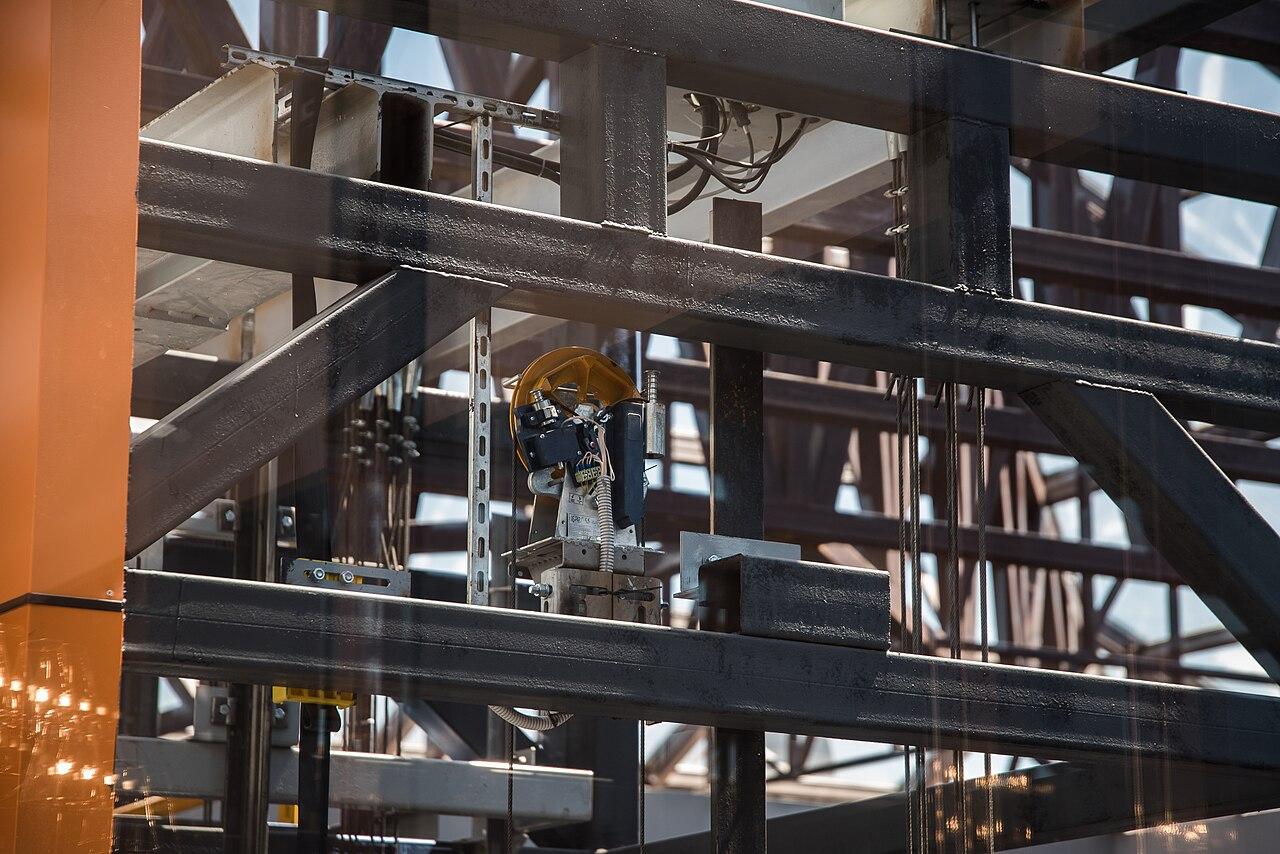
A preventive visit should inspect the machine, brake, ropes or belts, governor, safety gear, door operator, interlocks, guide shoes, controller and emergency systems. It should not be limited to cleaning and resetting faults.
Ask for a service report with observations, parts used and any recommended follow-up. The committee should track whether repeated faults are being investigated or simply reset.
03
Reading the AMC properly
Compare AMC plans on scope, not only price. Confirm the number of visits, breakdown response time, what spare parts are included and what is charged separately. A low annual fee with frequent exclusions is not necessarily good value.
Clarify the emergency response process, the escalation contact and the expected attendance time. For a residential building, a lift out of service for a day can be a serious access problem.
04
Records the association should keep
Keep the installation handover documents, inspection certificates, service reports, safety-gear test records and a log of resident complaints. These records help resolve warranty claims and plan capital replacement.
Review the lift's age and fault history each year. At some point, modernisation or replacement becomes more economical than repeated repairs; the committee should plan for that rather than react to a failure.
In short
Key takeaways
- Keep a simple fault and service log.
- Check the AMC scope, not just the annual price.
- Require written service reports and safety tests.
- Plan for modernisation before breakdowns force it.
Further reading
Sources and standards
- Elevator, WikipediaOverview of traction, hydraulic, machine-room-less and safety systems.
- National Building Code of India 2016, Part 8 Section 5AIndian planning and installation requirements for lifts and escalators.
- BIS lift standards listing (IS 14665, IS 14671, IS 15259, IS 15785)Indian Standards for electric traction, hydraulic, home and machine-room-less lifts.
Related pages