
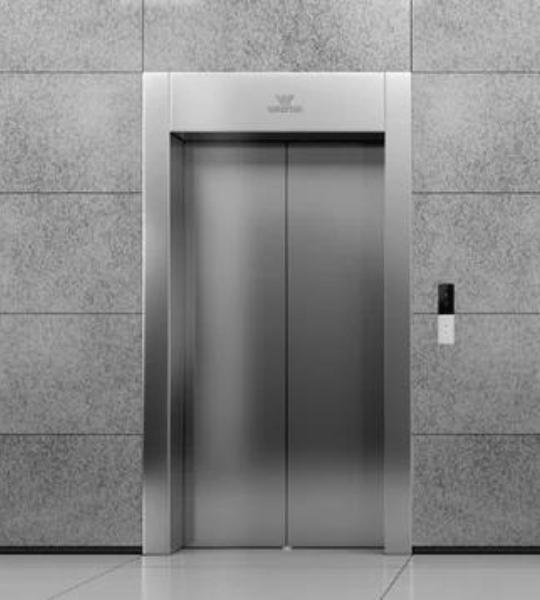
Passenger Elevator
These are the most common types of lifts used in buildings. Passenger lifts come in all sizes as per the weight and size required, ranging between 2 to 20 people.
Read the guideElevator buying guide
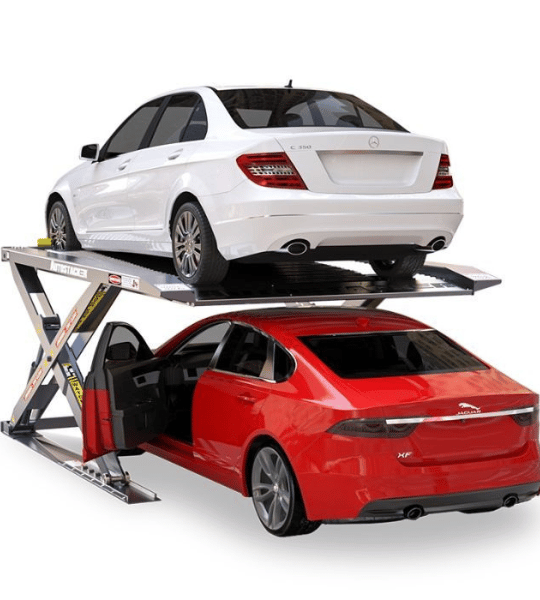
Car stacker parking systems are innovative vertical parking solutions that dramatically increase parking capacity in limited spaces. By stacking vehicles vertically, these systems can double or triple parking capacity compared to traditional flat parking. They are ideal for apartment buildings, commercial complexes, hotels, and any location where parking space is at a premium.
7 min read · Updated November 2026 · Justin Elevators engineering desk
Typical capacity
2,000–2,500 kg per platform
Typical speed
0.1–0.3 m/s
Drive options
Hydraulic
Typical levels
2–3
Quick verdict
Apartment basements, IT parks, hotels and space-constrained parking
Choose it if
Think twice if
01
A car stacker uses a hydraulic platform or pallet to raise one vehicle above another. In a simple two-level system, the lower car may need to move before the upper platform can descend. More complex puzzle systems use sliding pallets to shuffle cars between spaces.
The equipment is a lifting installation, not a conventional elevator. It needs a designed pit, platform guides, hydraulic power, controls and a safe operating procedure for drivers.
02
The critical dimensions are the clear height between platforms, the pit depth, the platform size and the approach space. A large SUV needs more height and platform length than a hatchback. Measure the actual vehicles, including mirrors, roof rails and open doors.
Waterproofing and drainage are essential in basements. If the water table is high, a deep pit can become expensive or impractical. The structural engineer should confirm the slab loads and the pit design.
03
Car stackers need limit switches, anti-fall devices, emergency stop controls, warning signals and clear operating instructions. Photoelectric sensors and platform locks help prevent movement when a person or vehicle is in an unsafe position.
Drivers should be trained. The most common problems are misaligned parking, vehicles left outside the platform limits and unauthorised use. A simple, well-labelled control panel and a strict parking procedure reduce these risks.
04
Hydraulic power units, hoses, valves, platform locks and safety devices need scheduled inspection. Keep the pit clean and dry, and check for oil leaks. The operating manual and emergency lowering procedure should be available on site.
Confirm the local requirements for parking lifts and any permits needed before installation. A car stacker is a fixed mechanical installation, so it should be included in the building's maintenance and safety plan.
Balance
Advantages
Trade-offs
Before you order
Questions
Many systems can, but the platform must be rated for the vehicle's weight and the clear height must suit its height. Confirm with the actual vehicle dimensions, not a general category.
It depends on the system and the number of levels. A two-level stacker typically needs a shallower pit than a multi-level puzzle system. The supplier should provide exact civil requirements.
A hydraulic car stacker should have a safe emergency lowering procedure. Confirm how it works and make sure building staff are trained before the system is used.
Some systems can, but weather protection, drainage and corrosion resistance must be specified. Basement and covered parking are more common.
Further reading
These references are for general education. Every installation must be designed for the actual building and confirmed against the applicable local lift rules and Indian Standards.
Engineering
01
Heavy-duty fabricated steel frame providing the structural support for the parking system. Designed for both indoor and outdoor installation.
02
Steel platform that supports the vehicle during lifting and storage. Includes wheel stops and anti-slip surface.
03
Electric motor and hydraulic pump that powers the lifting mechanism. Includes valves and controls for smooth operation.
04
Heavy-duty cylinders that raise and lower the pallet. Dual-cylinder configurations provide stability.
05
Automatic locking mechanisms that engage when the pallet reaches the upper position, providing fail-safe support.
06
User interface for system operation. Available as key-operated, push-button, RFID, or remote controlled.
07
Presence sensors and obstruction detection devices ensuring safe operation.
08
Vertical guides ensuring the pallet remains level and stable during travel.
Use cases
Apartment and condominium complexes
Commercial office buildings
Hotels and resorts
Shopping malls and retail centers
Valet parking operations
Villas and private residences
IT parks and corporate campuses
Any location with parking space constraints
Safety
Related elevators
These are the most common types of lifts used in buildings. Passenger lifts come in all sizes as per the weight and size required, ranging between 2 to 20 people.
Read the guide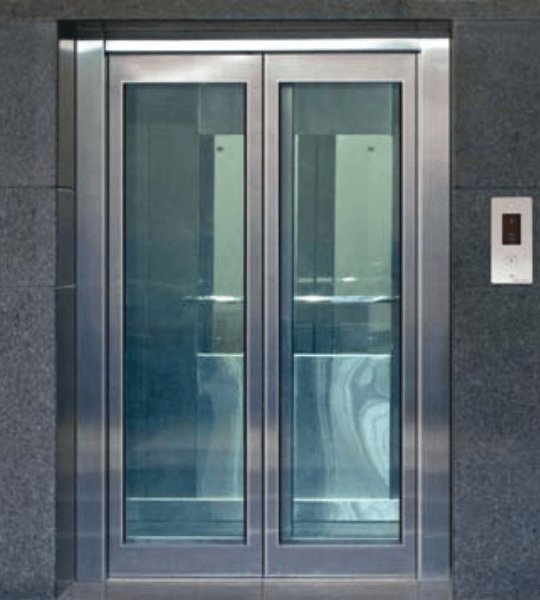
JUSTIN ELEVATORS has been engineered with full automatic doors. Fabricated with the most advanced lift controls, appreciated for high speed, smooth travel, and perfect leveling.
Read the guide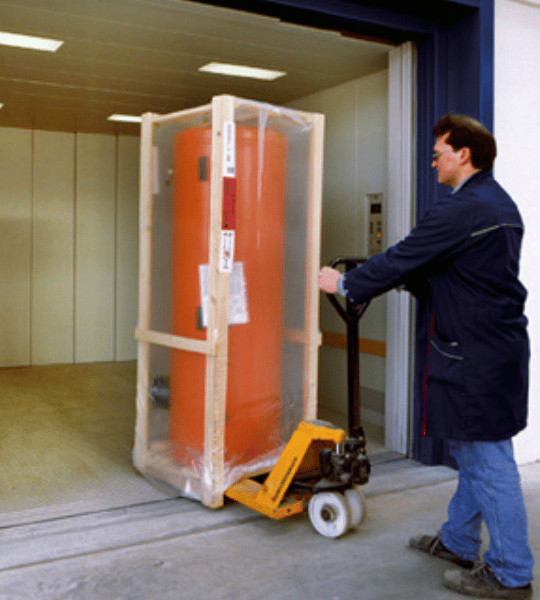
Justin elevators come with a powerful hoisting machine and ensure durability to cope with rough treatment while having a smooth ride to handle fragile loads.
Read the guideNext step
Send us your building details and we will advise on capacity, shaft dimensions, drive system and finishes, with no obligation.